New Colorado laws penalizing counterfeit produce, bear luring take effect in August
Bills aimed at expanding financial aid for farmers and ranchers also take effect Aug. 12

Robert Tann Follow
Robert Tann/Vail Daily
New Colorado laws targeting counterfeit fruits and vegetables, bear luring and farmer and rancher aid take effect on Aug. 12.
Here’s a look at what Western Slope residents should expect.
Colorado produce must be state-grown
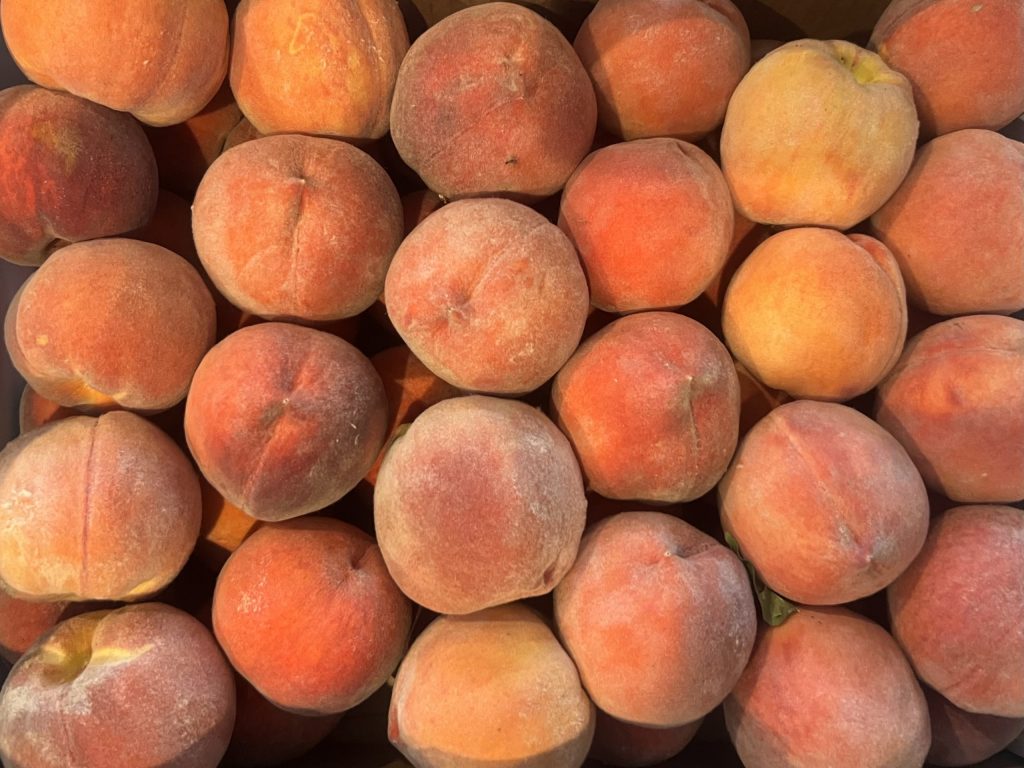
House Bill 1031, which passed the legislature unanimously, makes it a deceptive trade practice to market fruits and vegetables as Colorado-grown if those products were produced in a different state. Violators could face up to $20,000 in fines.
The measure also prohibits sellers from using the “Colorado Proud” logo unless authorized by the state Department of Agriculture.
The bill, led by state Rep. Matt Soper, R-Delta, comes amid what Western Slope producers say is a proliferation of out-of-state products purporting to be from Colorado. Jessica Burford, CEO and president of the Palisade Chamber of Commerce, told lawmakers in February that surveys of peach growers over the past several years have shown a consistent concern over counterfeit fruits.

Support Local Journalism
Soper, during an April signing ceremony for HB 1031, said Colorado produce, particularly from the Western Slope, has “been highlighted as the world’s best,” referencing the 1893 and 1903 World’s Fair, during which the state won top honors for its fruits and vegetables.
“And that’s because of our cool nights and warm days and pure Rocky Mountain snowmelt water,” Soper added. “… We want to protect that.”
$5,000 fine for bear luring
House Bill 1342 lowers the standard of evidence required to charge someone for luring black bears and increases the fine from $2,000 to $5,000 after the second offense.
Under the law, a person can be found guilty for “knowingly placing the food or edible waste in the open in circumstances where there is a reasonable probability of luring a wild bear.”
Reported conflicts between humans and bears have risen 15% over the past six years, according to Colorado Parks and Wildlife, which received 5,229 reported incidents in 2025 alone. Most of these conflicts are related to human food sources and attractants, with trash consistently ranking as the No. 1 cause of conflict between humans and bears, accounting for around 67% of all reports in 2025.
The lead bill sponsor, state Rep. Meghan Lukens, D-Steamboat Springs, said in a statement that the measure is intended to minimize human-bear conflicts “by addressing the human behavior that attracts bears to campsites and outdoor recreation hubs.”
Funding to support farmers and ranchers
Two laws seek to aid farmers and ranchers by expanding financial aid.
House Bill 1067 expands the criteria for livestock owners to be reimbursed by the state when they are forced to sell or kill a herd that has been exposed to a contagious disease.
The measure allows producers to receive payments not just for sold or killed livestock, but also for taking preventive measures against infectious or contagious diseases and biological or chemical contaminants of animals that pose a threat to livestock.
Another measure, Senate Bill 64, expands who can receive Colorado Department of Agriculture loans primarily aimed at farmers, ranchers and small businesses.
The law adds water conservancy, water conservation and water and sanitation districts; irrigation districts; ditch and reservoir companies; and entities certified by the Division of Conservation in the Colorado Department of Regulatory Agencies, to the list of eligible loan recipents.
The law also requires the Agriculture Department to adopt rules that will prioritize and expand state loans for farmers and ranchers to use loans to purchase and protect at-risk farmland.
“Colorado farmers and ranchers power our economy,” said state Sen. Dylan Roberts, D-Frisco, in a statement. Roberts sponsored both HB 1067 and SB 64, as well as the bill regulating counterfeit produce.
“By cracking down on counterfeit out-of-state produce, preventing the spread of livestock disease, and prioritizing startup funds for the next generation of farmers and ranchers, we’re stepping up to ensure our agricultural producers remain the best in the nation for generations to come,” he said.