Colorado lawmakers admit making unintended changes to passenger traction law for two-wheel-drive vehicles, causing ‘confusion’
Colorado State Patrol says it will only ticket drivers of two-wheel-drive vehicles if they lack both snow tires and a traction device when the passenger vehicle traction law is in effect

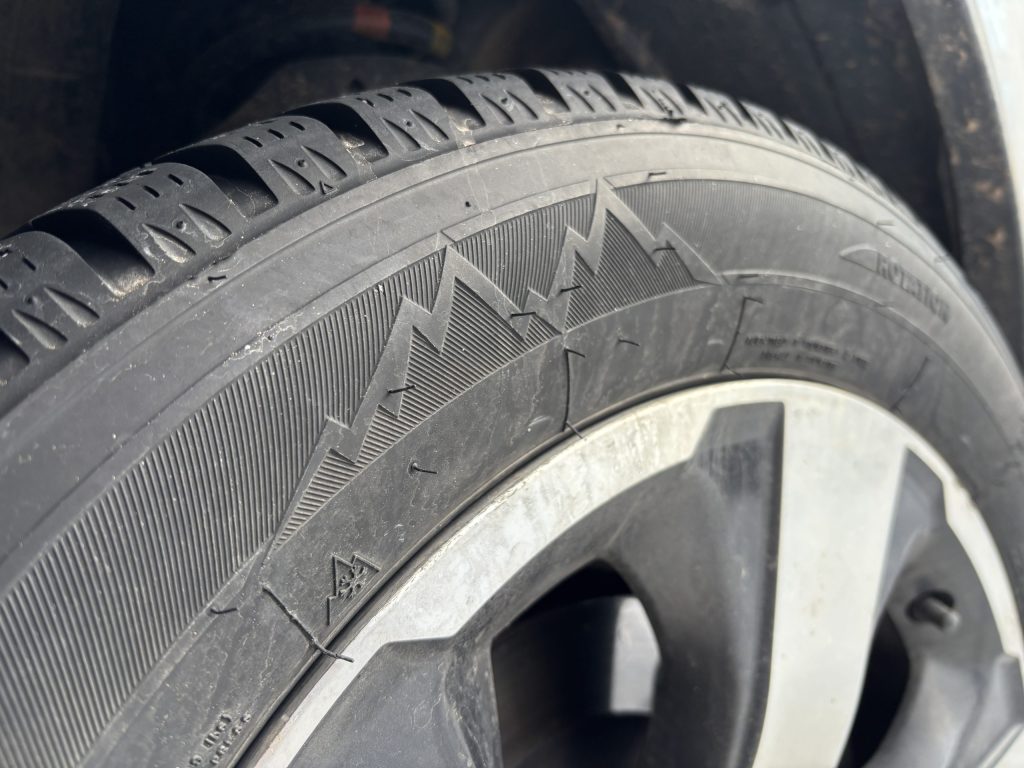
Ryan Spencer/Summit Daily News
Colorado State Patrol and legislators are providing clarity on the state’s passenger vehicle traction law after recognizing that accidental changes were made to requirements for two-wheel-drive vehicles.
State Sen. Dylan Roberts (D-Frisco) and Reps. Elizabeth Velasco (D-Glenwood Springs) and Meghan Lukens (D-Steamboat), who sponsored Senate Bill 69, said in a joint statement that the bill did not intend to change how the law treats two-wheel-drive vehicles.
“We recognize that the current statutory language has caused some confusion, and it is highly likely that the State Legislature will clarify this language in the upcoming session,” the legislators’ statement said.
Updates to passenger vehicle traction law
Signed into law on May 15, Senate Bill 69 made multiple changes to Colorado’s laws around driving on mountain roadways, such as the Interstate 70 mountain corridor, during the winter months.
Among the changes was an update to what is known as the passenger vehicle traction law, the section of the state statute that pertains to sedans, SUVs, minivans and pickup trucks, rather than commercial vehicles, like semitrailer.

Support Local Journalism
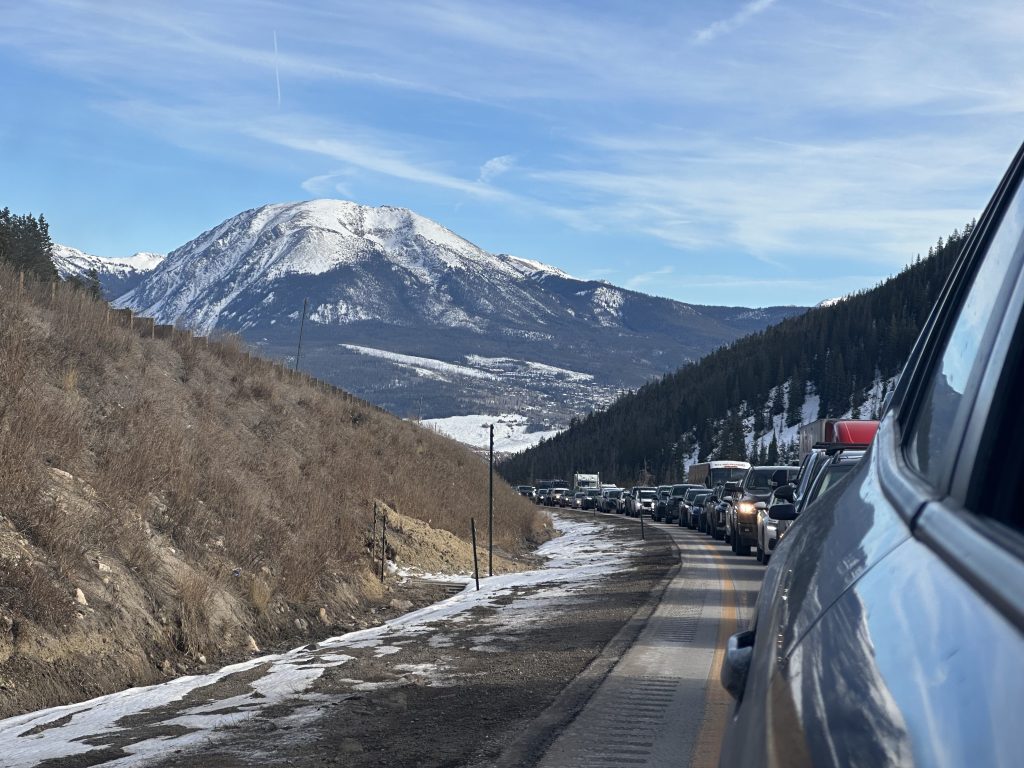
Under the passenger vehicle traction law, the Colorado Department of Transportation can restrict travel on mountain roads when they are snowy or icy if vehicles do not meet minimum traction requirements. During these times, CDOT will announce that the passenger vehicle traction law is in effect via variable message boards along mountain highways and on the state’s interactive map available at COTrip.org.
The updates aimed to close what Roberts described this spring as a “loophole” in the previous version of the passenger vehicle traction law, which had allowed four- and all-wheel-drive vehicles to comply by using tires with a tread depth of only three-sixteenths of an inch.
The bill intended to require all passenger vehicles — including those that are two-wheel drive, four-wheel drive and all-wheel drive — to have snow or mud-and-snow tires with an adequate tread depth, according to the lawmakers who sponsored it.
“The spirit of (Senate Bill 69) was to ensure that every vehicle traveling on I-70 and other mountain roads has adequate traction, specifically, snow or mud-and-snow tires with sufficient tread depth,” the legislators said.
However, as the updated state statute reads, only four-wheel- and all-wheel-drive vehicles are compliant with the passenger vehicle traction law when equipped with snow or mud-and-snow tires. While the statute makes no direct reference to two-wheel-drive vehicles, it requires that all vehicles not equipped with four- or all-wheel drive have chains or an alternate traction device when conditions warrant.
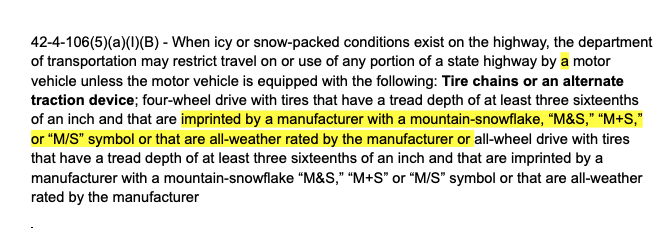
While the bill’s “original goal” of requiring all vehicles, including two-wheel-drive vehicles, to have snow tires, “is not enforceable this year as written, we expect it will be corrected for future seasons,” the lawmakers said in their statement.
“Our priority is keeping I-70 and Colorado’s mountain roads open and safe. Colorado already has some of the most robust traction laws in the country, and we are continuing to refine them,” the legislators said. “While proper tires can be expensive, repairs or the complete loss of a vehicle in a crash cost far more. Maintaining safe, passable roads is essential to both public safety and our mountain economy.
State Sen. Marc Catlin (R-Montrose), who also sponsored the bill, did not respond to an email request for comment sent Tuesday morning.
How will Colorado State Patrol enforce passenger vehicle chain law this winter?
The Colorado State Patrol, in a news release last month, stated it interpreted the new law to require all two-wheel vehicles to have chains or a traction device anytime the traction law is in effect due to icy or snow-packed roads.
However, the State Patrol this week said it will consider two-wheel-drive vehicles compliant with the passenger vehicle traction law if they have snow tires with the required tread depth. If a two-wheel-drive vehicle does not have snow tires, it will still be required to have a traction device on when traction law is in effect.
Colorado State Patrol Director of Strategic Communications Wendy Forbes said drivers of two-wheel vehicles will receive a ticket for violating the passenger vehicle traction law only if they lack both snow tires and a traction device on their tires.
Forbes said that while the law does not explicitly require two-wheel-drive vehicles to have snow tires, the State Patrol still recommends that drivers install them. That way, their vehicle will be considered compliant with the passenger vehicle traction law when it is in effect and drivers will not have to put chains on to continue driving on icy or snow-packed roads.
“It’s unfortunate that these things happen in the legislative process, but the reality is everyone wants the same outcome, which is to keep roads open and to keep people safe,” Forbes said. “If we’re all working to that end, we’ll make the right choices along the way. I understand equipment is expensive, but so is repairing a vehicle.”
Passenger vehicle traction law vs. passenger vehicle chain law
The Colorado Department of Transportation also clarified this week that the passenger vehicle traction law differs from the passenger vehicle chain law.
Under the passenger vehicle chain law, all drivers on Colorado mountain roads could be required to put chains or a traction device on, regardless of the vehicle’s drivetrain or whether it has snow tires.
CDOT public information officer Andrew Hogle said that activation of the passenger vehicle chain law is “exceedingly rare.” Hogle said the passenger vehicle chain law, which is authorized under rules adopted by the state transportation commission in 1996, has not been enacted since the bomb cyclone event in March 2019.
“This measure is reserved for much more severe conditions than a normal winter storm would present,” Hogle said. “Obviously we can’t predict the future, but given recent history (and the meager snowfall thus far this season) it seems highly unlikely that CDOT would need to enact the (passenger vehicle chain law) this winter.”