West Eagle Affordable Housing Project eyes undeveloped site in the heart of the community
Project’s design team floats development concept during work session with county commissioners

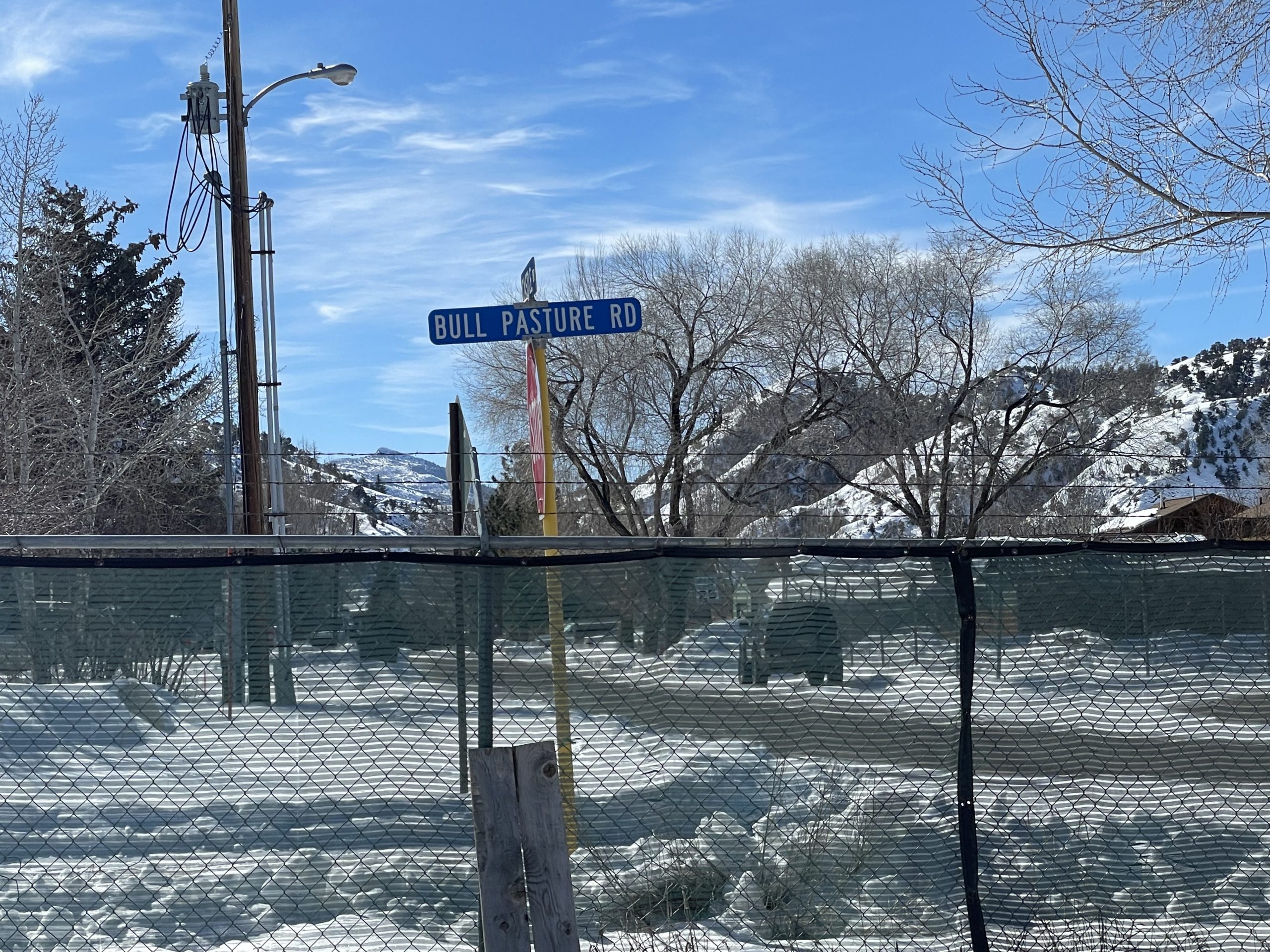
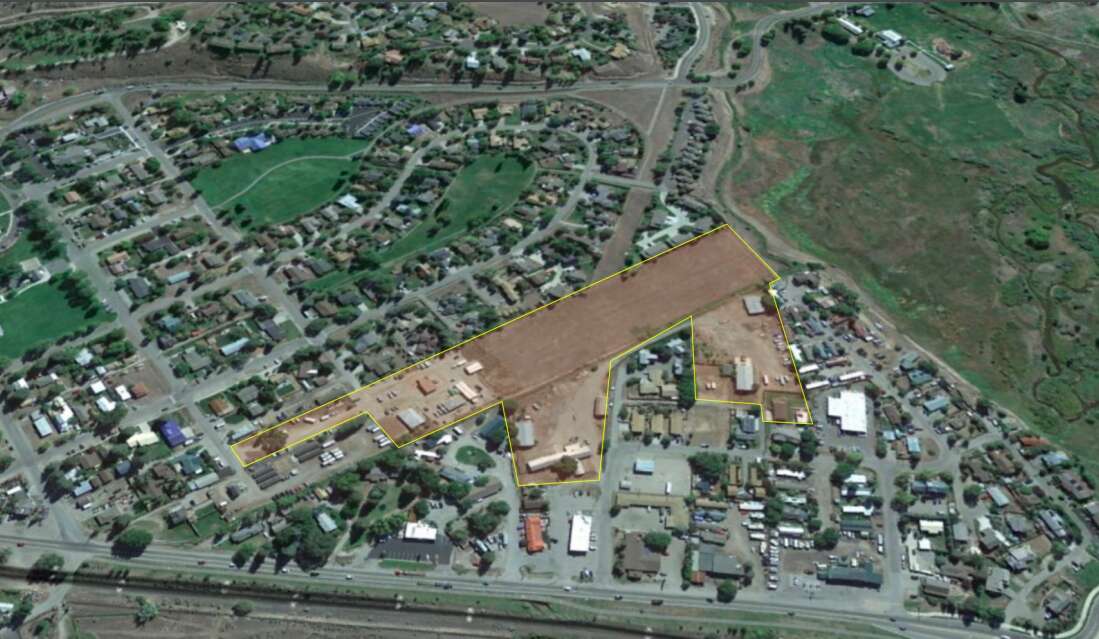
During its 117-year history, the town of Eagle has expanded every direction possible except through a roughly 9-acre pasture located in the very core of the community.
That’s poised to change.
The West Eagle Affordable Housing Project is still in the conceptual stage, but a partnership between the town and Eagle County envisions up to 114 units at the pasture site that formerly belonged to the U.S. Forest Service. The parcel is part of the larger West Eagle property — a section of the community that was the subject of a sub area master plan originally written in 2011 and amended in 2021. Plans for the larger area include up to 156 dwelling units and construction of the long-anticipated Brush Creek access road — a street that will connect West Eagle to the Brush Creek Valley near the entrance to the Eagle Ranch Subdivision.
Development of the former Forest Service property has its challenges, including the extension of utilities to the site. Those expenses have long thwarted plans for the property, but the local housing shortage may finally push the development forward. According to Eagle County Resiliency Director Tori Franks, the county sent out a request for proposals to develop the property back in 2021. When that RFP failed to generate a viable resource, the county regrouped and opted to shepherd the project through the early development process. The current timeline anticipates launching the town’s public hearings process this spring with the goal of beginning construction in 2023.
On Monday, representatives from the West Eagle Affordable Housing design team discussed the plan with the Eagle County Board of Commissioners to get input regarding density, community character and sustainability issues.

Support Local Journalism
For sale or rental
The workforce units planned for West Eagle would be deed-restricted and price-capped to between 80% and 140% of the average median income. Unit sizes generally range between 800 square feet and 1,000 square feet. The plan includes stacked condo/apartment units, townhomes and duplexes. Franks noted that the majority of the units are envisioned as for-sale properties, but the design team is open to the idea of having some rental units in the project.
Gary Brooks, a member of the county’s housing task force, noted that up to 400 new rental units have been inducted as part of other projects proposed in western Eagle County.
“I would say the for-sale product is more needed,” he said.
Kim Bell Williams, director of the Eagle County Housing Department, concurred. She noted that in the past, Eagle County had a waitlist of 100 to 150 names — people who had qualified for purchase of median-priced properties.
“We are nearly at 600 names right now, so we know the need for the for sale properties is more than we have ever had,” she said.
The commissioners noted that the West Eagle plan includes a variety of housing types — a formula that found success at the Miller Ranch project in Edwards.
“This is exciting. It is such a good opportunity to have partners with the town of Eagle,” said Commissioner Kathy Chandler-Henry.
That said, Chandler-Henry noted the West Eagle plan represents big changes for the community — particularly for neighboring property owners who have always lived next to open pastures.
“What is the plan to involve the community?” Chandler-Henry asked. “It is difficult when it goes from something theoretical to digging up what is an open pasture. I think we can expect some opposition from people who don’t want that in there.”
Franks noted the West Eagle team plans an outreach effort to project neighbors, as well as people affected by the Brush Creek access road and a connection from Seventh Street. Additionally, she noted, the hearing process for the plan will include presentations before both the Eagle Planning and Zoning Commission and the Eagle Town Board. During those hearings, members of the public will have many opportunities to comment on the plan, Franks said.
Sustainability
One of the bedrock components of the West Eagle proposal is sustainability in design, construction and livability. Its location, within walking distance of town amenities and accessible to bus stops and other services, is one way that goal can be addressed, noted members of the design team.
“It is an infill development right in between neighborhoods,” noted Eagle County Sustainable Communities Department Environmental Manager John Gitchell.
The project will be planned to meet green certification standards, noted Stephen Eckert of Caddis Collaborative, one of the design team members. “In looking at green certifications, there are a number of them out there,” he noted. Eckert said there are 20 to 30 different certification programs, and the design team has identified the five more logical programs to consider.
Commissioner Matt Scherr noted that sustainability goals are critical for West Eagle.
“Our priorities there are not aspirational. They are essential,” he said. As the design team works on its sustainability efforts, he urged members to reach out to various utility providers to make sure all the entities are on the same page early on with the development.
“This is the first development scale like this since Miller Ranch,” Scherr said. “It’s really a chance to get advanced with development scale sustainability.”
Between the sustainability goals, density proposals, infrastructure needs, road construction and other issues, Franks noted there are several big pieces to work out for the West Eagle puzzle.
“It is feeling like there is some synergy for the project, so I am hopeful,” she said. “Change is hard, but I hope that once people see what we are trying to do, some of that nervousness will go away.”