Eagle River Coalition: Monitoring water quality in the Eagle River Valley

Rose Sandell Follow
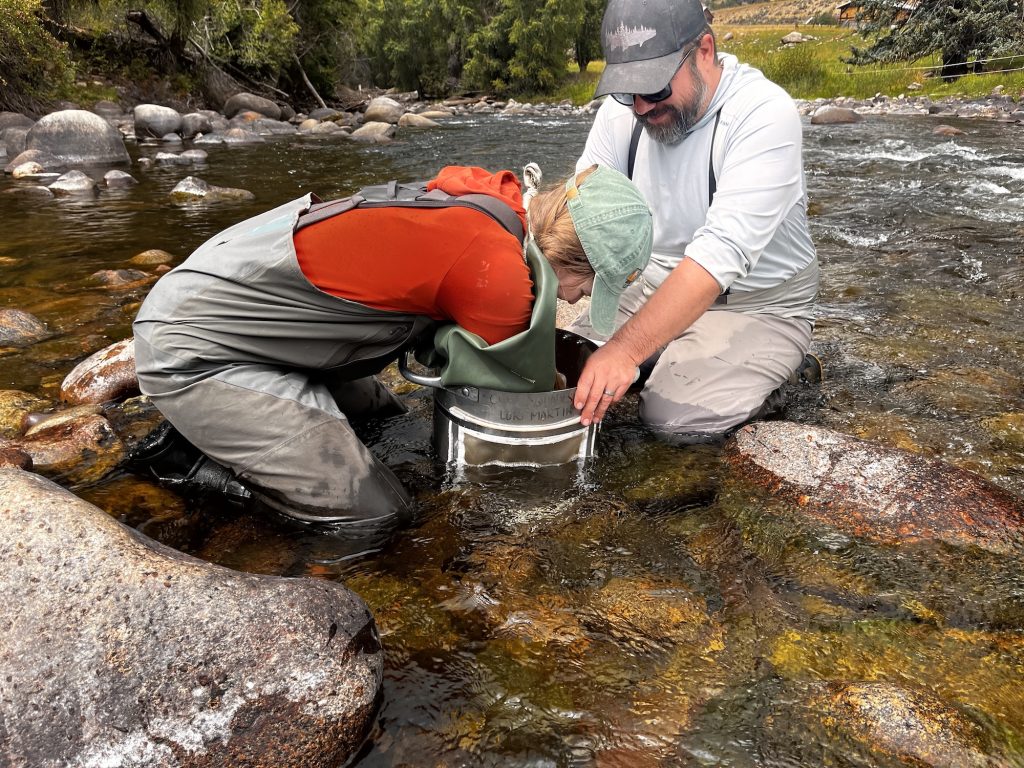
Did you know that devastating mine pollution in the 1980s led to the creation of an organization that manages a data clearinghouse that today analyzes more than 5,000 data points and supports community decision-making to protect water quality throughout Eagle County?
After operations at the Eagle Mine shut down in 1984, the underground works below Gilman slowly filled with polluted water and began discharging heavy metals into the river. Cadmium, copper, arsenic and zinc entered the Eagle, killing and impacting aquatic life from Minturn to Avon.
In 1986, the Environmental Protection Agency added the site to its Superfund program and large-scale cleanup efforts began in earnest by 1988. The catastrophic spills impacted the Eagle River from several miles upstream of Minturn all the way to the confluence with the Colorado River (and further). You can compare the Eagle Mine Spill to the 2014 Gold King Mine spill that turned the Animas River an uncanny orange. The pollution triggered increased community concern for water quality in the entire Eagle River Watershed.
It is worth mentioning that the Eagle Mine had been negatively impacting water quality before the major spills in 1988-89, but the shocking visual experience of the waterway flowing orange finally drew significant attention.
In 1996, the first iteration of the Eagle River Watershed Plan was adopted by Eagle County after a three-year public process with over 100 local citizens working with municipal and county staff. The plan recommended the establishment of a citizens group to implement and monitor water quality improvement actions. The plan also highlighted other local issues, including uncoordinated monitoring and funding, and a lack of public information and education.

Support Local Journalism
Because rivers flow downstream, water quality in the Eagle River Valley is monitored and impacted by multiple municipalities, water providers, metro districts, state and federal agencies, and the Colorado Department of Transportation. This complexity makes a central, valley-wide entity essential to manage and coordinate efforts effectively.
Several groups, including the Eagle River Business Alliance, the Black Gore Creek Steering Committee, the White River National Forest Association, and community volunteers who had organized the annual Eagle River Cleanup and the Community Pride Highway Cleanup, formed the initial committee system from which Eagle River Watershed Council emerged. Among other tasks, it would serve as a central discourse body, providing a forum where stakeholders could come together to understand data and coordinate projects to mitigate past, present and future threats to water quality.
Since 1998, the Water Quality Monitoring and Assessment Program has enabled widespread data collection and analysis in the Eagle River Watershed. It is a long-term monitoring and reporting program that serves as a central hub for information sharing among local communities. Acting as a watchdog for watershed health, it provides insight into the impacts of urban growth and helps guide Clean Water Act protections, land-use planning and local permitting decisions.
The program’s expenses amount to more than $150,000 annually, relying on support from a range of partners, including all local municipalities, water providers like Eagle River Water and Sanitation District/Upper Eagle Regional Water Authority Eagle County, Vail Resorts, Climax Molybdenum, and the Homestake Partners of Aurora and Colorado Springs. Additional matches from Eagle County and (potentially shrinking or disappearing) federal pools round that program out. Funding directly supports long-term monitoring sites managed by the U.S. Geological Survey, as well as data collection, analysis and reporting directly by ERC.
While we are no longer dealing with the immediate aftermath of a devastating mine spill, local rivers still see the impact of humans on their health. Today, the main threats to water quality result from continually increasing urbanization and development in the valley, with polluted runoff from urban surfaces and loss of protective riparian vegetation buffers driving negative impacts to both the Eagle and major tributaries. Water quantity is also a concern, as decreased flows intensify the effects of pollution, raise stream temperatures and endanger local ecosystems, fisheries and overall river health.
As Eagle County continues to grow, understanding, preventing and mitigating threats to local rivers is crucial for healthy communities and a healthy environment. Monitoring programs like the Water Quality Monitoring and Assessment Program provide the foundation for protecting water resources by giving local leaders the data they need to make informed decisions. Ultimately, we all share responsibility for understanding and minimizing our impact on the Eagle River Watershed.
From its inception, the Eagle River Coalition has been a science-based organization, focused on water quality and promoting healthy watersheds. To explore publicly available the Water Quality Monitoring and Assessment Program data, please visit EagleRiverCO.org/monitor.
Rose Sandell is the community engagement manager for the Eagle River Coalition. When not working, you will find Rose out on her bike or hanging out with her dog Archie. The Eagle River Coalition has a mission to advocate for the health of the Upper Colorado and Eagle River basins through research, education and projects. Contact the Eagle River Coalition at (970) 827-5406 or visit EagleRiverCO.org