Betty Ford Alpine Gardens hosts paleontologist Tyler Lyson
Lyson's lecture will cover the change of life from either side of the mass extinction of dinosaurs

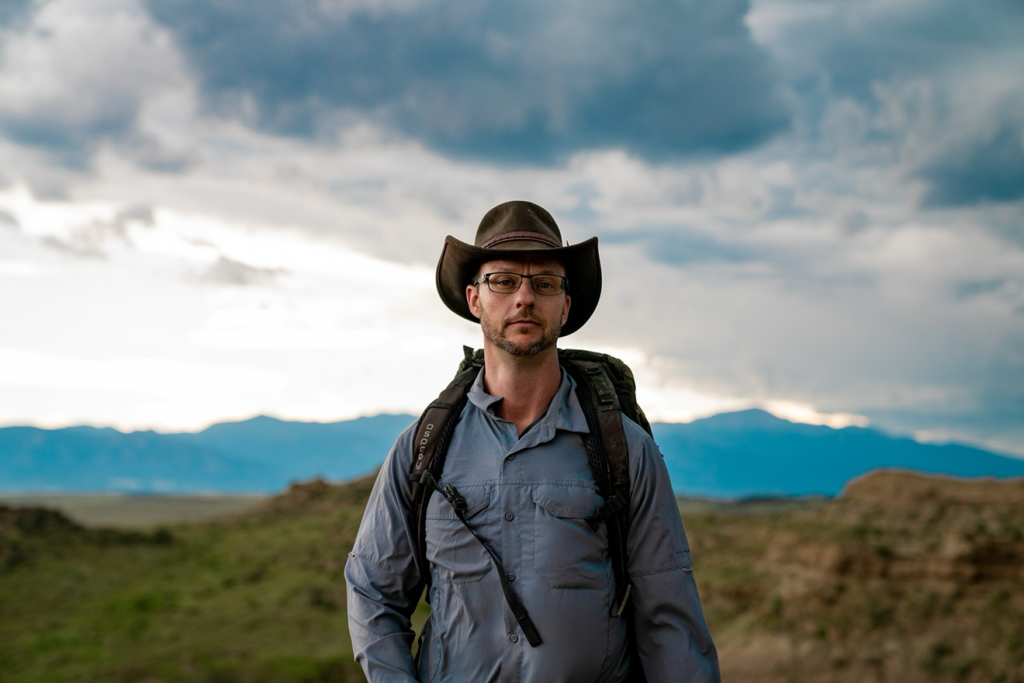
Courtesy Photo
Dr. Tyler Lyson was fated to become a paleontologist when he began hunting for dinosaurs in elementary school and conducting fieldwork in middle school. This early passion — and subsequent discoveries — led Lyson down a path of studying vertebrate paleontology as well as the rise and evolution of mammals.
On Friday, June 14, Lyson will be at the Betty Ford Alpine Gardens Visitor and Education Center to discuss discoveries found in Colorado’s rocks — on either side of the mass extinction of dinosaurs.
What: From the Ashes of Dinosaurs: Dinosaur Extinction and the Rise of Modern Birds and Mammals with Tyler Lyson
Where: Betty Ford Alpine Gardens Visitor Center (522 South Frontage Road East, Vail)
When: Friday, June 14 from 4 p.m. to 6 p.m.
Cost: $20
To learn more or register, visit BettyFordAlpineGardens.org
Lyson grew up in Marmoth, North Dakota, close to the fossil-rich Hell Creek formation. In these rocks, as a teenager, he discovered “Dakota,” an Edmontosaurus with preserved and petrified soft tissue and skin. Following his early discoveries, Lyson went on to earn his bachelor’s degree from Swarthmore College and his PhD from Yale University. Today, he works for the Denver Museum of Nature and Science as the associate curator of vertebrate paleontology. Lyson has been with the museum since 2014, joining after a postdoctoral position at the Smithsonian Institution.
Throughout his career, Lyson’s fieldwork has taken him across the American West. He currently has active sites in North Dakota, Montana and Colorado.
Much of his research and work has been centered on the extinction of the dinosaurs 66 million years ago, the rise of placental mammals, and the evolutionary origin of various reptiles, particularly turtles.

Support Local Journalism
Lyson’s work in the Hell Creek Formation was highlighted in the PBS documentary, “Making North America” and his quest to discover why mammals became predominant after the extinction of the dinosaurs was the subject of the PBS Nova series film, “Rise of the Mammals.” The latter recounts the discoveries made by the Denver Museum of Nature and Science at the Cretaceous-Paleogene boundary at Corral Bluffs, Colorado. This location holds a record of the extinction of most dinosaurs (excluding birds, which descended from dinosaurs) and of the rise and early evolution of mammals.
Tickets for Friday’s event on dinosaur extinction and the rise of modern birds and mammals are $20 and are available at BettyFordAlpineGardens.org.