Colorado’s avalanche professionals are gearing up for winter — and anyone planning to get out in the backcountry should be too
The Colorado Snow and Avalanche Workshop covered topics from innovations in technology to the latest avalanche research

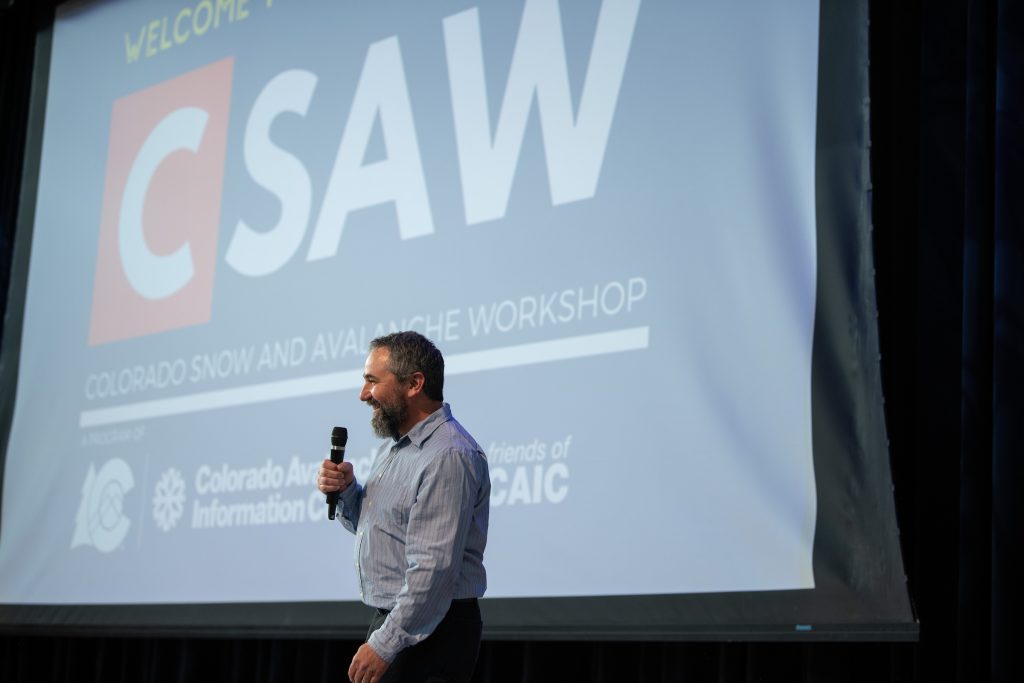
William A. Cotton Photography/Colorado Snow and Avalanche Workshop
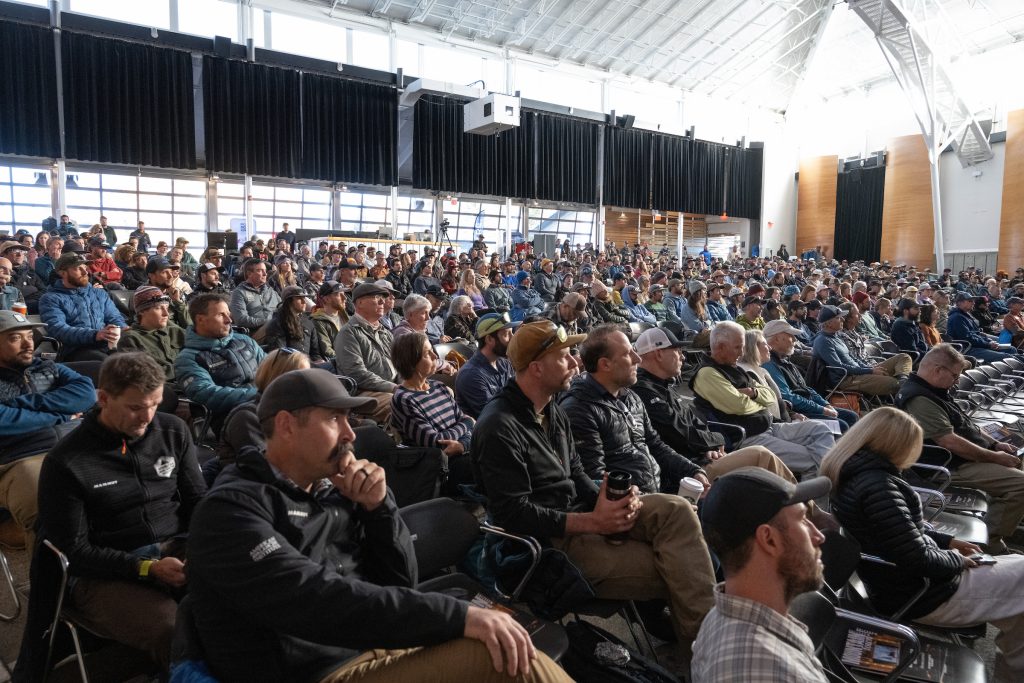
Colorado avalanche professionals and backcountry enthusiasts gathered in Breckenridge this past weekend to talk shop ahead of the 2026-27 season.
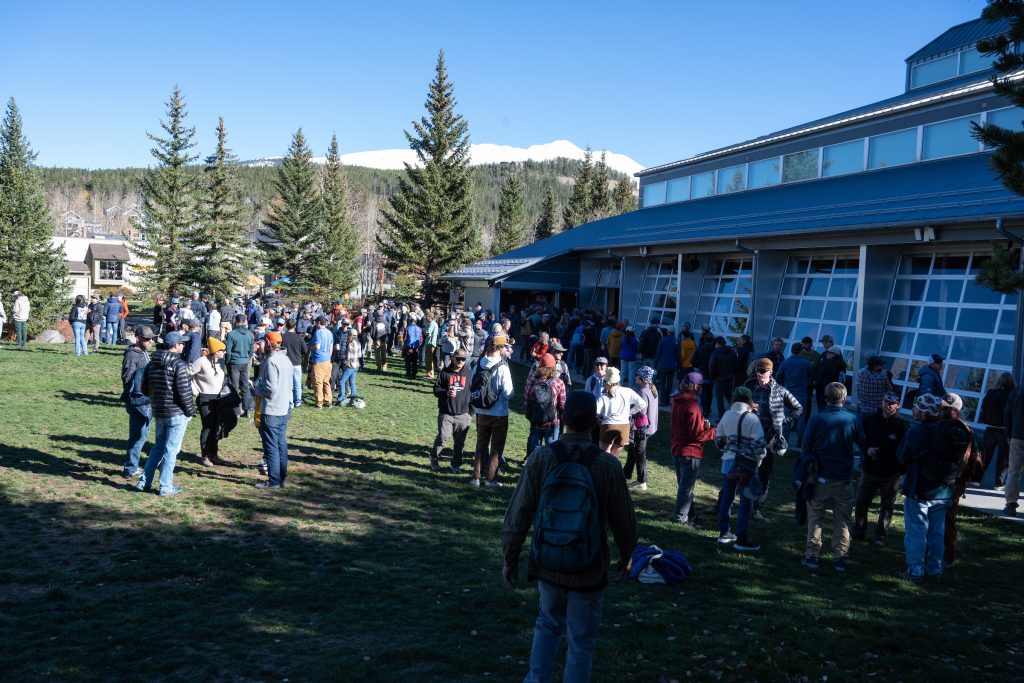
A dusting of snow lingered on the peaks Friday, Oct. 16, as more than 500 people turned out to the 25th annual Colorado Snow and Avalanche Workshop, hosted by the Colorado Avalanche Information Center and its nonprofit partner, Friends of the Colorado Avalanche Information Center.
“It has become kind of a pivotal point in the winter season,” said Colorado Avalanche Information Center Director Ethan Greene, who emceed the event. “A lot of folks either just finished their fall training for ski patrol or a guide service — or they’re about to have it. So this event, it’s sort of a gateway to winter for us.”
The Colorado Snow and Avalanche Workshop, or CSAW, began a quarter century ago as a way to bring together avalanche professionals working across the state. Today, the annual event draws industry professionals from across the West — and is also open to outdoor enthusiasts looking to deepen their understanding of avalanches and best practices for wintertime backcountry navigation.
The avalanche industry community is a “small group of people, but they cover a wide array of professions in Colorado,” Greene said. It includes ski resort employees like patrollers and avalanche technicians, who mitigate avalanche risk before resorts open to the public, as well as backcountry ski and snowmobile guides, search and rescue teams, university researchers, forecasters at state and federal agencies and more.

Support Local Journalism
The workshop included technical presentations, like talks from a U.S. Geological Survey scientist developing a digital tool to more objectively estimate the avalanche size and from a Montana State University Ph.D. student who authored a paper on how snow stability changes after a weak layer collapse.
Benjamin Merkle, a Copper Mountain ski patroller, also presented his research on whether “to probe or not to probe” in professional rescue scenarios where someone is buried in a shallow avalanche.
Merkle’s study found that professional rescuers saved about 39 seconds when they did not use a probe to find a target buried under the snow during a fine search, or the phase where an avalanche transceiver has already pinpointed the target’s rough location under the snow.
These findings could have practical applications for ski patrollers, but he said that it doesn’t have much to offer for recreational backcountry travelers — who are likely to encounter more complex avalanche scenarios than patrollers working inbounds at a resort.
“Obviously, there’s a lot of consequences when we talk about changing the way we rescue,” Merkle said. “And you want really good data to back that up.”
Presentations also touched on how avalanche technology has evolved across industries.
Two members of the Summit County Search and Rescue Group presented a case study for how drones — or unmanned aircraft systems — have been used in avalanche rescue scenarios in the backcountry.
The Colorado Department of Transportation also presented on how its operations has evolved over the decades to keep traffic flowing through the mountains during the winter months, when avalanches can cascade onto highways.
“There are a little over 500 avalanche paths that affect highways in Colorado — and anytime you’re building highways in the mountains, this is something you have to face,” said CDOT Avalanche Program Manager Mike Cooperstein, who presented at the event.
Cooperstein described how CDOT has transitioned from the use of historic avalanche mitigation techniques, such as use of World War II artillery, to technologies that can be deployed remotely in the early hours of the morning to cause minimal disruptions to traffic.
“A lot of people traveling around the roads in Colorado have no clue that there’s avalanche paths above them,” Cooperstein said. “So it’s pretty different from the backcountry where people are choosing to go into avalanche paths and make decisions.”
Other talks on group dynamics and “human” side of backcountry travel in avalanche territory may have had more applicability to recreationalists.
Sweetgrass Psychological Services Founder and Chief Psychologist Sara Boilen, for example, spoke about her research on the importance of “candor in the mountains.” Boilen instructed those who are traveling in groups to “talk less, listen more” in order to avoid the psychological pitfalls that can exacerbate danger in the backcountry.
Colorado Avalanche Information Center Science and Operations Officer Spencer Logan also presented updates from the state’s avalanche program, including improvements to the avalanche.state.co.us website and a new app that it plans to launch in November.
With the ski season just around the season, Greene said anyone planning to get into the backcountry this winter should be checking that their equipment — including their transceiver, probe and shovel — is in working order.
As snow begins to fall, he said backcountry users can start creating mental maps of where the snow is sticking in the peaks, since that snow could later become a weak layer that creates dangers later in the season.