Lukens: Supporting rural Colorado

Northwest Colorado is unlike anywhere else in the state. Our communities thrive on outdoor recreation and are sustained by industries that define the Western Slope way of life.
But our communities also face challenges that demand tailored solutions: keeping health care close to home and affordable, protecting the public lands that drive our outdoor recreation economy, and supporting the industries that sustain our livelihoods. This legislative session, I am focused on turning those challenges into opportunities, delivering results that reflect the unique needs of House District 26.
Hosting rural Coloradans at the Capitol
Over the course of the legislative session thus far, I have the privilege of welcoming many visitors from across our district to the Capitol, including rural educators, students, our local 4-H club, and environmental groups. I am honored by those who make the trek from the Western Slope to engage firsthand in the democratic process. Back home, I have hosted town halls in communities across House District 26. Hearing from constituents, whether in Denver or in the mountains, is essential to the work I do, and the feedback I receive shapes the legislation I champion on behalf of Northwest Colorado.
Protecting our natural resources

Support Local Journalism
Colorado’s outdoor economy generates $65.8 billion annually, a figure that is sure to increase as demand on our public lands, wildlife, and working landscapes grows. Maximizing the potential of this growth while sustaining our environment requires a coordinated statewide approach. My bill, HB26-1008, the Colorado Outdoor Opportunities Act, addresses that need by formalizing Colorado Parks and Wildlife as the lead agency for implementing Colorado’s Outdoor Strategy This modern public lands management approach was developed with input from local governments, agricultural producers, conservation groups, recreation interests, and tribal partners. This bill synthesizes our state’s conservation and recreation policy and maximizes the efficacy of both.
Another one of my bills, HB26-1034, reworks irrigation equipment mandates that created enforcement gaps, product availability problems, and unintended freeze risks for Colorado consumers. Bills like this one, although technical, are often the most important work we do to ensure that our environmental and agricultural policies function as intended.
Strengthening Northwest Colorado’s workforce
Growth brings opportunity, but change also brings real challenges that communities must confront head-on. Nowhere is that more evident than in Colorado’s coal communities, where plant closures are reshaping local economies and require immediate legislative action.
That is why I am a proud co-sponsor of the Coal Transition Community Investment Act, which passed another important milestone in the House this month. Colorado made a commitment in 2019 to stand by the workers and communities that powered our state for generations, but legislation is needed to ensure that those workers directly benefit from ongoing and future development in their communities. SB26-052 gives qualified coal transition workers first access to emerging jobs in their communities. The bill also gives coal transition communities more flexibility in how they invest Just Transition settlement dollars, expanding the range of investment opportunities available so those funds can have maximum impact.
These workers built the foundation of our state’s economy. This bill ensures that workers are not left behind as our economy evolves.
Bolstering support for EMS
Emergency medical services are especially critical in rural Colorado, where hospitals are few and distances to care are vast. That is why I am sponsoring HB26-1238, which designates EMS, including ambulance and air ambulance services, as essential services in Colorado. This recognition carries practical weight for communities in House District 26. It will strengthen rural coverage, clarify that EMS providers are expected to respond during declared disasters and emergencies, authorize direct disaster emergency funds, and ensure that all licensed ambulance services, public and private, can participate in mutual aid.
My colleagues also worked hard to produce the Availability of Emergency Medical Services Bill, which updates Colorado’s EMS reimbursement laws to reflect the realities of rural emergency care. By requiring insurers to pay for on-site treatment, also known as treatment in place, rather than unnecessary emergency room transports, it saves patients money and helps keep rural EMS financially sustainable.
Working alongside local leaders
The best policy starts with listening to the people closest to the issues. Local leaders bring invaluable knowledge that strengthens the work we do at the state level. The relationships I have built with county commissioners across Colorado ensure that my policy reflects community-driven needs. One example is HB26-1233, a bill developed alongside county leaders to bring fairness and accountability to nonresidential property tax appeals. For rural communities across Colorado, having a seat at the table in shaping state policy makes all the difference.To make our voices heard, it falls on all of us, legislators and constituents alike, to be persistent, strategic, and vocal about what rural Colorado needs. My colleagues and I on the Western Slope take that responsibility seriously, and we will ensure that your voice carries in the Capitol. My email address is meghan.lukens.house@coleg.gov, and please reach out if you have any thoughts or perspectives on any legislation coming through the legislative process at the State Capitol.
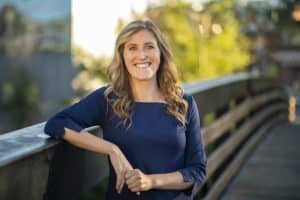
Meghan Lukens of Steamboat Springs is the representative for Colorado’s House District 26, which encompasses Moffat, Rio Blanco, Eagle, and Routt counties.