Cohn Levy: How to be respectful of your Jewish neighbors during High Holidays
Valley Voices
Summer ending marks the beginning of our cycle here in Eagle County, certainly more than Jan. 1 does. School goes back in session, traffic patterns shift, seasonal residents pack up, temporary winter employees are getting desperate to find housing, and sweatshirts are able to come out of hiding.
Coincidentally, or not, this is also the time when the Jewish New Year and Day of Atonement, known as Rosh Hashanah and Yom Kippur, come around. The timing of these holidays is determined by the lunar-based Jewish calendar, causing their dates to vary on the solar-based Gregorian calendar, but they typically fall within the first few weeks after the start of the school year and have done so consistently since universal fall through spring schooling began.
Over the past decade that Rabbi Newman and I have been serving the local Jewish community in our positions at B’nai Vail, however, we have had congregants report being refused excused time off from school or work, given important exams and/or homework due immediately after the holiday, have vital meetings scheduled, or issued other avoidable penalties for taking this time to observe the holiday properly.
While the majority of your students and employees are not Jewish, the local Jewish population is significant enough to make appropriate accommodations for them. B’nai Vail’s membership exceeds 400 member households this year and we estimate that we currently serve 1/3 of the local Jewish population.
Before recommending specific accommodations for schools and workplaces, it would be helpful to understand both Rosh Hashanah and Yom Kippur in both meaning and practice.

Support Local Journalism
Rosh Hashanah, the Jewish New Year, is the first of the Jewish High Holidays and marks the start of 10 days of penitence and spiritual renewal. It begins with a communal service at sundown, another the following morning till early afternoon, and a third mid-afternoon/early evening, all with festive family and/or communal meals spread throughout. Many Jews celebrate Rosh Hashanah for two days and will repeat this schedule. This year, Rosh Hashanah begins at sundown on Monday, Sept. 22.
Yom Kippur, the Day of Atonement, is considered to be the most holy day of the year to Jews. All Jews over the age of 13 are expected to refrain from eating or drinking for 25 hours, with exceptions for health reasons, and are expected to refrain from working. It begins with a pre-fast meal just before sundown, followed by a solemn service called Kol Nidre, a service the following morning, and a closing service as sundown approaches again. This year, Yom Kippur begins at sundown on Wednesday, Oct. 1, with a fast that ends 25 hours later.
There are many ways to be respectful of your Jewish neighbors during this time, especially when you are in a position of power over them as a teacher or employer, without sacrifice from the rest of the community. Nobody is calling for schools to be closed like they are for Christmas or New Year’s. Here are some things you can do:
- Schedule activities that can’t easily be made up on days other than Rosh Hashanah or Yom Kippur.
- Schedule exams, important meetings, homework, or other activities that require preparation on days other than those immediately following these holidays.
- Create an environment that welcomes Jews to spend this time with their family and religious community by not penalizing absence on these days.
If you would like to learn more, please do not hesitate to email me and schedule a meeting. I have gone to several local schools to teach about Judaism and would be happy to visit more. If you need a place to attend High Holiday services this year, ours will be held at Vilar Performing Arts Center and ticket information can be found at bnaivail.org/house-of-worship/holidays or admin@bnaivail.org.
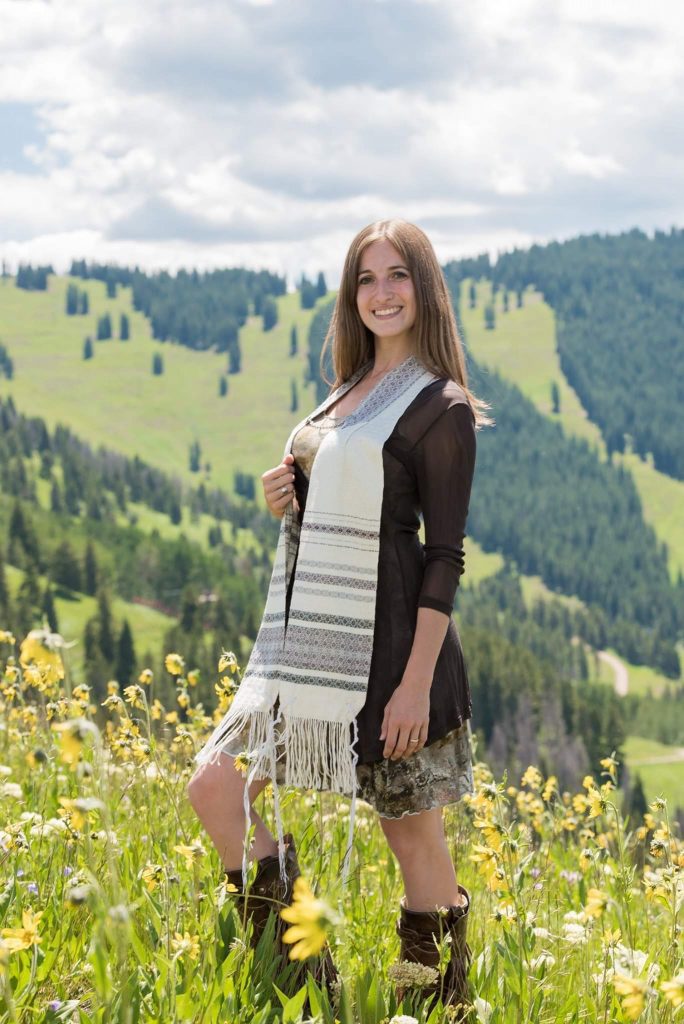
Michelle Cohn Levy is the cantor for the B’nai Vail congregation. Email her at Cantor@bnaivail.org.