Latina Voices at Bravo! Vail: Discussion with Angélica Negrón and Lido Pimienta
Special to the Daily
Courtesy photo
- July 2 at 6 p.m. at the Gerald R. Ford Amphitheater
- Dallas Symphony Orchestra
- Fabio Luisi, conductor
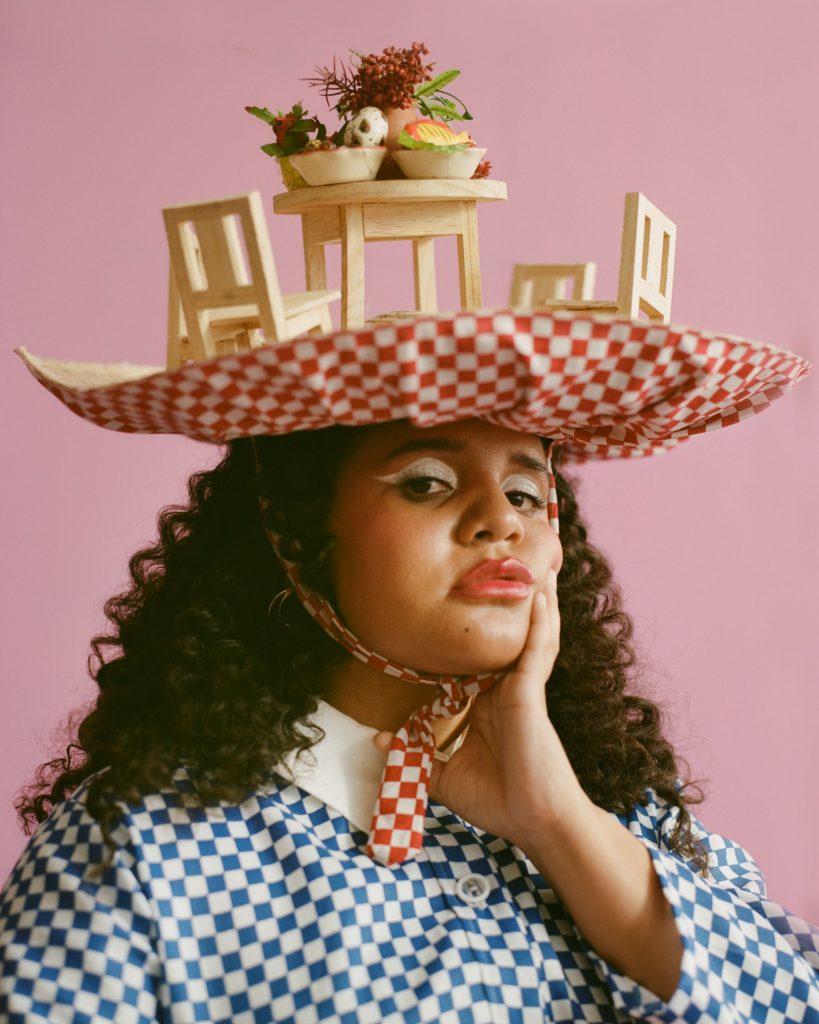
Composer Angélica Negrón wrote her work, “Arquitecta” with Lido Pimienta in mind. The two met through the Latin American music blog Fonograma and first collaborated on a piece called “Otra Cosa” for the Prototype Festival in 2020. Once Angélica saw Lido’s piece “sky to hold” with the NYC Ballet and her performance in front of an orchestra, she knew she had to write an orchestral work for her.
Both Angélica and Lido will join the Dallas Symphony Orchestra for the “Arquitecta” Colorado premiere on July 2 at the Gerald R. Ford Amphitheater. The 10-minute work features Lido singing text from a Spanish poem by Puerto Rican writer Amanda Hernández, while pre-recorded vocals pay homage to the women in Angélica’s life.

I had the opportunity to discuss this groundbreaking work, what inspires these incredible artists, and more. Below is an excerpt of that conversation.
Aileen Pagán-Rohwer (APR): Angélica, the relatives that are featured in “Arquitecta” — who are they, and what do they mean to you? How were they selected to participate, and why is it important to be featuring them in the piece?
Angélica: The voices that are featured in the piece are all women who I love and admire and who have shaped my life in some way or another. They’re my mother Frances; my tías Blanca, Chandy, Lourdes, Patty, and Wandy; my cousins Jeannette, Alexandra, and Ruby; my nieces Isla and Leah; my mother-in-law Noret; my sister-in-law Berliz; and my close friends Gabi and Nora.

Support Local Journalism
They’re all Puerto Rican women, with the exception of my mother-in-law who’s Venezuelan but lives in Puerto Rico, who I have shared many moments of joy and laughter, as well as sorrow and struggles, with. I’m constantly in awe of their brilliance, resilience, strength, and humor. I wanted to honor them in this piece as Amanda Hernández’s poem reminded me of the way they have modeled this for me in my own life.
APR: How and when did you decide that music was going to be your life’s work?
Angélica: At the end of high school, I knew music was going to be with me for my whole life, and starting in college I realized after a few detours that I wanted to create music and share stories through sounds with others. There were some artists and composers as well as filmmakers with whom I had really profound experiences listening to their music or seeing their work, and I wanted to do the same with my music.
Lido: I have always known I would be an artist. As a child, I would always come up with little songs and melodies, always humming along and thinking my life was a musical. When I realized people connected to my voice, I knew I would be doing this forever.
APR: Where do you draw your inspiration for new works?
Angélica: I find inspiration from the sounds and sights around me, including nature but also the sounds in my kitchen, my family and friends, my dog, the people in my neighborhood, my childhood, from situations I have a hard time unpacking through words, from my experience as a Puerto Rican living outside of the island, from other artists I admire including poets, visual artists, drag performers, and comedians.
Lido: Lived experiences and the desire to evolve constantly.
APR: What advice would you give to young musicians looking to express themselves through music?
Angélica: Make the music you want to make, create the spaces and the work you want to see, listen to as much music from as many different styles as you can, collaborate with others, be true to who you are, and stay curious.
Lido: My advice would be to always follow their inner voice, experiment and listen to all kinds of music, and take dancing lessons!
APR: So much of music includes reflections and working through conflicts or issues that surface in our lives. Is there a favorite piece that you each wrote that reflects a significant moment in your life, or is there another piece written by someone else that also does this for you?
Angélica: My piece for mixed chorus titled “Paradise” deals with the consequences of disaster capitalism and ongoing colonialism in Puerto Rico. This is something that affects the people on the island and abroad, including my loved ones. The piece seeks to highlight these ongoing injustices while evoking an entrancing tone of deception, immersing the listener in the seductive narrative of a false promise of hope and prosperity that is so familiar to many Puerto Ricans.
I love the song “Tabula Rasa” by Björk from her album “Utopia” that deals with generational traumas and clearing them up by proposing the idea of a new place, of women supporting women, rejecting old systems. I like how the song approaches this with a fresh new perspective and an almost idealistic proposal on how to move forward.
Lido: I composed a song for voice and harp about the joy of sticking one’s teeth into a ripe mango. The style of the singing is Afro Colombian and the harp sound makes that pairing really inspiring in a way that elevates my Caribbean heart.
“Arquitecta” by Angélica Negrón does this for me too — the longing for our homes by the sea, by the water, and the rhythms of our people, perfectly told with an orchestra. I am so proud to be under Angélica’s wing and all the doors she is opening for young Latinx composers. We truly admire and look up to her.
Aileen Pagán-Rohwer is the director of education and engagement at Bravo! Vail.