Avalanche danger expected to increase across Colorado with new snow this week
The Colorado Avalanche Information Center is warning that there is a persistent weak layer ‘essentially everywhere’

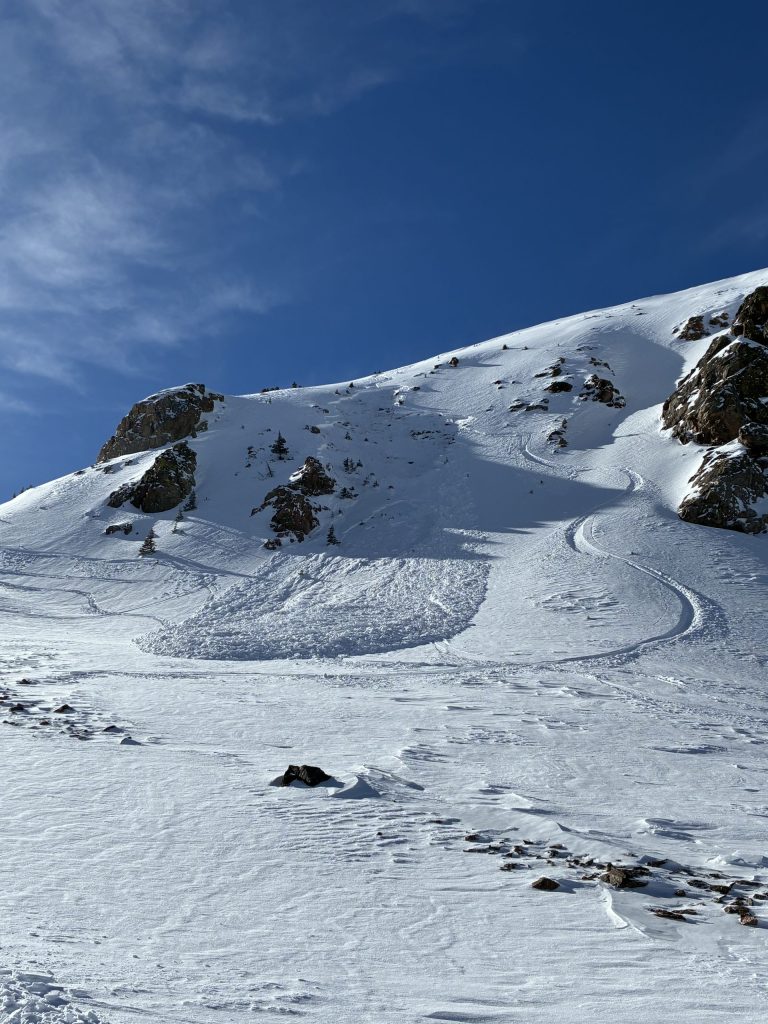
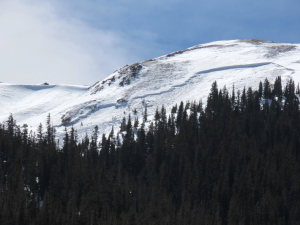
Colorado Avalanche Information Center/Courtesy photo
Avalanche danger will continue to increase this week across Colorado after the state saw fresh snowfall on Monday and more snow is expected on Thursday.
Colorado Avalanche Information Center Deputy Director Brian Lazar said that while avalanche danger across much of the state was low heading into this week, it has bumped up to moderate or higher in many places due to the fresh snow.
“Things have changed a lot in just the last several days,” Lazar said. “Just because you went somewhere last week and it was safe does not mean that it will be safe tomorrow or going into the weekend.”
Ahead of the Monday snowstorm, pockets of terrain that had received heavier snowfall so far this season, including west of Aspen and the Park Range near Steamboat Springs, were already at considerable avalanche danger, he said. He described these locations as “precursors” for what the rest of the state should expect as new snow deepens the snowpack and creates a slab upon the existing weak layer.
Across Colorado, there is a persistent weak layer — or a structurally fragile layer of snow — “essentially everywhere,” he said. With the low amounts of snow the state has seen so far this year, the weak layer on its own hasn’t posed much of a threat, but as more snow forms a slab overtop that weaker snow, it is creating the conditions for a persistent slab avalanche problem, he said.

Support Local Journalism
“That persistent slab avalanche problem is the trickiest because it behaves in unpredictable ways,” Lazar said. “You get avalanches that are triggered from a distance or they can be triggered from below, even if you’re in flat terrain. So the risk management for persistent slab avalanches is a much more cautious approach.”
Even before this week’s storms, there have been reports of small human-triggered avalanches in East Vail and on Uneva Peak near Vail Pass. A hiker last weekend also triggered and was caught in an avalanche near Mount Harvard, not far from Twin Lakes. While no one was buried, seriously injured, or killed in these slides, the CAIC wrote in its forecast for Wednesday that they suggest “the structure for avalanches is there.”
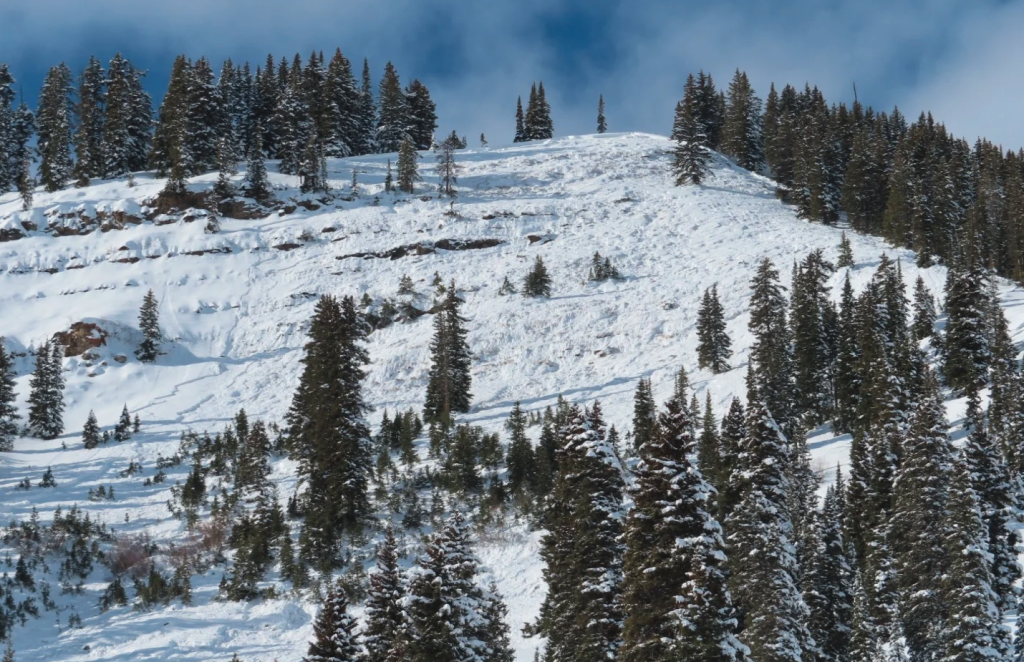
To help mitigate risk with a persistent slab problem, Lazar recommended maintaining a wide buffer from avalanche terrain, which includes any slope more than about 30 degrees. With a persistent slab problem, there is also the potential for remotely triggered avalanches, or avalanches that are triggered from a distance — including from below. That means it is important to consider whether there is avalanche terrain above, even when traveling on flat ground, he said.
Windy conditions have also been blowing snow around, creating a wind slab avalanche problem, where snow deposited by the wind creates a thick, cohesive layer on the leeward side of slopes and other terrain features. With predominantly southerly and westerly winds, wind slabs will mostly be located on north- to east-facing slopes.
Even with the new snow, Lazar noted the snowpack remains near historic lows throughout much of the state, so avalanches are likely to break near the ground and could drag a person into rocks or other hazards.
“Let’s not delude ourselves,” he said. “It’s still low tide out there.”
Backcountry experts recommend everyone recreating in or around avalanche terrain carry a transceiver, probe and shovel and travel with a partner who is carrying the same gear and knows how to use it. Anyone heading out in the backcountry in the winter should also check the avalanche forecast at colorado.gov/avalanche.
“At least from an avalanche perspective, it’s starting to look more like a typical year here in Colorado, where we have a snowpack deep enough to produce avalanches big enough to bury, injure, or kill a person,” Lazar said. “We’ve got wind drifted and stiff slabs resting over worrisome persistent weak layers. That’s not an unusual situation for us in Colorado. It’s just taken us until January to build up enough snowpack on the ground for these avalanches to grow in size to be a threat to people on a statewide basis.”