Legislation on health care, housing, workforce among top priorities for Western Slope lawmakers in 2026
Lawmakers representing rural resort areas are again centering their message on ‘affordability,’ as they seek measures to bring down the costs of housing and health insurance

Robert Tann Follow
Robert Tann/Vail Daily
State lawmakers representing Colorado’s Western Slope say they will bring bills this year that continue to focus on lowering costs while protecting the outdoors and bolstering the workforce.
During a call with reporters on Wednesday, Democrats representing mountain towns previewed some of their bills for the 2026 legislative session, some of which have already been introduced.
The Aspen Times reached out to Sen. Marc Caitlin, a Republican whose district includes Aspen and Glenwood Springs, but as of the time of publication, did not receive a response.
The legislative session began on Wednesday and will last through May 13.
Central to Democrats’ message is “affordability,” a term that has defined much of their work over the past several years and has become a national flashpoint heading into the November midterm elections.

Support Local Journalism
Western Slope lawmakers, whose communities are among the most expensive in the state, say they’ll approach that issue from several angles.
Health insurance

One area is health insurance premiums, which are surging for those enrolled on the state’s individual marketplace this year after Congress declined to renew federal subsidies at the end of 2025. Some Western Slope residents have reported premium increases as high as 400% as a result of losing the subsidies.
“Folks on the Western Slope, more than anywhere else in the state, rely on (those subsidies) to keep their health insurance affordable,” said Sen. Dylan Roberts, D-Frisco, warning that the lapse in subsidies could increase the uninsured rate in western Colorado.
During a special legislative session last summer, lawmakers passed a temporary round of funding to blunt those cost increases for Coloradans. They did so using revenue from the sale of one-time tax credits.
That funding is only for one year, however, and Roberts said tax credit revenue will likely not be a long-term solution. He and other lawmakers are working on a bill to extend state aid longer, adding that while lawmakers have yet to land on a solution, they’re exploring all options.
Democrats also continue to pressure Congress to renew the federal subsidies. The U.S. House last week passed a three-year extension of the subsidies, but that same measure already failed in the Senate in December, and it is unclear whether a deal can be struck between Democrats and Republicans.
“We still need Congress to step up here,” Roberts said. “But I am confident that before this session’s over, we’ll find a way to get something done in our state.”
Housing
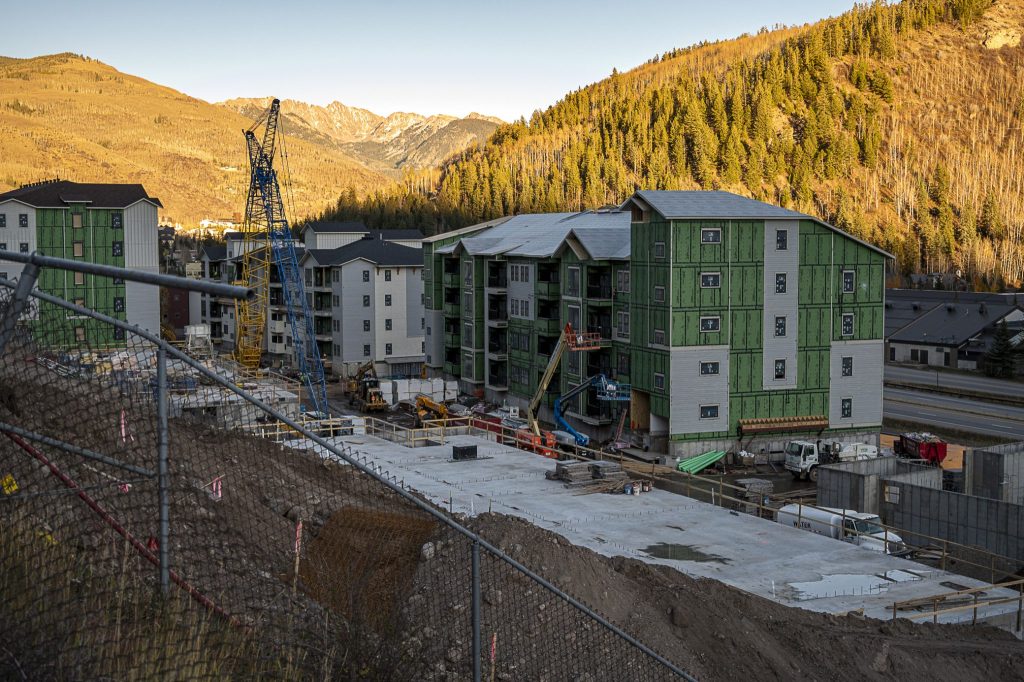
Roberts is also proposing legislation to increase affordable housing, particularly in mountain towns, after spearheading several housing efforts in previous years.
Senate Bill 1, which was introduced on Wednesday, would allow county governments to use property tax revenue in their general fund to support multi-jurisdictional or statutory housing authorities. Counties are currently prohibited from doing so. The bill also expands who can receive state tax credits for middle-income housing projects.
House Speaker Julie McCluskie, D-Dillon, will also revive one of her bills from last year that sought to lower homeowners insurance costs by funding measures to address wildfire and hail risk.
Homeowner insurance costs have risen dramatically in recent years, especially on the Western Slope, driven in part by more extreme weather events.
McCluskie’s bill would have created two new state funds, one to support a grant program for help homeowners pay for improvements like hail-resistant roofs, and the other to create a state-run reinsurance program to prevent rate spikes in the market following devastating wildfires.
Both funds would’ve been paid for through a 1% fee levied on every Colorado homeowners’ insurance plan, which failed to garner the support of Republicans and even some Democrats, who ultimately killed the measure last year.
McCluskie vowed to bring the bill back this session, but with a different funding mechanism.
“It’s the financing,” McCluskie said when asked about the challenges of passing the bill. “We have got to find a different approach in financing the state properties that people are asking us for.”
Workforce, the outdoors and immigrant rights
Other bills led by Western Slope lawmakers this year will touch on bolstering workforce pipelines, protecting the outdoors and safeguarding rights.
McCluskie is leading a measure to centralize higher education and workforce resources, including training and apprenticeship programs, under a new state department.
Rep. Meghan Lukens, D-Steamboat Springs, said she will bring a bill to promote pathways for working in state government. Another one Lukens’ measures, which was already introduced, would expand Colorado Parks and Wildlife’s role in outdoor recreation coordination and planning.
Lukens said the measure, House Bill 8, “responds to the growing pressure on our public lands” and will allow for more collaboration and planning between state agencies, tribes and local communities. The bill is similar to a measure Lukens introduced last year that failed to advance.
Rep. Elizabeth Velasco said other legislative priorities this year concerns worker rights and protections for immigrants.
Velasco last year sponsored a successful immigration protection measure that expanded limitations on data sharing and collaboration between state and local officials and federal immigration officers. She also led a bill that sought to provide more protections for outdoor workers during extreme temperatures, but the measure failed to advance.
Velasco has already introduced one bill this session, House Bill 6, which would require the state to identify and designate “thriving” post-secondary higher education institutions.