Colorado will deploy more speed enforcement cameras in 2026, as pilot program shows 80% decline in speeding, CDOT says
Mountain communities including Vail, Avon and Glenwood Springs have started their own speed camera enforcement

Post Independent File Photo
Colorado transportation officials say the rollout of a new automated speed camera program is having its intended effect, cutting speeding by nearly 80% — even before the pilot program has begun issuing fines.
So far, the Colorado Department of Transportation has only deployed the speed enforcement cameras on Colorado Highway 119 in Boulder County, but the department says it’s planning to deploy additional cameras in 2026.
“CDOT is currently evaluating other highways for the 2026 rollout, and they will be announced when approved,” CDOT strategic communications lead Stacia Sellers said in an email. “The CDOT executive management team approves all deployments on state, U.S. and interstate highways.”
The Colorado legislature updated the state’s traffic regulations in 2023 to allow CDOT and local agencies to enforce speed compliance using cameras in high-risk areas.
CDOT’s Speed Enforcement Program has focused on work zones, where there are often more obstacles for drivers, like narrow and shifting lanes, and data show a higher rate of crashes resulting in injuries and death.

Support Local Journalism
Colorado had 1,366 work zone crashes last year, resulting in 508 injuries and 31 fatalities, up from 16 deaths in 2023 and 10 in 2022, according to the department. Speeding is a top factor contributing to crashes that result in fatalities or serious injuries. Colorado State Patrol investigated over 560 fatal and injury crashes involving a speeding driver in 2024.
Sellers did not specify which highways the executive management team, which includes CDOT Executive Director Shoshana Lew and other top transportation officials, is considering for future speed camera deployment.
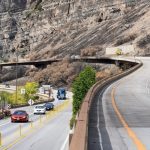
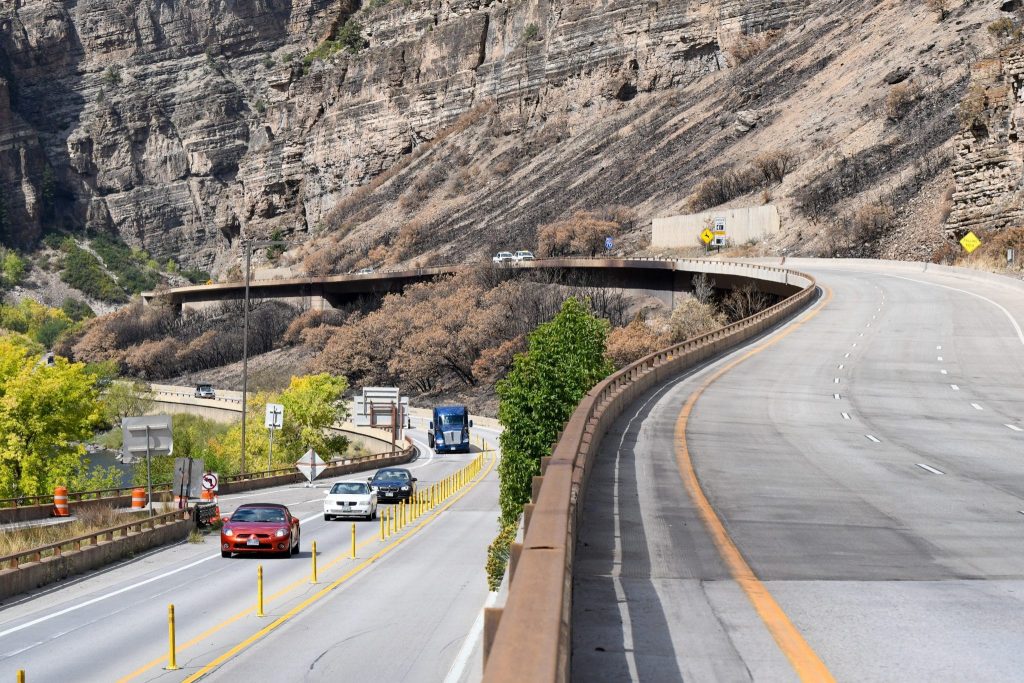
At past Colorado Transportation Commission workshops, Interstate 70’s Glenwood Canyon and Floyd Hill, have been thrown around as potential locations for the cameras. Construction projects are planned at both locations in 2026.
CDOT says its Speed Enforcement Program will roll out first in work zones, but it could eventually expand to school zones and other high-risk corridors.
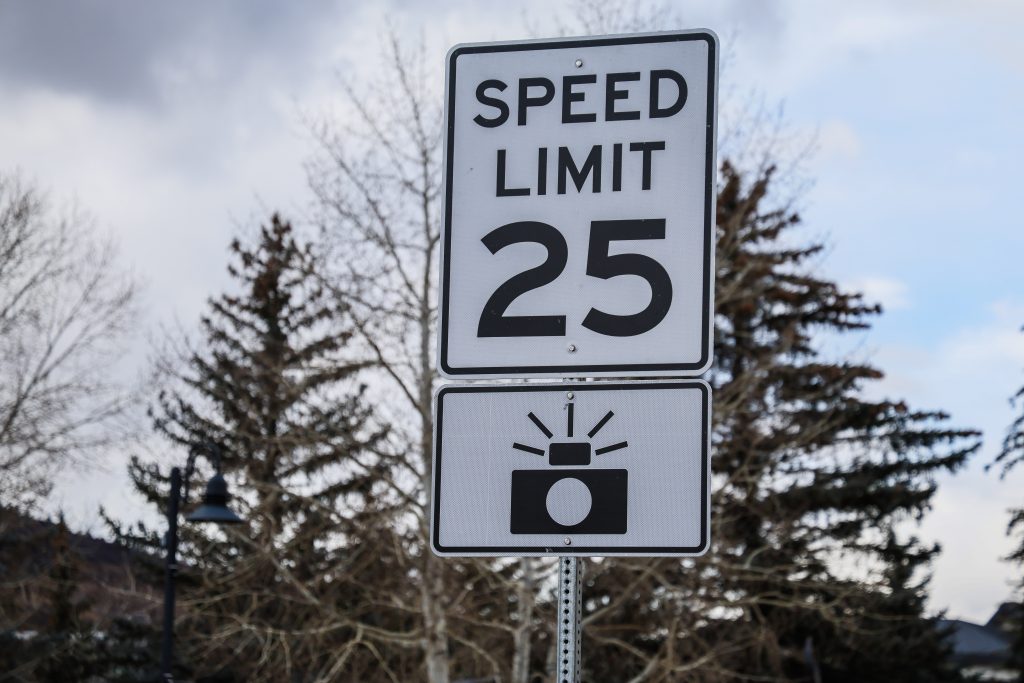
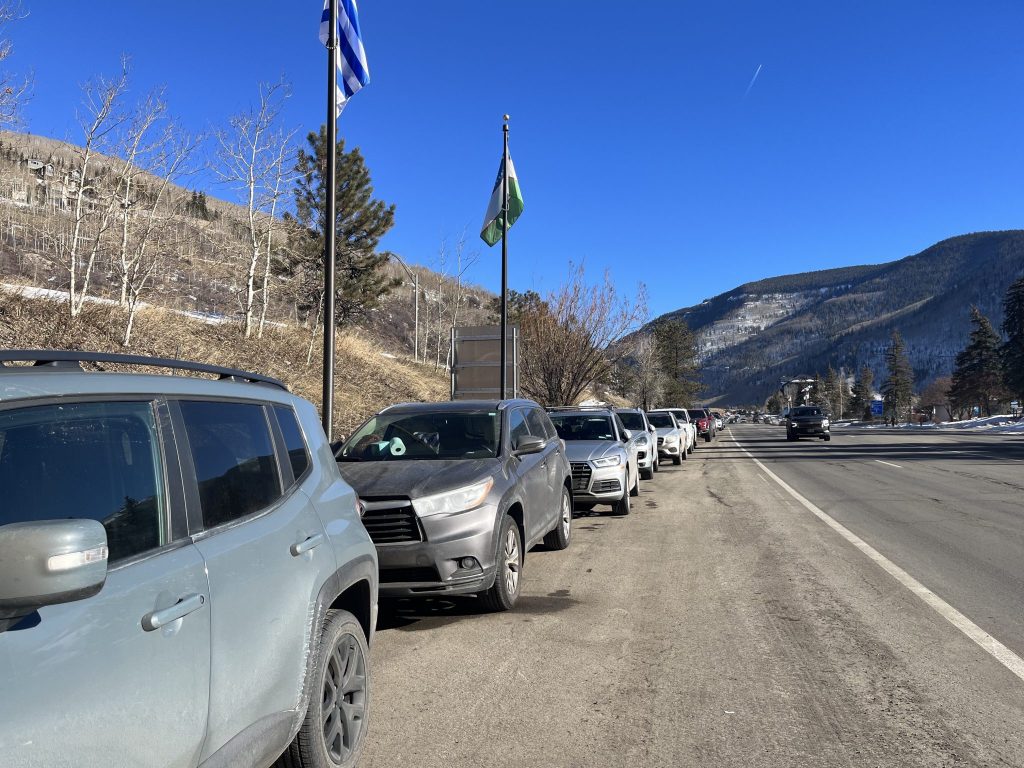
Local communities, including mountain towns like Glenwood Springs, Avon and Vail, have also rolled out their own speed enforcement camera programs in recent months on roadways with high crash rates.
CDOT pilots speed camera program
CDOT began using speed enforcement cameras along Colorado Highway 119, where a safety and mobility project is under way, in July. The program resulted in an almost immediate drop in the number of drivers speeding through the work zone, according to CDOT data.
On July 21, the speed cameras began issuing warnings to drivers speeding 10 mph or more over the posted 50 mph speed limit. Since then, the transportation department says it’s seen an about 80% drop in the number of people speeding through the zone.
“Average speeds starkly decreasing on (Colorado Highway 119) means the Colorado Speed Enforcement Program is already doing its job to increase safety in the corridor,” CDOT Chief Engineer Keith Stefanik said in a statement.
Beginning Jan. 12, those caught on camera speeding through the work zone will receive a $75 civil penalty, rather than a warning, according to a news release. Drivers do not receive points against their license for civil penalties issued by the system.
Since the program began through Dec. 8, CDOT says the automated speed enforcement cameras have resulted in just over 34,000 warnings being issued. If all of those speeding drivers had instead received the $75 civil penalty, the transportation department could have collected more than $2.5 million over that less than six-month period.
Sellers said the civil penalties will be used to fund the Speed Enforcement Program, “making it a self-sustaining safety initiative.” She said any excess funds will go toward Colorado’s Vulnerable Road Users Fund, “to help save even more lives by supporting safer streets.”
However, transportation officials say the purpose of the program is not to raise money. Rather, it aims to improve driver behavior by reducing speeding, one of the leading causes of crashes in Colorado, and improve road safety.
“Civil penalties are meant to curb the behavior of speeding drivers, not punish them,” Stefanik said. “By moderating speed, we can save lives — plain and simple.”
How do CDOT’s speed enforcement cameras work?
CDOT’s Speed Enforcement Program uses two automated cameras that are placed at a fixed distance apart and take photos of each passing vehicle. Each photo is timestamped, allowing the system to calculate the distance traveled by the time taken to travel between each camera, to pinpoint the speed of the vehicle.
When the system flags a driver speeding 10 mph or more over the speed limit, it will use the vehicle’s license plate number to look up the vehicle’s registered owner and send a notice of the civil penalty to the owner’s mailing address.
It could take up to 30 days for vehicles registered in Colorado and 60 days for vehicles registered outside of the state to receive the fine, according to a Frequently Asked Questions webpage for the Speed Enforcement Program. Upon receiving notice of the civil penalty, drivers will have 45 days to pay or dispute the fine.
CDOT says the registered owner of the vehicle can be held responsible for the civil penalty even if they were not driving, unless they can establish that their vehicle was stolen at the time the violation was issued.
Under Colorado law, the public must be notified anytime new speed enforcement cameras are installed and there is a minimum 30-day period during which the system must issue warnings, rather than civil penalties.
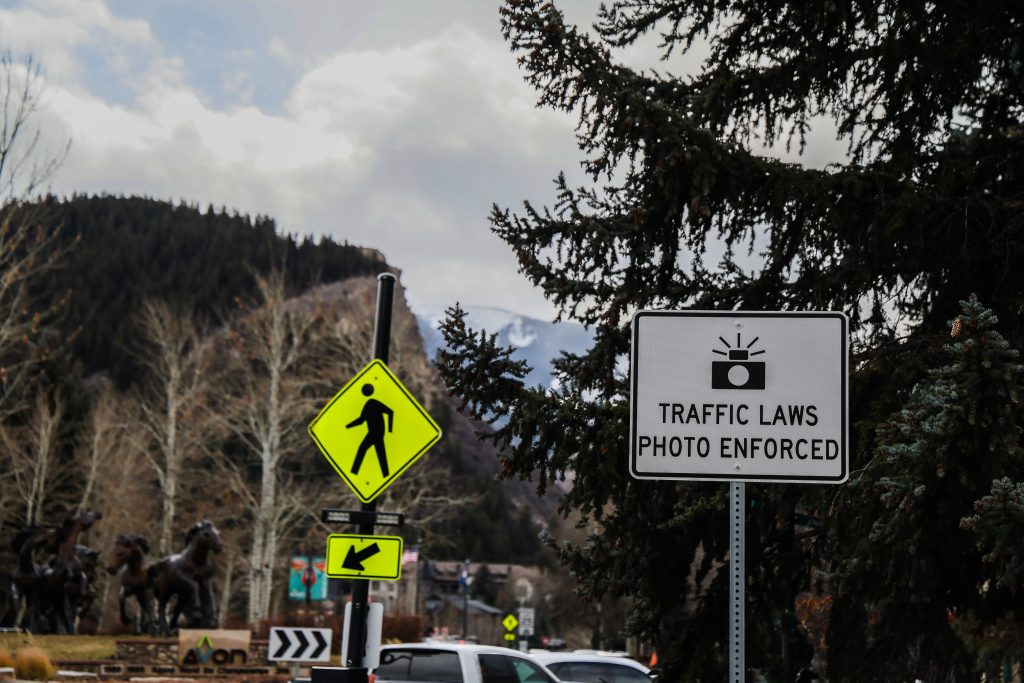
The law also requires that signage must be posted to warn drivers that they are entering a zone where cameras will be used for speed enforcement.