‘Marathon-o-meteors’: Colorado stargazers can witness a meteor shower almost every night of October
The Orionids Meteor Shower that peaks with 13 meteors per hour on the night of Oct. 21 is the product of debris from the famous Halley’s Comet

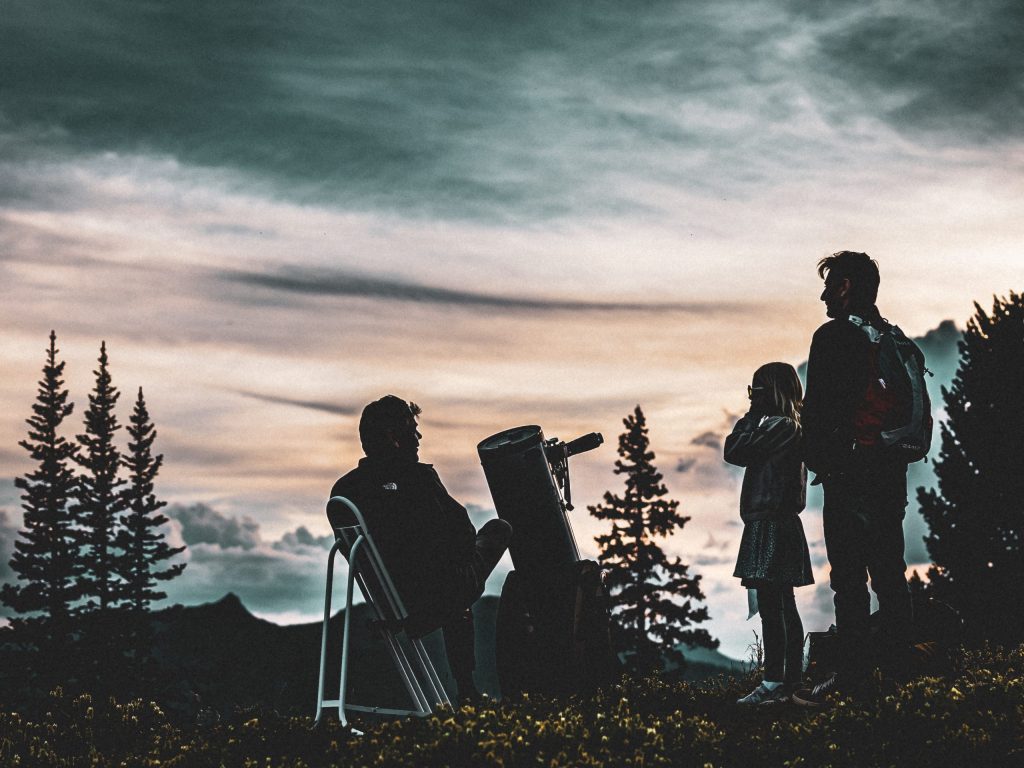
Austin Colbert/The Aspen Times
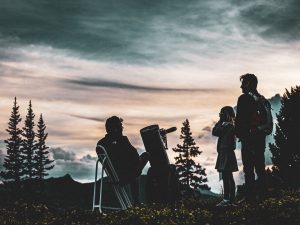
Colorado stargazers are more likely than usual to catch a glimpse of a shooting star if they look after dark any night this month.
October night skies will feature what Colorado stargazing guide Mark Laurin, better known as Astro Mark, described in his monthly newsletter as a “marathon-o-meteor-showers” with the shooting star events occurring — and sometimes overlapping — almost every night of the month.
And the good news for late night sky watchers doesn’t stop there.
“Many of the showers peak when the moon is at or near its new moon phase; meaning, dark nights,” Laurin wrote. “Even more, the showers radiate from points in both the north and south of our celestial dome. Meaning, for those showers when the moon is out, you’re looking in the opposite direction. How nifty cool is that?”
There are a total of seven major and minor meteor showers that peak in October, Laurin said, noting that the month is the transition between summer and winter — both in the night sky and on Earth. With shorter days and longer nights, there are more opportunities for stargazing, but temperatures are dropping, so he recommends bundling up and maybe bringing a warm beverage.

Support Local Journalism
A meteor, often called a “shooting star,” is the bright streak of light seen when a small piece of space debris burns up in the atmosphere. A meteor shower occurs when the Earth’s orbit passes through a stream of debris left by a comet or an asteroid, causing a shower of shooting stars as the debris burns up in the atmosphere.
The Orionids Meteor Shower, which will peak Oct. 21-22, is one of the major meteor showers that is visible from Colorado annually and will offer about 13 meteors per hour, Laurin said. It is the product of the debris shed by the famous Halley’s Comet when it last passed the Earth in 1986.
Laurin recommends finding a location with dark skies, away from bright lights and a broad view of the sky sometime after midnight for the best views of the Orionids Meteor Shower. He said the meteor shower’s radiant point will be the constellation Orion — but the best way to see shooting stars is to lean back, look up and take in as much of the sky as possible.
The Cemelopardalid Meteor Shower is visible all night on the nights of Oct. 5 and 6, with two to four meteors per hour possible on the opposite side of the sky from the moon, especially shortly before dawn, Laurin said.
The Draconid Meteor Shower, which occurs from Oct. 6-10, peaking Oct. 9, is also easy to see because it is “that rare meteor shower that is best observed between sunset and midnight,” he said. The best time to view is just after dusk — looking to the northwest horizon.
“The Draconids are not predicted to be exceptional this year, around five per hour under ideal conditions,” Laurin said. “However, the angle at which the debris hits our atmosphere is conducive for longer streamer-type shooting stars.”
On Oct. 10, the South Taurid Meteor Shower, offering about five meteors per hour, reaches its peak on the same night as the new moon, offering maximum darkness, Laurin said. It also overlaps with the Delta Aurigid Meteor Shower, which peaks the next night.
The Epsilon-Geminid Meteor Shower will be active from Oct. 14-27, and peaks Oct. 18. He said it may be more difficult to see due to the moon, though it could be possible to catch a streak just before 6 a.m.
Then, the Leonis Minorid Meteor Shower will last from Oct. 19-27, peaking on Oct. 24, though it is only expected to offer about two shooting stars per hour under ideal dark conditions. The best chances are just before daybreak, around 6:45 a.m.
A member of the Denver Astrological Society and a mentor with DarkSky International, Laurin leads astronomy tours in Colorado. The state has a number of DarkSky certified places including Breckenridge, Old Snowmass Village and Mesa Verde National Park.
“Autumn and winter are stargazing seasons full of celestial wonders to experience,” Laurin said. “My hunch is that you’ll be craning your neck looking up these next few months, so get ready. October kicks it all off.”