Curious Nature: Heat pumps: They’re cooler than you think
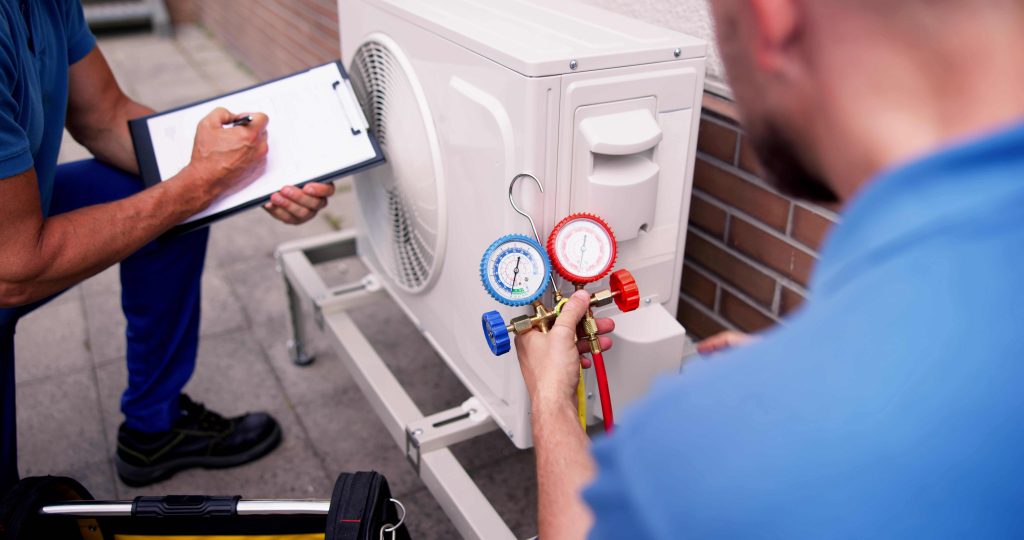
Adobe Stock licensed by Walking Mountains
If it seems like everyone is talking about heat pumps lately, you are not imagining it. After experiencing the warmest winter on record followed by unprecedented statewide heat waves and rising natural gas prices, homeowners across Eagle Valley are looking for ways to add air conditioning, replace aging furnaces, and increase the safety of their homes. The solution for all three of those things: a heat pump.
You may be wondering what exactly a heat pump is and why it is becoming so popular. Air Source Heat pumps serve as a classic “twofer” example. Despite what the name might suggest, heat pumps both heat and cool, providing the work of two systems in one unit. Unlike a furnace or boiler that burns fossil fuels to heat your home, a heat pump uses electricity to move heat from one place to another. Similar to an air conditioner, in the summer, they transfer heat from inside your home to the outdoors, and reverse in the winter.
Built for mountain living
A common misconception around heat pumps is that they do not work in cold climates and at high altitudes. Enter, the Cold Climate Heat Pump.These systems are engineered to operate efficiently in freezing temperatures, making them perfect for high altitude homes.The advanced technology uses special compressors and refrigerants to extract heat even when outdoor temperatures drop well below zero, with some models capable of providing warmth down to -22° F. This is a game changer for mountain communities like ours, as they can keep your home warm and comfortable, even in a Colorado snowstorm. If you’re still hesitant, you can even leave your existing heating systems in place as a backup, although, you probably won’t ever need them.
You might be thinking that is too good to be true, but it gets even better. Heat pumps are more energy efficient than other heating and cooling systems, meaning you can increase your comfort while reducing your carbon footprint. This can help meet the goals of the Eagle County Climate Action Plan, of reducing greenhouse gas emissions 50% by 2030 and 80% by 2050. As of 2024, buildings account for 41% of our emissions, indicating a significant opportunity for reduction. The environmental impact of installing a heat pump is amplified even more since our local utility provider, Holy Cross Energy, has a goal of providing 100% renewable electricity by 2030, and has made significant strides, providing 100% renewable energy this March.
Heat Pumps also improve indoor and outdoor air quality by eliminating combustion in your home and the harmful byproducts that come with burning natural gas — not to mention potentially eliminating a gas bill. Heat Pumps can even lower utility costs, especially if you have electric baseboard heat.

Support Local Journalism
Getting started is easier than you think
Now that you’ve seen how cool a heat pump can really be, you may be wondering whether one is right for your home or where to get started. The good news is that almost everyone is a candidate for a heat pump. They’re an especially good option if your furnace or boiler is nearing the end of its life or you’re looking to add air conditioning.
Looking for the first step? An Energy Coach at Walking Mountains is always there to walk you through the entire process, from which heat pump system might work for your home to navigating the rebate process (more on that below). The Energy Coach can answer all your questions, provide recommendations, and get you started with a home energy assessment. The home energy assessment will give you actionable data to improve your energy efficiency, comfort, and safety, making your switch to a heat pump even more impactful.
Many homeowners also assume heat pumps are prohibitively expensive. In reality, replacing an aging furnace with a heat pump is often comparable in cost before incentives. Better yet, homeowners may qualify for stackable rebates starting around $2,000 and reaching up to $10,000 depending on the project and household. Holy Cross Energy also offers an On-Bill Repayment program for qualifying members, covering equipment and installation costs up to $15,000 after rebates, allowing payments over 10 years with 0% interest.
Whether you’re replacing an aging heating system, preparing for warmer summers, or simply looking to lower your home’s energy use, a heat pump is worth considering. With today’s cold-climate technology, generous incentives, and the support of Energy Coaches, making the switch has never been easier, or cooler. To get started, contact an Energy Coach today by emailing energy@walkingmountains or filling out the form here.
Courtney Bryan and Hannah Remke are sustainability program coordinators at Walking Mountains that work in residential energy programs.