Curious Nature: The importance of experiencing awe in nature
Curious Nature
Courtesy photo
“You must really love your job,” one of my snowshoe participants said to me as we returned our snowshoes and hiking poles to the Nature Discovery Center. I had just completed leading a group snowshoe tour on Vail Mountain where we learned about the inhabitants of the White River National Forest and the importance of winter in the Rockies. We dug snow pits to assess the snowpack, looked at snowflakes under magnifying glasses, and watched pine squirrels scurry to their food caches.
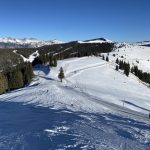
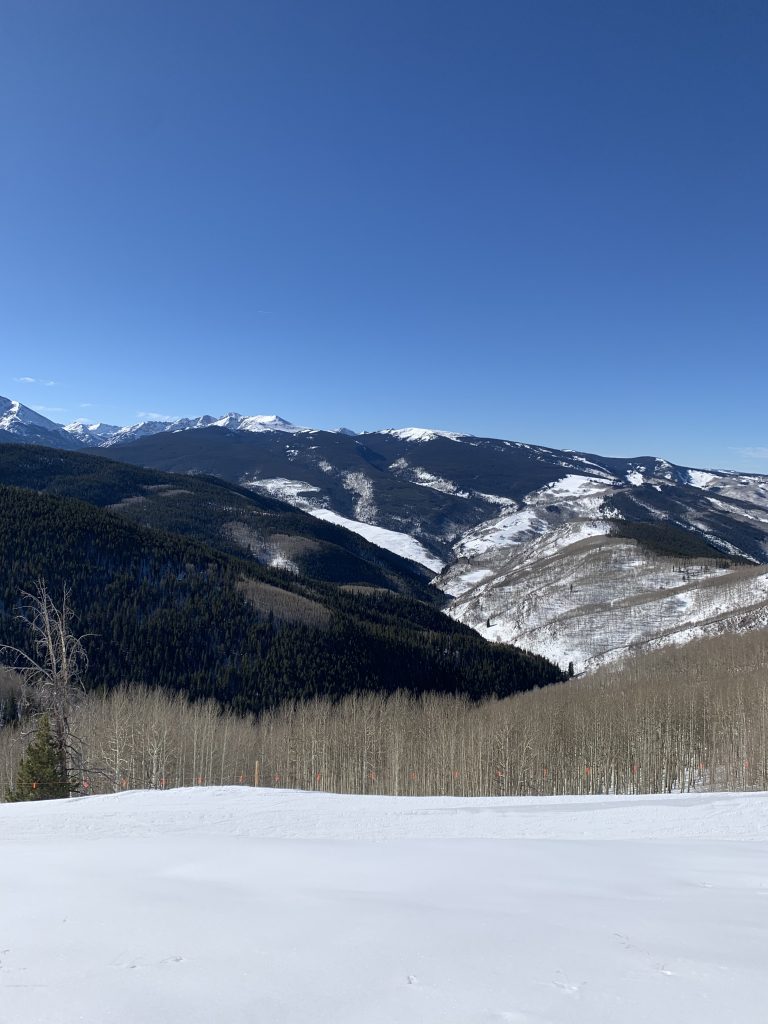
Towards the end of the tour, I led the group uphill to a small clearing. Looking out, we could see the Sawatch Range perfectly. Up to that point, the tour was filled with enthusiastic sharing of facts and get-to-know-you conversation. However, when we arrived at the clearing, I felt that it was nature’s turn to do the talking. We sat in silence for as long as time allowed, each of us soaking in the sights, sounds, and cold air. I felt there was nothing I could say in that moment that could teach or inspire half as effectively as the awe-inspiring landscape itself — so I said nothing.
At Walking Mountains, our mission is to “awaken a sense of wonder and inspire environmental stewardship and sustainability through natural science education.” Since I have worked at Walking Mountains, the word “wonder” has stuck out to me and guided every program I’ve written or led. I have found that incorporating intentional moments of stillness and quiet into programs allows the space for participants to experience feelings of awe and wonder. Within those moments, profound learning and connection to place can occur.
Awe can be defined as “a feeling of reverential respect mixed with fear or wonder, typically as inspired by … the power or beauty of the natural world.” Not only is awe a profound feeling, but it benefits our lives in many ways. Studies suggest that when we experience awe and wonder, our ego shrinks and we feel more connected to the people and environment around us. It shifts our focus from the self to a greater context, making us more likely to think globally and helping us value collective solutions to challenges. We feel a greater sense of connection and empathy, which can inspire us to be more generous — perhaps even in regard to our willingness to volunteer, support, or advocate. We are more creative, curious, empathetic … the list goes on!
The great news is that we don’t have to go far to experience awe in nature. It is not only reserved for panoramic views from mountain summits or natural wonders like the Northern Lights or the Grand Canyon. It’s all around you! When was the last time you watched a sunrise, looked up at a star-filled night sky, or noticed the tiny details of a leaf? Those small, intentional moments are great places to start — and winter can be full of them! Next time a snowflake lands on you, take a closer look and notice its shape or how it reflects sunlight. Make a snow angel, stargaze on clear nights, or bundle up and go for a walk. If you are a snowsports enjoyer, factor in slivers of time to be still and notice the landscape around you. Ultimately, awe and wonder can be experienced as we slow down, act intentionally, and pay attention. It’s not about where you are, but rather how you tune into the environment around you. It’s about how you allow nature to speak, and most importantly — how you listen.

Support Local Journalism
Callie Pehl is a Lead Naturalist at Walking Mountains who is left awestruck by nature probably at least once a day.