Avon, Eagle County narrow down goals for future regional housing authority as planning progresses through early stages
Community surveys slated for March as 2 leading entities work to build housing solution

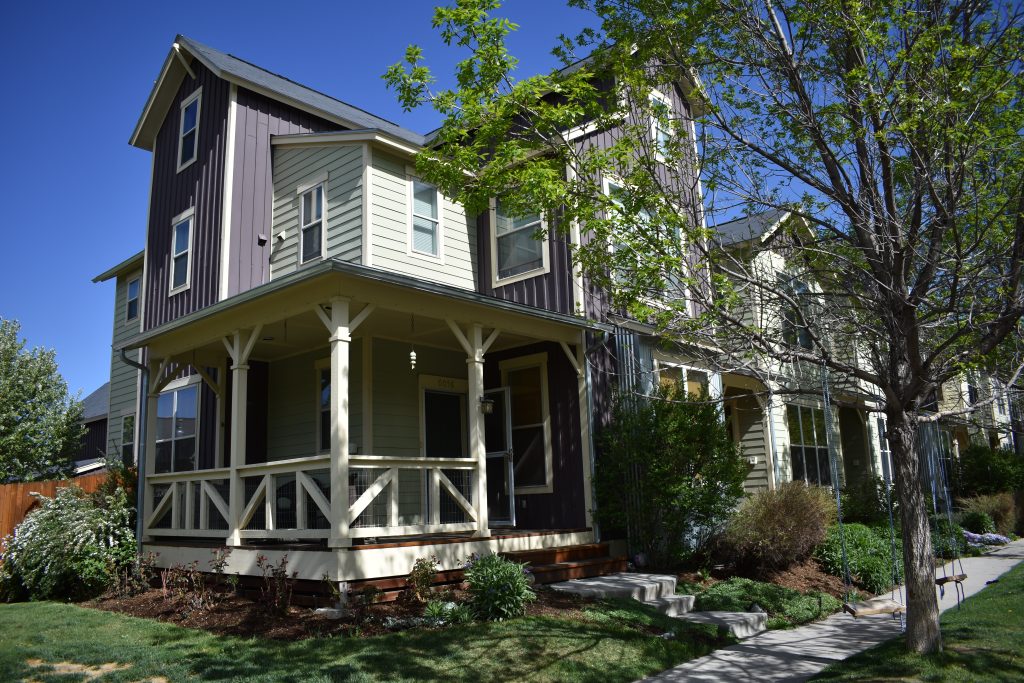
The Valley Home Store/Courtesy image
The proposed regional housing authority that may serve as a solution to the affordable housing shortage in the Eagle River Valley is still in the very early stages of planning.
The 2025 Eagle County Regional Housing Needs Assessment identified that the county will need 6,300 more units of affordable housing in the next 10 years to ensure local workers can stay local.
The goal of the regional housing authority is to bring a better coordinated and collaborative effort, along with more significant funding, to tackle Eagle County’s housing crisis.
The town of Avon and Eagle County met on Feb. 3 to narrow down plans for the potential regional housing authority.
Currently, there is not a set group of people working on a set project for the housing authority. Avon and Eagle County have assumed leadership over the early stages due to the high need for housing in the town and unincorporated Eagle County; half of the 6,300 units needed in the next 10 years lie in the two areas.

Support Local Journalism
Both municipalities have taken strides toward tackling the housing crisis. Eagle County’s The Valley Home Store has put many locals in homes using a large one-time pot of funding. But that funding is running out.
“We know we — the Eagle County Housing and Development Authority — we are out of money,” said Kim Bell Williams, the county’s housing director. “We have done a really good job spending over $70 million on getting over 1,000 units in the last five years.”
It is “pretty critical” to find funding sources for housing moving forward, Bell Williams said.
What matters in your community, delivered daily.
Sign up for our morning newsletter at VailDaily.com/newsletter
The goal of the Feb. 3 meeting was to “start shaping what a potential or possible regional housing authority might look like,” said Commissioner Tom Boyd.
An actual regional housing authority would be a governmental authority with its own staff and a funding source. This would need to be approved by voters at the ballot.
“Until there is a proposal put out there … we are just talking,” said Eric Heil, Avon town manager.
Regional housing authority begins to take shape
Since engaging the consultant Government Performance Solutions in mid-2025, the first round of engagement with local municipalities and organizations, along with interviews with neighboring housing authorities, have yielded that “there is no silver bullet for the perfect housing authority,” Bell Williams said.
“The positive part of that is we can customize it based on needs,” Bell Williams said.
Creating a regional housing authority involves making decisions about a variety of factors, including the elaborateness of the model, the functions it performs, how it is funded (and how much funding it has) and the composition of the board.
The Town Council members and commissioners leaned toward a hybrid model for the Regional Housing Authority, which would allow it to perform both core and administrative functions with revenues between $2.6 and $20 million funding 10 staff members and a range of potential projects.
The hybrid model has the “flexibility” to change based on how its constituent governments think it should, said Tori Franks, the county’s resiliency director.
“The hybrid model seems to give us the best of both worlds,” said Rich Carroll, Avon’s mayor pro tem.
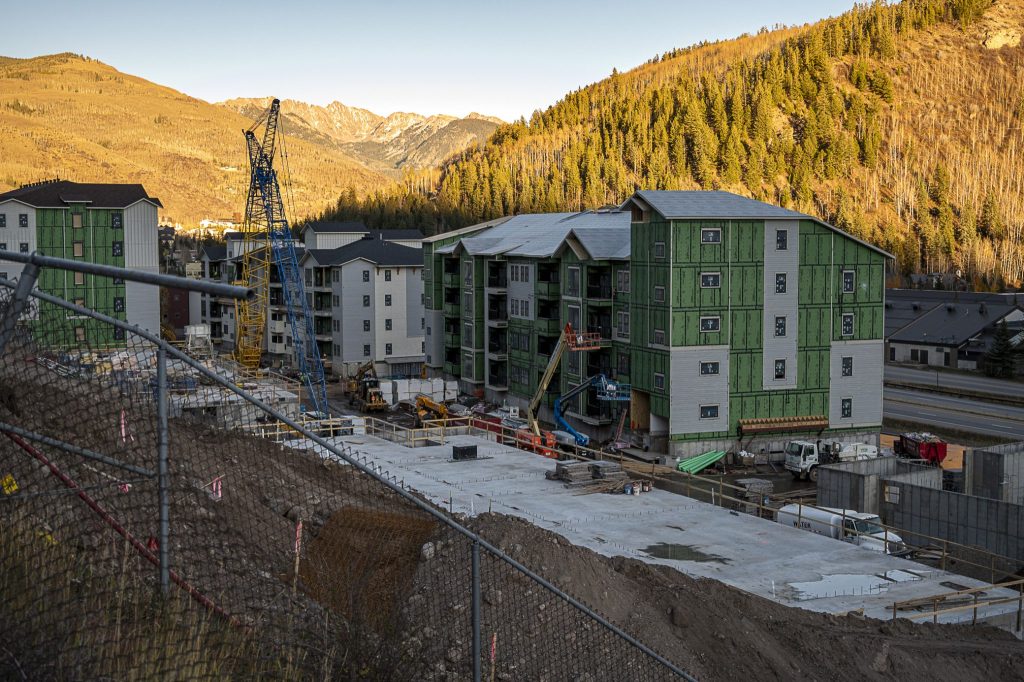
One of the benefits of the regional housing authority is that it can generate its own source of revenue, if approved by voters.
Funding is “one of the most important things,” Scherr said.
“Avon, Vail, Eagle County, so many of our authorities have demonstrated over time a real capability to do housing,” said Commissioner Matt Scherr. “We’ve got some of the best housing teams in the state. We’ve done a lot with programs, with some capital and managing to leverage funding.”
The goal of the authority is to create more funding, Scherr said.
Commissioner Jeanne McQueeney suggested that the authority be able to use funds throughout the constituent municipalities, rather than trapping the money where it is generated. “I think that we want to start with the concept of regional and not ‘we generated this money and so it’s staying here,'” McQueeney said. “We have to be willing to say, ‘this is where our folks live, and this is where we can spend our money.'”
“We want to start with this idea that this is one economy, one valley,” Scherr said.
There are a number of existing housing programs throughout the county, including the county’s The Valley Home Store, the Vail Local Housing Authority, and the Avon-Eagle County Good Deeds partnership, among others.
A regional housing authority might help provide clarity for locals trying to navigate the community housing market. “There is a lot of confusion with all the different programs, so the idea of the one stop, one shop, the uniformity, that can help a lot,” Heil said.
“It’s really hard to be a working person of any level … and stay here,” Boyd said. “If we can come together on this issue, we can do a lot to make that go more easily.”
“I don’t think there’s any desire from anyone for more bureaucracy, or creating a whole new government to do stuff that we all do,” said Avon Mayor Tamra Nottingham Underwood.
A true regional partnership?
While currently led by Avon and Eagle County, the regional housing authority will likely operate most effectively if it is a truly regional partnership.
“I want to acknowledge the moose in the kitchen with all of this,” Heil said. “When you look at the revenue charts, Vail is about 40% of all the revenue when it comes to sales tax, property tax, lodging, and I think to be really successful, having them included would be the real big game changer.”
Communities like Eagle and Minturn would also likely benefit from a regional housing authority, which would contain staff with housing expertise that the towns do not currently have in-house, Heil said.
The hybrid model is “intended to be flexible so that we can go out and say, ‘how would this get structured in a way for you?’ for all the other communities,” Heil said. “Ideally it would work from Vail to Gypsum.”
The state’s rules for a regional housing authority board makeup leave who can sit on the authority’s board relatively open ended. Board members must come from towns or counties (not metro districts) but do not to be specifically elected officials or municipal staff. Upon formation, the constituents will sign an intergovernmental agreement designating several factors, including board members.
Heil suggested the board members at least be individuals with an understanding of the housing industry.
“I do think that housing is probably one of the most complicated activities. The numbers, the financing, the entitlements, buying land, constructing — all of it is incredibly complicated,” Heil said. “I think having some professional expertise is helpful in that arena.”
The housing authority board will not have the power to designate land use or rule over how the valley grows; its role is simply to determine how to build the most housing in areas designated by municipalities and bring suggestions back to those governments.
“The housing board would just truly be, ‘how do we put complex deals together, bring them back to the member jurisdictions, and say ‘this is what we think would work’?” Shroll said.
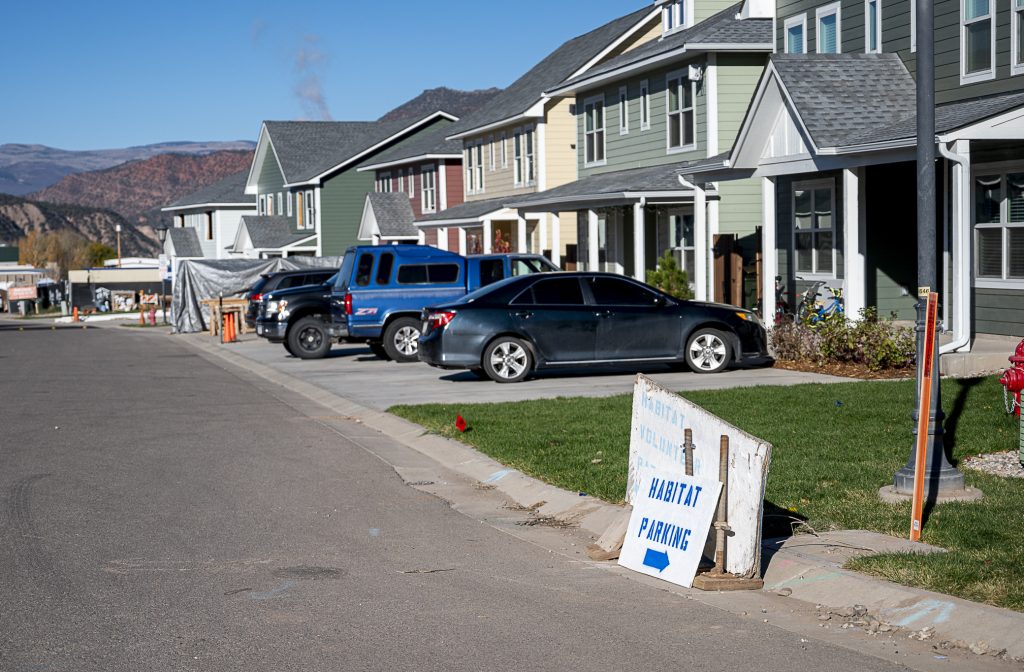
What comes next
The next step is for the regional housing authority project leaders to take the framework of the hybrid model to other stakeholders, from other municipalities to the local business and nonprofit communities and more.
After hearing feedback, the goal will be to create a proposal that helps fill the needs of as many stakeholders as possible, Heil said.
The community will also be asked for feedback, beginning with a broad survey in March that asks for general feedback and suggestions on the concept of the regional housing authority. Once a concrete proposal has been built, community polling is scheduled to take place in April and May to evaluate the possibility of a November regional housing authority ballot question.
“People are constantly asking us, ‘when are you going to do something about housing?’ And I really feel like this is our first step in doing that,” said County Manager Jeff Shroll.
“There is so much more to come,” Shroll said.