Eagle County sues again to derail oil trains

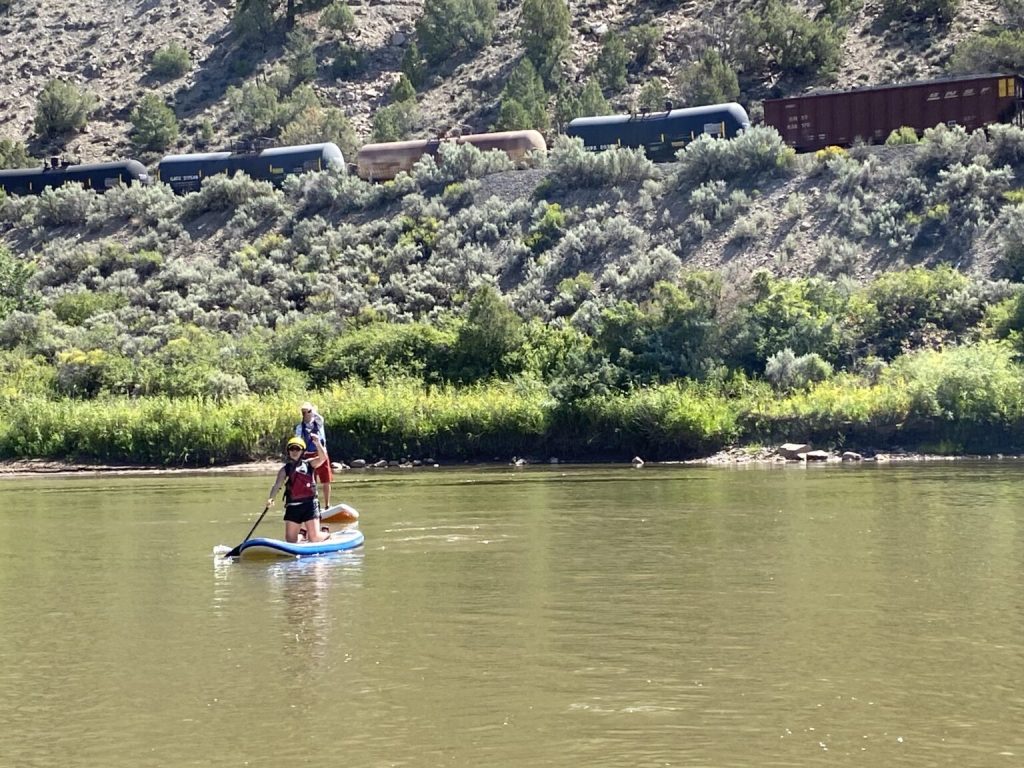
David O. Williams/Vail Daily
Eagle County has filed a second lawsuit seeking to slow the roll of increased oil-train traffic along the Colorado River through the northwestern part of the county.
The litigation challenges expedited federal approval of the expansion of the Wildcat Loadout Facility on U.S. Bureau of Land Management (BLM) land near Price, Utah, where heated oil tanker trucks can transfer waxy crude oil from the Uinta Basin oil fields to heated oil-tanker rail cars on Union Pacific’s tracks. The oil is too thick for pipelines.
By approving the expansion and conversion to oil of the Wildcat Loadout, an old coal-loading facility, under the auspices of a Trump administration’s “energy emergency”, Eagle County alleges the federal government violated the Federal Land Policy Management Act (FLMPA), National Environmental Policy Act (NEPA) and the Administrative Procedure Act (APA).
“BLM arbitrarily reversed its commitment to provide an opportunity for public participation in the agency’s decision-making process for the Wildcat Facility Expansion in violation of FLPMA, NEPA, and APA,” reads the lawsuit, which was filed March 26 and first reported by Trains.com. It states the BLM, in 2023, had committed to a public process with opportunity for comment.
Since 2023, the Wildcat Loadout expansion has been viewed as an alternative to the 88-mile Uinta Basin Railway, which Eagle County also challenged in court along with several environmental groups — a case that made it all the way to the U.S. Supreme Court. Wildcat opponents say it would achieve up to 75% of what the railroad spur aims to transport.

Support Local Journalism
By the end of August, 2023, Eagle County had spent nearly a half a million dollars in legal fees, paying the Denver-based law firm of Kaplan Kirsch & Rockwell nearly $450,000 since 2020. In its latest lawsuit, Eagle County is seeking reimbursement of litigation costs and legal fees, and officials did not have an update on that spending since August 2023 at press time.
By using what are called “Alternative Arrangements” to approve the amended railway right-of-way that allows for the loadout expansion, Eagle County argues the previous comments and assertions it made in the case have essentially been thrown out without consideration.
“The county urged BLM to consider the increased risk of accidents, derailments, wildfires, and oil spills that could devastate public lands, critical water sources, including the Colorado River, and nearby communities who would endure the increased daily traffic of oil trains originating from the Wildcat Facility,” the Eagle County lawsuit reads.
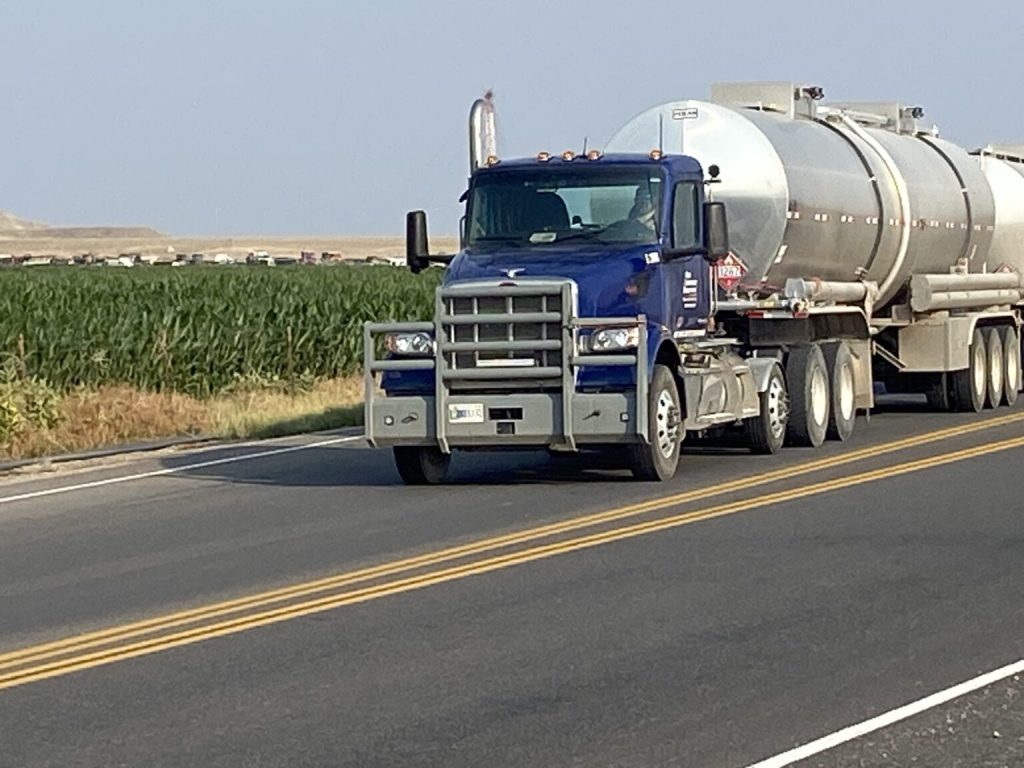
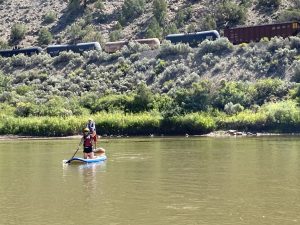
The Uinta Basin Railway would increase oil-train traffic to 350,000 barrels a day on five, two-mile-long trains — up from the current level of about 90,000 barrels of waxy crude a day that is being trucked to refineries in Salt Lake City and also to the main Union Pacific railroad near Price and Helper, Utah. Two to three oil trains a day are already navigating the remote reaches of Eagle County along the Colorado River between Dotsero and Bond.
Following last year’s U.S. Supreme Court decision narrowing the scope of federal environmental law blocking the multi-billion-dollar project, the Uinta Basin Railway is back on track, proponents say, although they add the proposed 88-mile rail line has nothing to do with the Wildcat Loadout facility.
“We are not involved with the Wildcat Loadout; therefore, it is inappropriate for the railway to comment on the case,” a spokesperson for the proposed Uinta Basin Railway wrote in an email. As the railway project continues to work its way back through the review process, proponents maintain it will “strengthen regional infrastructure, create jobs, and expand access to critical energy resources. We remain committed to advancing the project responsibly, collaboratively, and with long-term community benefit in mind.”
Other oil and gas industry officials involved in the Wildcat Loadout expansion did not respond to multiple emails requesting comment on Eagle County’s latest lawsuit. A spokesperson for the office of public affairs for the Utah office of the U.S. Bureau of Land Management wrote in an email, “We do not comment on matters under active litigation.”
The Eagle County lawsuit alleges a “400% increase in the amount of oil transloaded from trucks to trains each day at the (Wildcat) Facility” if the expansion goes forward. The 75% increase of oil train traffic with the Wildcat expansion means more than 260,000 barrels of oil a day along the endangered Colorado River because the thick, waxy crude it too thick for pipelines.
The waxy crude, which is high in paraffin and good for plastics, must be kept heated through Colorado’s high country — around 100 miles of that along the banks of the dwindling Colorado River — en route to refineries on the U.S. Gulf Coast.
Eagle County is asking the U.S. District Court for the District of Columbia to declare the U.S. Department of Interior and the BLM’s use of “Alternative Arrangements” to approve projects unlawful and arbitrary and to rule the agencies also broke the law with regard to the county’s formal requests for records under the Freedom of Information Act, which went unanswered.
“The Trump administration will bend any law, endanger any community, risk any river to promote the polluting oil industry,” Center for Biological Diversity attorney Ted Zukoski wrote in an email. CBD was one of the litigants in a separate Uinta Basin Railway lawsuit. “Kudos to Eagle County for fighting back against a project whose purpose is to put hundreds of oil trains every year along the Colorado River, threatening accidents, spills, and fires.”
In discussing the cost of previous litigation, Eagle County officials have sought additional financial support from the statewhile simultaneously praising the efforts of other towns and counties along the line. In February, Colorado Attorney General Phil Weiser joined litigation challenging Trump’s energy emergency executive order, citing the Wildcat Loadout Facility.