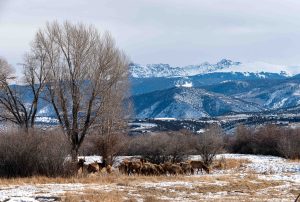
Elk on the range: Balancing human habitat with shrinking herds

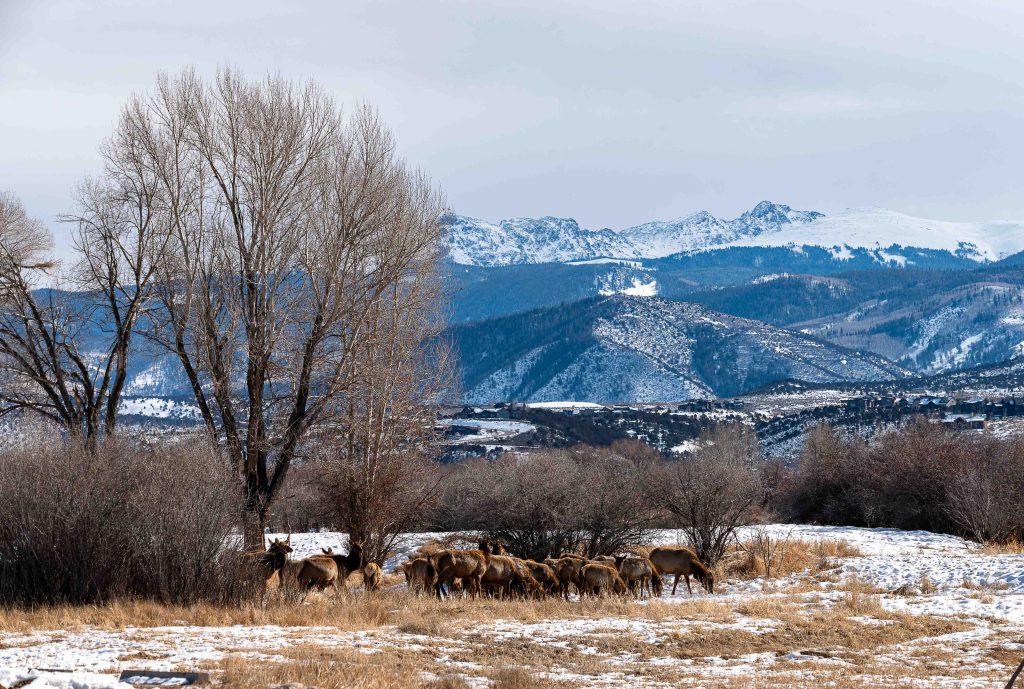
Ben Roof/Special to the Daily
On Oct. 16, his 50th birthday, freshman Eagle County Commissioner Tom Boyd wistfully remarked this was his first birthday since he was a 19-year-old college freshman that he was not deep in the woods elk hunting around his hometown of Vail.
What was he doing instead, besides talking to a reporter and former colleague from his days working at Vail’s first newspaper, the Vail Trail? Fulfilling his duties as commissioner, which these days involves a lot of wrangling over human habitat as a member of the three-person board that governs the unincorporated areas of a sprawling county of nearly 1,700 square miles.
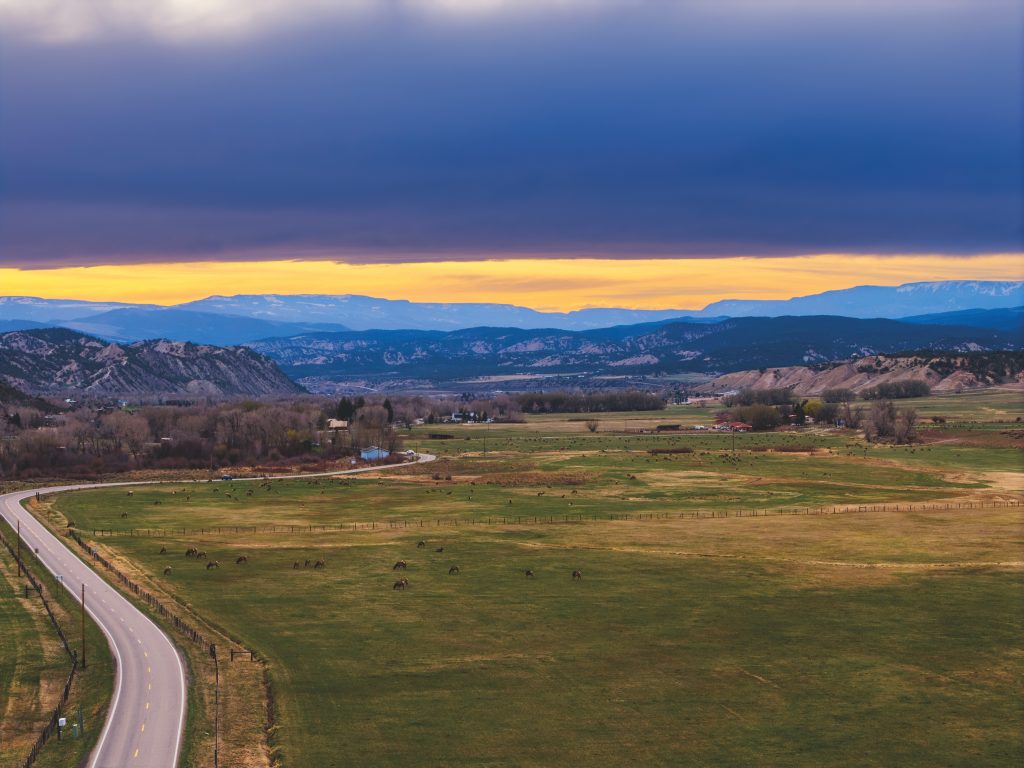
Obviously an avid hunter, Boyd, the son of ski patroller and a librarian, grew up in Vail when it was still making its mark on the global ski scene, surrounded by U.S. Forest Service and other forms of federally protected lands (at least for now) that account for more than 1,400 of those square miles. He’s always known that when more than 80% of your county is owned by the people of the United States, the remaining private land will see contentious debates over development, and the voices least likely to be heard are those of the local elk he loves to hunt.
“This is the number one issue for me. This is why I pursued becoming a county commissioner,” said Boyd, who admits he likely would have had a longer birthday elk-hunting streak if he hadn’t been at Vail Mountain School in the Octobers of his youth, where he played soccer, skied and explored the backcountry with the likes of future Denver Mayor Mike Johnston. When it comes to balancing elk and human habitat, Boyd wishes he’d known then what he knows now.
“If I could go back in time, I’d go back to 1990 and I would change the way we grew from that time forward,” Boyd said of sprawling single-family home developments that pushed up into wildlife habitat high above the valley floors, with little thought at the time about housing for the working-class folks, middle managers and young professionals a booming resort county would need down the line. When people complain about growth now, he says, it’s more about change.

Support Local Journalism
“It’s not really growth; it’s that we’re coalescing in our urban centers now, while the real estate that people like my mom and dad used to live in is owned by people who it’s their third and fourth home and they visit two weeks a year, or they have been invested in this community a long time and this is where they want to retire,” Boyd says. “None of that’s wrong; all of it’s great. It’s just that as we move forward, we’re going to have to keep working on creating a balance in the economy because we can’t just keep building like we used to … we’re literally running out of room. But also, we can’t if we want to protect our elk herds, our pine martens and all the things that make the mountains special.”
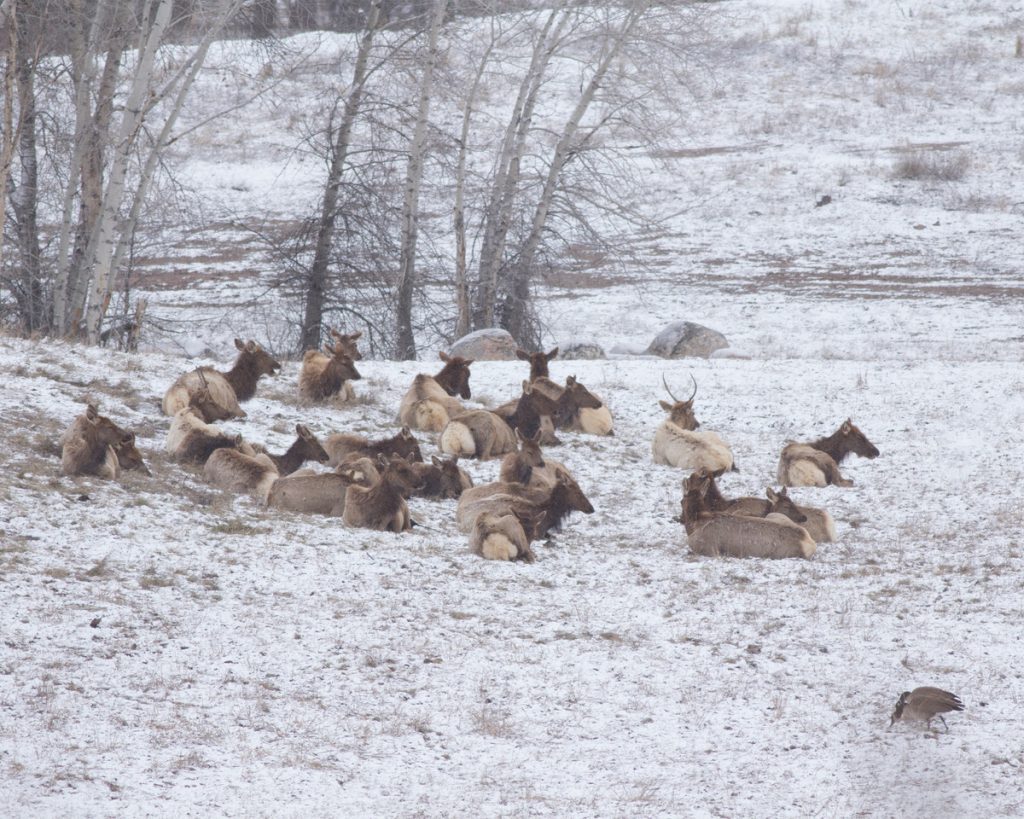
Asked to anecdotally describe how elk herds have changed since the 90s, Boyd said it’s hard to assess during rifle season because there are so many more hunters pulling tags and bow hunters, whose season comes earlier, tend to chase the elk onto private ranch lands where they feel less pressure. But he concedes there are fewer elk today than there were when he first started.
“The herd I hunt has probably been decimated, and I mean that in the old Roman sense of the word,” Boyd said. “How many elk are still out on the public land? It’s just many, many fewer elk.” But he adds that the health of the herds has improved in recent years.
“So we have a really aware community that I think woke up to this issue between 2006 and 2016. There was a reckoning, and in the past 10 years the work that’s being done is really important,” Boyd says, crediting Colorado Parks and Wildlife for effectively managing the herds, an increasingly educated hunting community, and a very cooperative ranching community.
Colorado Parks and Wildlife officials don’t track the exact numbers of animals on the landscape, instead conducting annual flight surveys for deer and elk to estimate populations. Then, through CPW herd management plans, officials establish population goals based on available habitat and public input.
“As we see with any wild animal population, (they) can increase and decrease due to weather, shifts in migration patterns, changing habitat conditions and pressures related to human activity,” CPW officials wrote in an email statement. “For these specific herds (in Eagle County), we did see a drop in population in the early to mid 2010s due to a variety of factors such as development, increased recreation and changes in climate.
“As habitat quality and availability decreased,” officials added, “(We) increased hunting pressure and harvest to keep herds numbers comparable to the habitat. In recent years, CPW has recognized an increase in the population size of these herds and continues to augment management strategies to keep herds healthy.”

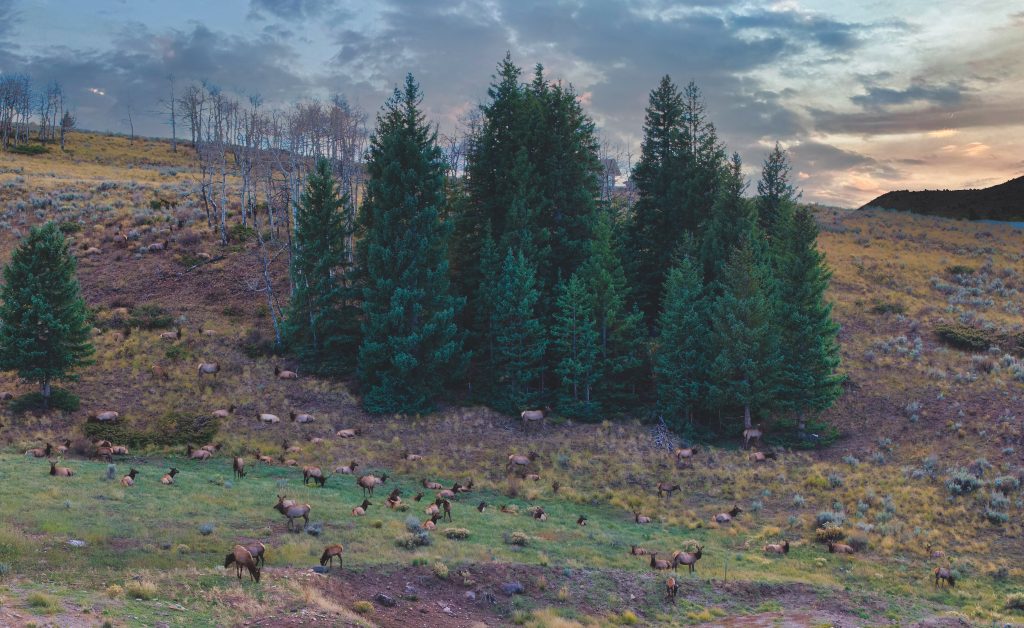
Boyd says it’s important to maintain a wide variety of open space, including on the valley floor where the herds must winter in heavy snow years. He’s optimistic going forward.
“The future for elk and wildlife in Eagle County is actually all right if we do things right, and it’s not terribly difficult to understand what to do here,” Boyd says. “We need to preserve and protect the habitat that surrounds our urban centers and try to make that land as contiguous as possible.”
Boyd lauds Eagle County’s open space tax that raises up to $7 million a year and has helped preserve large swaths of ranch land that is ideal winter range for deer and elk, and he wants to see better tools for encouraging less sprawl and more homes in already developed places.
“All we have to do is protect and preserve what’s going on in the rural areas of Eagle County, and then make it easier for infill redevelopment,” Boyd says. “The growth and change that happens inevitably just needs to happen in the areas where we’ve already developed. So we need to try and minimize that expansion of that human footprint.”
This story originally appeared in Vail Valley Magazine.