Explore two decades of Matisyahu’s work at Beaver Creek on Saturday
'An Evening with Matisyahu: Ancient Child Unplugged' celebrates two decades of his musical evolution
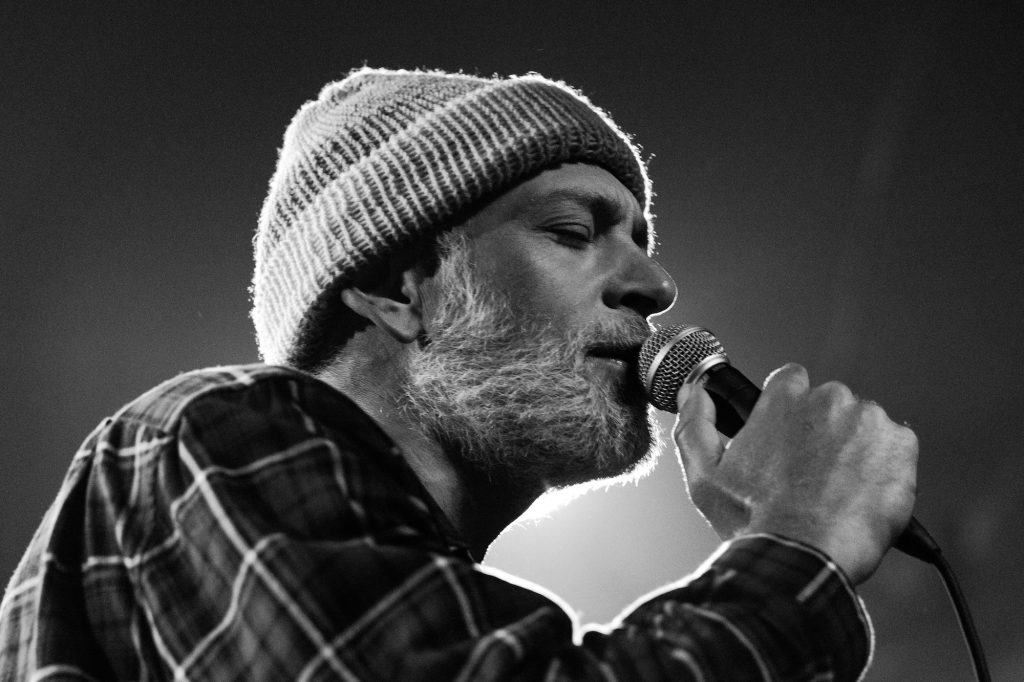
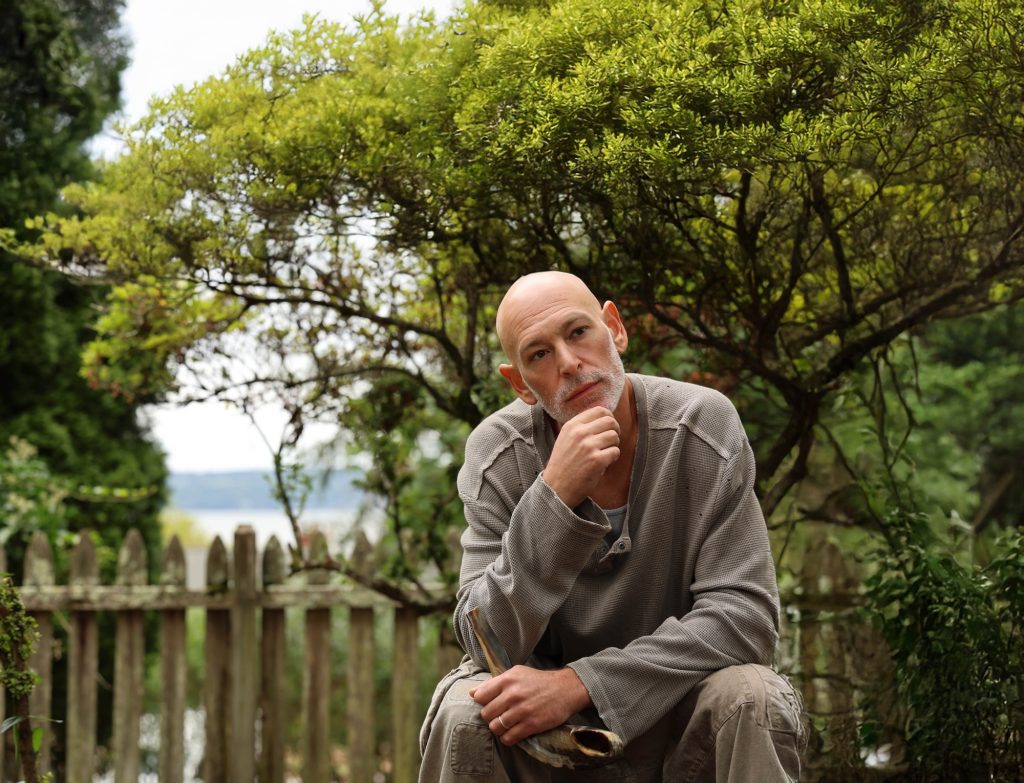
Vilar Performing Arts Center/Courtesy photo
Matisyahu celebrates his 20th anniversary of “Live at Stubb’s,” as well as his eighth studio album, “Ancient Child” at the Vilar Performing Arts Center in Beaver Creek on March 21.
Described as “tremendous, Zenlike and enlightening” by the Miami New Times, Matisyahu began predominantly as a roots and dancehall reggae artist (the latter which greatly influenced his vocal style), but throughout his career, his music has evolved, while still reflecting a reggae vibe. After his first roots-reggae record, he came out with “Live at Stubb’s,” a mishmash of rock, rap and reggae. Since then, he has fused genres, sometimes leaning more toward reggae while other times incorporating rock, rap and more.
“When you hear ‘King Without a Crown’ and stuff, you’ll hear the regular accent and all of that. And then as I got a little bit older, I started to find my more unique voice or my more core voices — or just different voicings. I learned how to use my voice differently,” he said, adding that he’s always listening to new music — with the exception of Phish — as opposed to music he listened to early in life. “But when I go to my Spotify, and I look at my age of what my music I listened to, it plugs me in, as (if I’m) 19 years old (or a specific age). I listen to Phish all the time when I run and stuff like that. But otherwise, I’m constantly listening to new music, new artists and new genres and looking for inspiration from newer and younger artists. So I think that keeps my music evolving.”
He never learned to properly play an instrument, but beatboxing came very naturally. He began using it as a tool to express himself, along with looping and other effects.
“I’m able to layer a lot of different instruments, like bass and drums and guitar, just by using my mouth and my wind and my body,” he said. “It’s a lot of fun, and I like collaborating with musicians (in a full band). It allows me to step out of the role of being a front man and dance and sing and connect with the audience and be more musical in a way.”

Support Local Journalism
For this show, he accompanies a guitarist and keyboardist while providing the rhythmic grounding of bass and drums through his looping and beatboxing.
He wrote songs from his latest release, “Ancient Child,” a few years ago through collaborations with groups of people, five or six in a room — the most he’s ever collaborated with.
“Oftentimes with albums, I’m working with one producer or just the band, but in this case, it was different writers all the time, different producers,” he said. “It allowed me to diversify a little bit more, even more my sound and my style. It’s been really fun performing the songs with a full band and also in this setup where I have to try to learn the drum beats and the different parts and recreate them with the beatboxing.”
The multi-collaboration isn’t quite new; he wrote his 2012 release, “Spark Secret,” with only one producer, so the album had a very specific and coherent sound throughout; still, he wanted more.
“It was such a shiny, kind of pop sound (that) we wanted to give it some Jewish roots. So we literally went to Israel, and then we had musicians come through a studio all day long, day after day, and we laced the entire album with Middle Eastern instruments (which) gives it the feel that it has,” he said. “But in ‘Ancient Child,’ over the course of one year, if I was in Seattle, I would work with a producer there, or if I was in New York at home, I would have multiple producers or writers come over to the house, and then if I was in LA, I would work out there — every day with a different producer and different writers. Track to track can be very different. It could feel very disjointed, but in this case, I feel like all the songs work well together. I also split them up between a couple of projects, so some of them are an EP called ‘Hold the Fire.'”
Though he wrote the songs when he had a variety of different experiences years ago — post-pandemic, remarried with young kids, drinking and having lost motivation for his spiritual practices — he feels they still resonate.
“I had sort of taken a break from religiosity and from Judaism completely; to be honest, I was sort of at peace with that but feeling like at some point maybe I would return to it or dabble with it again. I just felt like I wanted to be American or something — barbecue and drink beer. I don’t know what came over me. I started with White Claws during COVID, and I basically became an alcoholic and for about five years. I was writing these songs, and it wasn’t all bad. I was living my life as a pretty functional alcoholic, and then (Hamas’ attacks) Oct. 7th happened, and all of a sudden I became a voice for a lot of Jewish people. I found the calling again. I just felt myself step into this role of being a leader — and not just a reggae singer or something like that. It came from within.”
He stopped drinking after attending a show in Mexico, partially inspired by Phish’s Trey Anastasio — who has been sober since 2007.
“I was watching Trey, and I was thinking about his sobriety and I was like: ‘Wow, that’s the ultimate act of love and giving for an artist, to give up their own crap so that they can be the best at what they do and continue to give for years and years.’ That really dawned on me. It was something that I obviously thought about over the years, but it just hit me hard in that moment.”
He quit drinking, began jogging and praying and tapped into his Judaism again.
“I wrote these songs in three very different places in a five-year span of time (from) the beginning (of life changes). I’m performing them live now for the first time in this trio-beatbox setting. And every single word that I say feels completely 100% in touch and in tune with what I feel about myself and the world in front of me today. Every word, every lyric I’ve ever written on every song rings true for me, from every phase that I’ve ever been through. I don’t know why that is, but it is.”
Raised in Judaism, he has spent much of his time studying Hasidic Judaism, Kabbalah and Jewish mysticism and incorporating that into his music, combined with his own life lessons. Prayer has been the main thing that drew him to Judaism.
Then he took a bit of detour, writing about being in relationships as a husband and father and less about things he found in the Torah and Bible.
“At this point now, I find myself feeling some more completeness with it all but with a different level of wisdom than I had at the time,” he said.
On March 21, which includes a live pre-show with local musicians Bonfire “Dubbed” in the lower lobby, audiences can expect quite a bit of improvisation, new songs and a few hits.
“The rest of the show is pretty exploratory, and it’s kind of spiritual,” he said. “It’s kind of stripped back; I’m also doing these beats and stuff too. So, it’s really got everything.”
What: An Evening with Matisyahu
When: 7 p.m. March 21
Where: Vilar Performing Arts Center
Tickets: $44.64 general admission; $67.24 reserved; VIP with signed poster, meet-and-greet photo and more can be added to order after seat selection; also part of Love for the Locals ticket, which includes a free beverage.
More info: vilarpac.org