‘Extreme’ fire risk in Eagle County has officials on alert
Eagle County's emergency management team encourages people to create evacuation plans, avoid starting fires

Chris Dillmann/Vail Daily
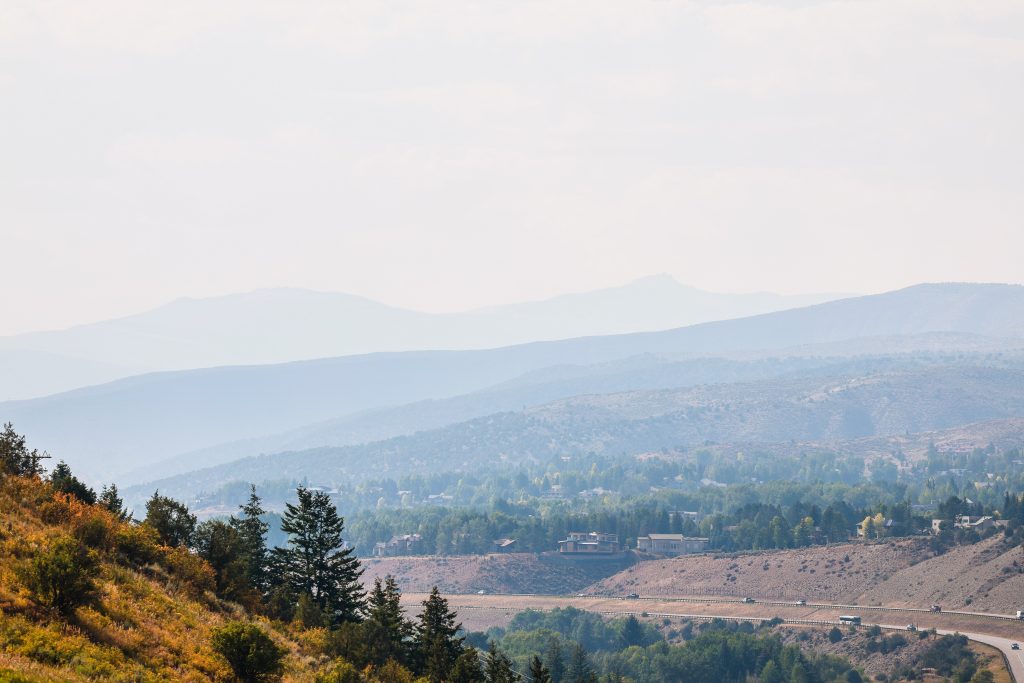
After a series of hot, dry, sunny days, Eagle County’s fire danger levels are extremely high.
The Lee Fire currently burning in Rio Blanco County has burned close to 120,000 acres, making it the fifth-largest wildfire in Colorado history.
“Nothing makes Rio Blanco County different from Eagle County at this point in time,” said Birch Barron, Eagle County’s director of emergency management, in a presentation to the board of county commissioners on Tuesday. “If we had (a fire) start here, it would spread and would become large very quickly.”
Eagle County is currently experiencing “severe” and “extreme” drought and “extreme” fire risk.
“Extreme” is the most intense category on the National Fire Danger Scale, and “extreme drought” falls one step below the most intense category (exceptional drought) on the National Drought Mitigation Center’s scale.

Support Local Journalism
While heading into summer, the snowpack was about average to slightly below average, the high heat and low precipitation that the county has experienced this summer have led to drought conditions.
‘Signs of drought all over’
This summer has been very dry compared to most summers. Signs of drought are evident throughout the county: Low water in the river, dry grasses and plants showing their fall colors in early August.
“We’re seeing signs of drought all over,” Barron said.
On Aug. 5, the Eagle River Water & Sanitation District’s Eagle River monitor at its Avon U.S. Geological Survey station measured streamflow below 100 cubic feet per second, a sign that the county is experiencing a severe drought.
A solid monsoon season would have bolstered the county’s moisture levels, but the monsoon did not reach Eagle County this year.
Many shrubs and aspen trees have taken on their fall colors, but the changes are due to a lack of water, not cold temperatures.
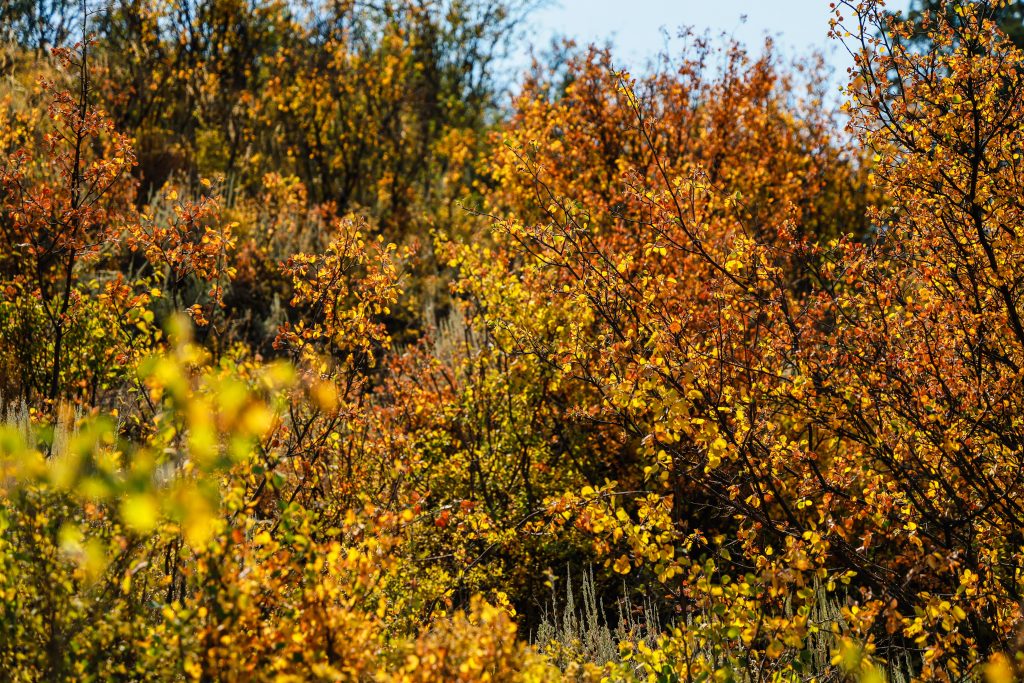
“Those are all signs of drought stress,” Barron said. “Those trees, bushes, fuels in our ecosystem are really, really struggling right now with the generally low amount of snow we got, especially at lower elevations, and now this really warm, dry summer.”
While just a couple of weeks ago, the fire danger was not as high due to a small amount of cloud cover and moisture, the hot, dry, sunny weather this week has pushed the county back toward a higher risk level.
Current fire risk is similar to 2020
Current fire danger levels are similar to the conditions in the past that have caused large, fast-moving wildfires in Colorado.
“We’re pretty much at those historical thresholds,” Barron said.
The fuel dryness levels at all elevations “are at or exceeding all-time record highs,” Barron said. “The last time we had anything that looked like this was 2020.”
Colorado’s three largest fires took place in 2020. That was also the year of the Grizzly Creek Fire in Glenwood Canyon, which burned over 32,000 acres and shut down Interstate 70 for an unprecedented two-week closure.
“This is not just data, what we’re seeing is this data translates to actual experiences in the field,” Barron said.
Avoid starting new fires, be prepared to evacuate
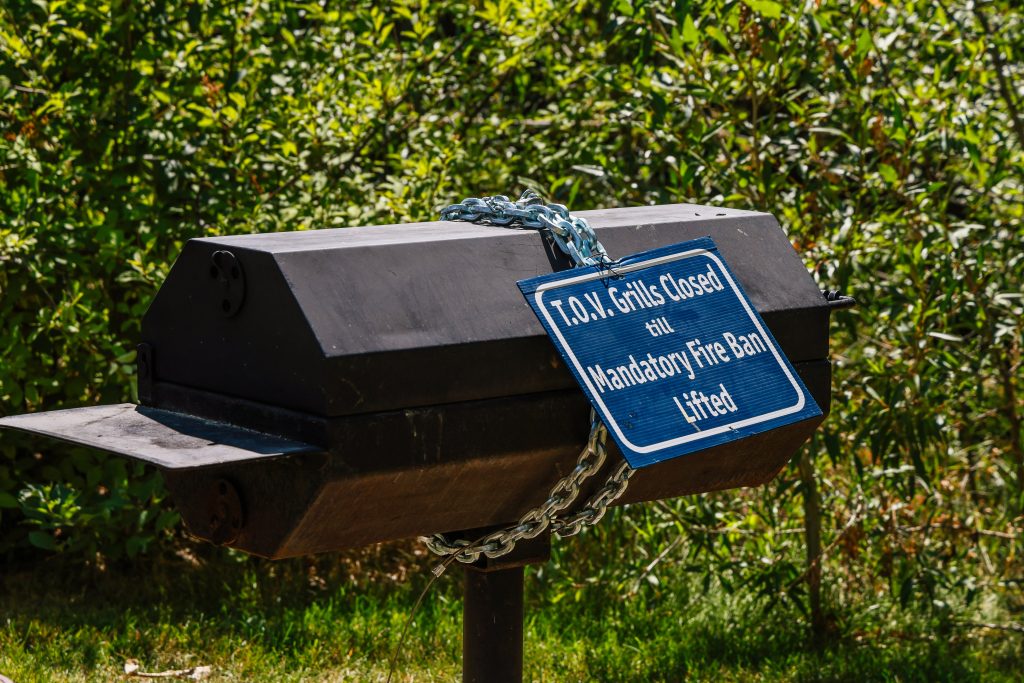
All of Eagle County entered Stage 2 Fire Restrictions at midnight on Thursday. While each stage of fire restrictions comes with its own set of rules, the bottom line is to avoid doing anything that can lead to a new fire start.
“People get overly fixated on the very specifics of ‘what am I allowed to do, what am I not allowed to do,'” Barron said.
“Most of our fire starts in this county and in this region are from things that wouldn’t be allowed at any point in time,” regardless of the fire restriction stage, like leaving smoldering campfires, throwing cigarettes out of vehicle windows onto dry grass, shooting tracer bullets at exploding targets and dragging chains on the highway, Barron said.
“At the end of the day, if it feels unsafe, I don’t care if it’s on this list or not, please don’t do it right now,” Barron said.
The Eagle County Sheriff sets the fire restriction stage based on advanced forecasts from the National Weather Service. Red flag warnings are put out with less notice because they are created when the National Weather Service gathers more information and can predict a particularly hot, dry, windy day.
Red flag warnings bump fire restrictions up one level for the duration of the warning, as fires typically spread most rapidly on days with red flag warnings.
Barron suggested that during red flag warnings, people “treat this almost the same way you would a pre-evacuation.”
“If we’re in a red flag warning, talk with your family about your emergency plans. Check your go kit. If you had to leave quickly, could you?” Barron said.
While “we do evacuation very, very well in this community,” there is no system that can evacuate people quickly enough in a no-notice evacuation if they do not already have plans in place, Barron said.
No end to fire risk in sight
The fire outlook over the next few months is variable, but current predictions show the hot, dry conditions continuing into the fall.
There is “nothing positive in the forecast this time,” Barron said.
The August through October forecast predicts above-average temperatures and below-average precipitation. “So not what we like to see, especially when we’re talking about wildfire conditions,” Barron said.
To learn more about Eagle County’s fire emergency plans, visit ECEmergency.org. Fire information is also aggregated on WatchDuty.org, a website that is not government-run. Those with questions about which activities are allowed under fire restrictions can contact the Eagle County Sheriff’s Office at 970-328-8500.