All fireworks, including sparklers, are illegal in most Colorado mountain communities this Fourth of July
Summit, Grand, Eagle, Garfield, Pitkin, Moffat, Lake, Chaffee and Park counties are among the counties that have Stage 2 fire restrictions in place banning all fireworks

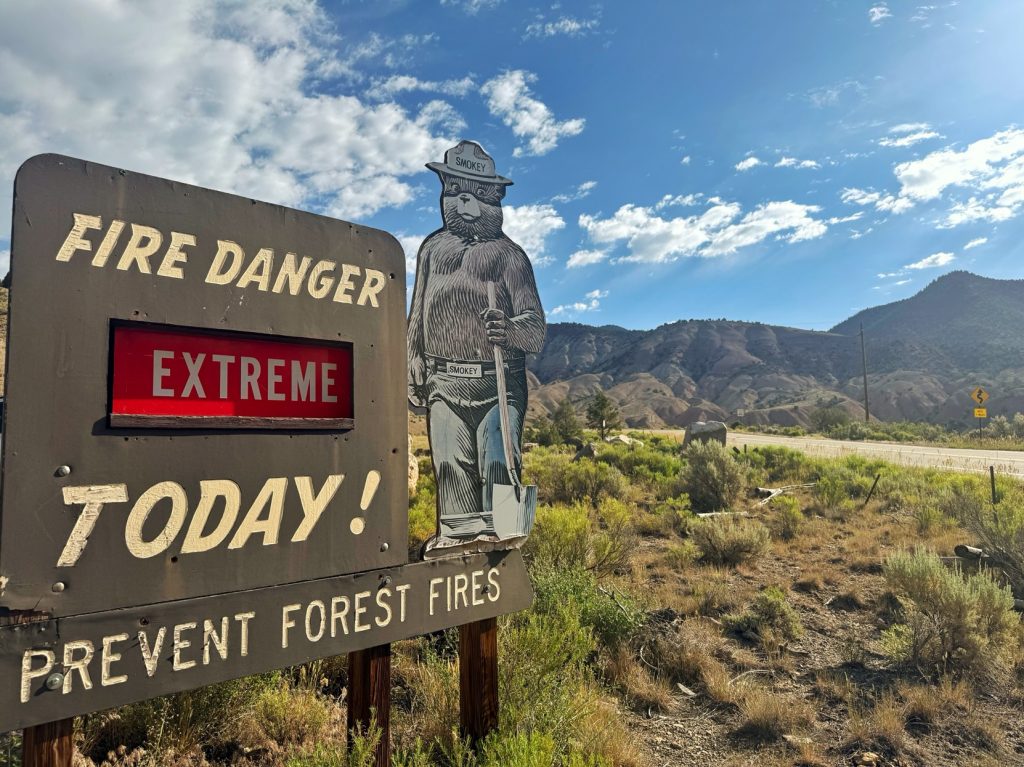
Ali Longwell/Vail Daily
Personal fireworks, including sparklers, are not allowed to be part of the Fourth of July festivities in most Colorado mountain communities this year due to the widespread drought and extreme fire danger.
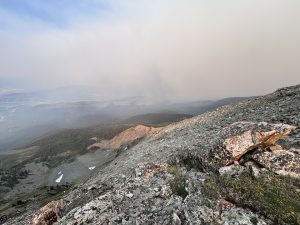
Wildfires are burning across the West, including six major wildfires in Colorado, after one of the worst winter snowpacks on record. As festivities kick off, officials are reminding those who are celebrating that state law prohibits many kinds of fireworks — and most communities have local fire restrictions in place banning all fireworks.
“Living in Colorado, we all know that there’s wildfire risk here,” said Chris Brunette, the chief of the Fire and Life Safety Section at the Colorado Division of Fire Prevention and Control. “About 50% of our residences are built in the wildland-urban interface. We want to make sure that people are still having fun, but we’re protecting them as they’re having that fun.”
Under Colorado law, it is illegal to possess or set off fireworks that make a sound when they explode or leave the ground. There are only a few select types of fireworks, such as sparklers, that are allowed under state law.
Colorado counties can also pass their own rules instituting stricter bans on fireworks, Brunette said — and many across the state have done so due to the high fire danger.

Support Local Journalism
More than 50 of Colorado’s 64 counties have instituted some level of fire restrictions, according to the Department of Fire Prevention and Control. Summit, Grand, Eagle, Garfield, Pitkin, Routt, Lake, Chaffee and Park counties are among the counties that have Stage 2 fire restrictions in place, banning all fireworks, including sparklers.
Summit County Sheriff’s Office Sgt. Mike Schilling emphasized the importance of abiding by these restrictions after several major wildfires sparked during the last weekend in June. The wildfires forced evacuations across the state and one burning along the Colorado-Utah border grew so quickly that it overtook five firefighters, killing three.
“That just drives home how serious the situation is for all of us and the risk we’re facing as a state as we move into this holiday weekend,” Schilling said. “As far as fireworks go, in Summit County, all fireworks are prohibited under the Stage 2 fire restrictions.”
Under Stage 2 fire restrictions, all campfires are also banned. Summit County has taken a zero-tolerance approach to violations of fire restrictions and has issued court summonses with misdemeanor charges for violations.
Schilling noted that setting off fireworks or having an illegal campfire is not only dangerous due to the high fire risk, but it can also tie up law enforcement resources during the busy Fourth of July holiday.
“Every time somebody lights off a firework or starts an illegal fire, people report that to the Sheriff’s Office — as they should — but that results in a deputy going out to investigate the situation,” he said. “A lot of this stuff happens in remote areas of the county. So, that can take a deputy off of our regular rotation on an already extremely busy weekend.”
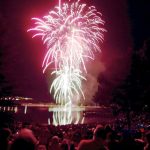
This Fourth of July, most mountain communities have also canceled professional fireworks due to the high fire danger, leaning into other activities like parades, live music, drone shows and more.
Violations of the state’s fireworks law are punishable as a petty offense. But Brunette noted that if a firework sparks a wildfire, it is possible the individual who set it off could be held “criminally and civilly” liable for the fire. So the best way to celebrate the holiday is to stay safe and follow local fire restrictions, he said.
“We’re one errant illegal firework away from starting a big fire under the windy and dry conditions we’re experiencing,” Brunette said. “We shouldn’t be in the position of relying on our first responders, who are already responding to many fires across the state, to put out a fire that shouldn’t occur in the first place because we’re using illegal fireworks.”