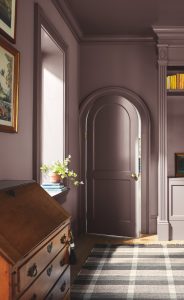
Sick of having dirt from the outdoors dragged inside? Here’s how to design a mudroom.

Kit Geary Follow
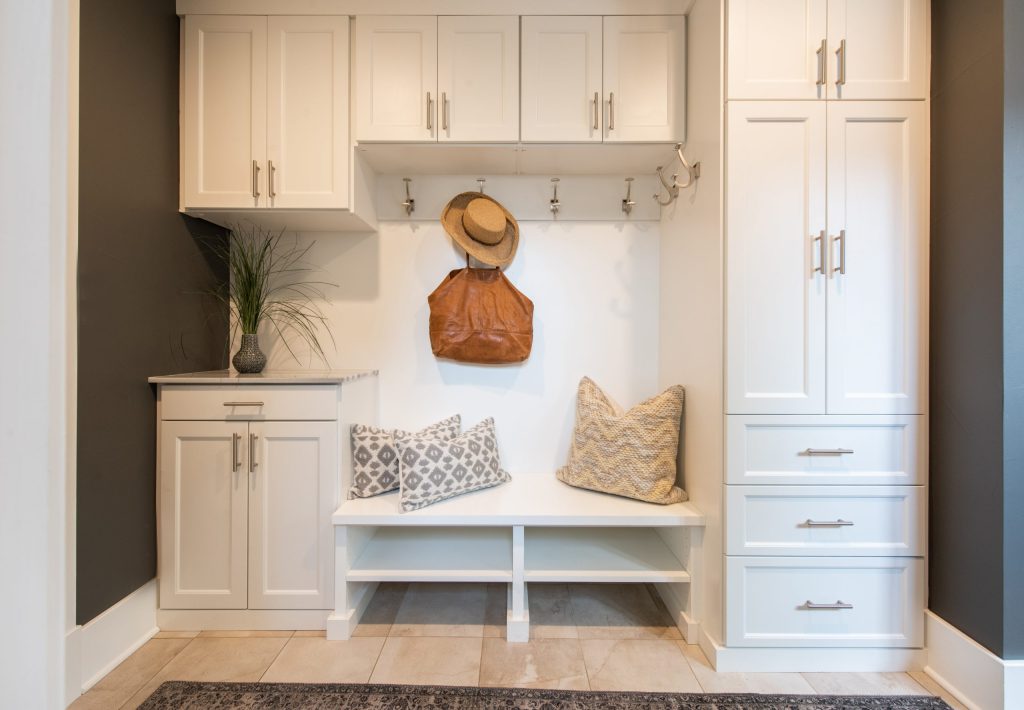
Closet Factory/Courtesy photo
Mudrooms are the buffer zone between the outdoors and your home. If done well, they should be able to contain the dirt and snow dragged in after skiing, mountain biking, climbing, or any of the beloved outdoor activities.
Dana Smith, a senior designer at Closet Factory, said mudrooms are one of the most customizable aspects of a home because they can look different for everyone. She and other designers say a crucial first step to creating a mudroom in either an existing home or a new build is understanding a client’s lifestyle and habits.
Smith said before starting with the design process, she’s asking questions like how many kids a family has, if they have pets, if they have a lot of guests, what type of activities they partake in, and what their goals are with this space. She also asks how the client envisions using the space. Will they be using it to store keys and set down groceries? Will they be using it to house all the children’s outdoor clothes and gear?
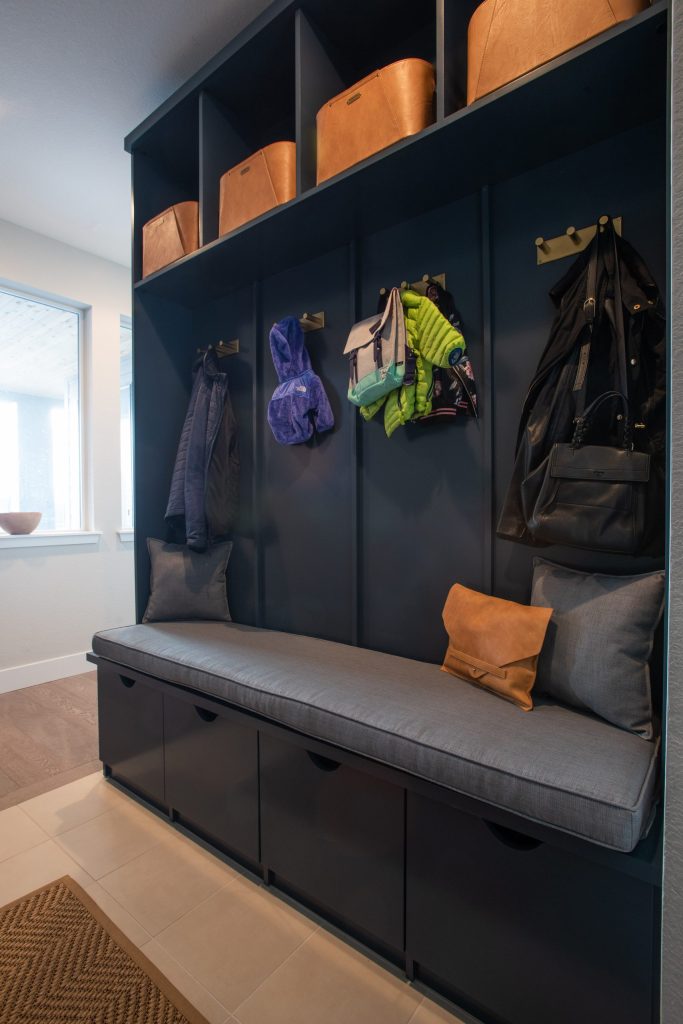
Planning isn’t done once the function of the space is determined, she said, because the design is mainly contingent on the mudroom’s location.
She said she’ll approach the design process differently depending on whether the mudroom is attached to a garage. She said a garage serves as a buffer itself and might catch some of the muck being dragged in before the mudroom does. When the mudroom is the first place people encounter when entering the home, it might be used differently than if it were attached to a garage.

Support Local Journalism
“When it’s by the front door, it’s more a hallway piece and so that is definitely something you usually try to blend in with the theme of the home,” she said.
She said this can create a situation where the goal is more aesthetic than functional, which is what some people are looking for. She said some clients want a space with custom stained-wood cabinetry consistent with that of the rest of the home and only a few storage mechanisms to avoid overcrowding.
Summit Design Project Manager Bryan Gustafson said that more often than not, clients come to him looking for a mudroom with a more specific use.
“For Summit County, it’s usually a place for ski boots and jackets and, you know, boards and skis and gloves and that kind of stuff,” Gustafson said. “Sometimes it’s a little different, but that’s 99% that’s usually what it is.”
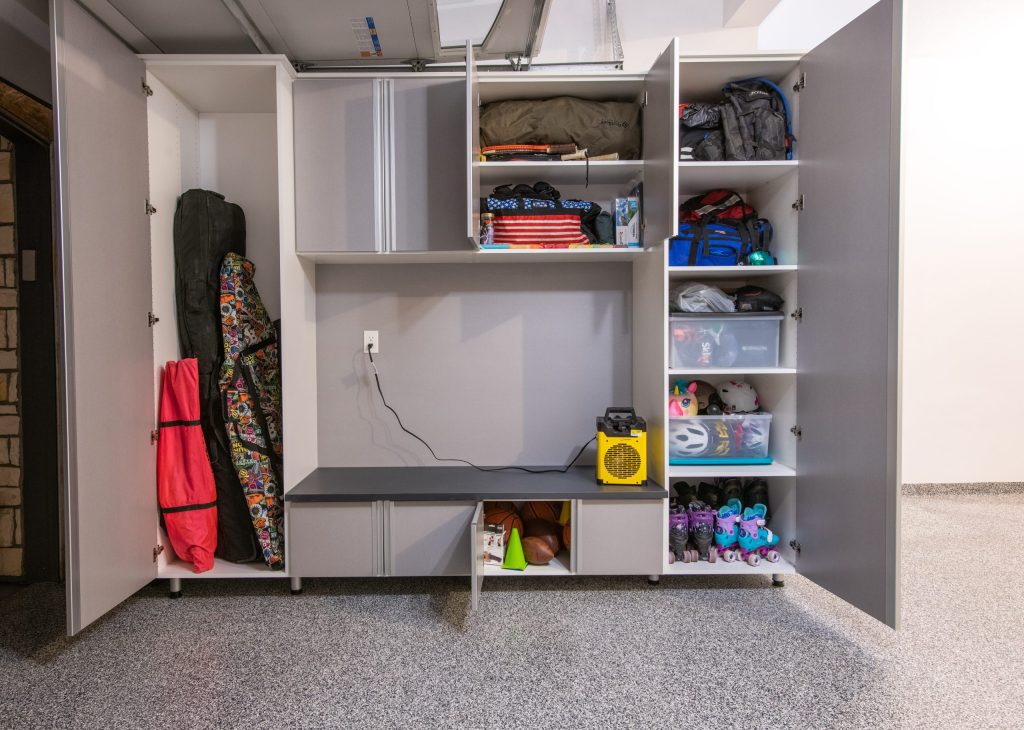
He and Smith say mudroom ski lockers are a popular request in the High Country, particularly among those who might not have much garage space. Gustafson said ski lockers are typically a storage space with more height, helping contain ski gear to one area in your house where you know they are safe.
Blue Valley Ski Rentals owner Jeremy Esch said bringing skis, snowboards and boots inside can make a difference in the product’s shelf life. He said the extreme cold can mess with the plastic on bindings and boots and that it’s also important to dry off the skis and separate them when storing to avoid rust build-up.
Smith said there are a lot of great products, like hooks and shelves, on the market not to make ski lockers feel imposing.
Gustafson said that because of skiing’s popularity and the frequency at which many residents do it, durable bench material in a mudroom can make a difference. He said benches can undergo a decent amount of wear and tear from people taking off ski, snowboard or hiking boots on them and just from placing wet or dirty material on them. He typically suggests using natural stone, such as quartz, for benches.
Smith said there are many materials people can choose that are easier to clean and help maintain the feel of an organized space. Smith typically recommends tile flooring or something with a hard laminate surface. She said the goal is to use a flooring material that isn’t too susceptible to water damage or scratch marks.
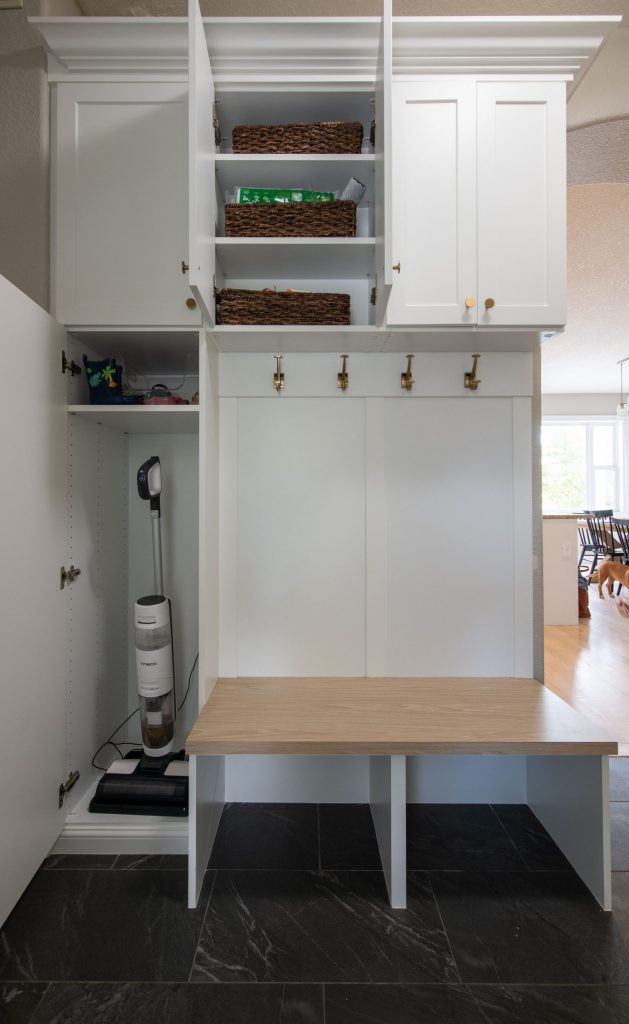
For those with young kids, she typically nudges clients toward a more open concept with fewer drawers and cabinets in a mudroom that could be slammed shut.
She said there are adjustable shelves on the market that can be stored more discreetly for those who feel they need cabinets or drawers.
For those with dogs, she said something clever she’s had clients do is create a locker for the dog to keep items like leashes, vet toys and vests out of the way.
Kit Geary can be reached at kgeary@SummitDaily.com.