What are hunting seasons and limited tags, and why do we need them in Colorado?
Curious Nature
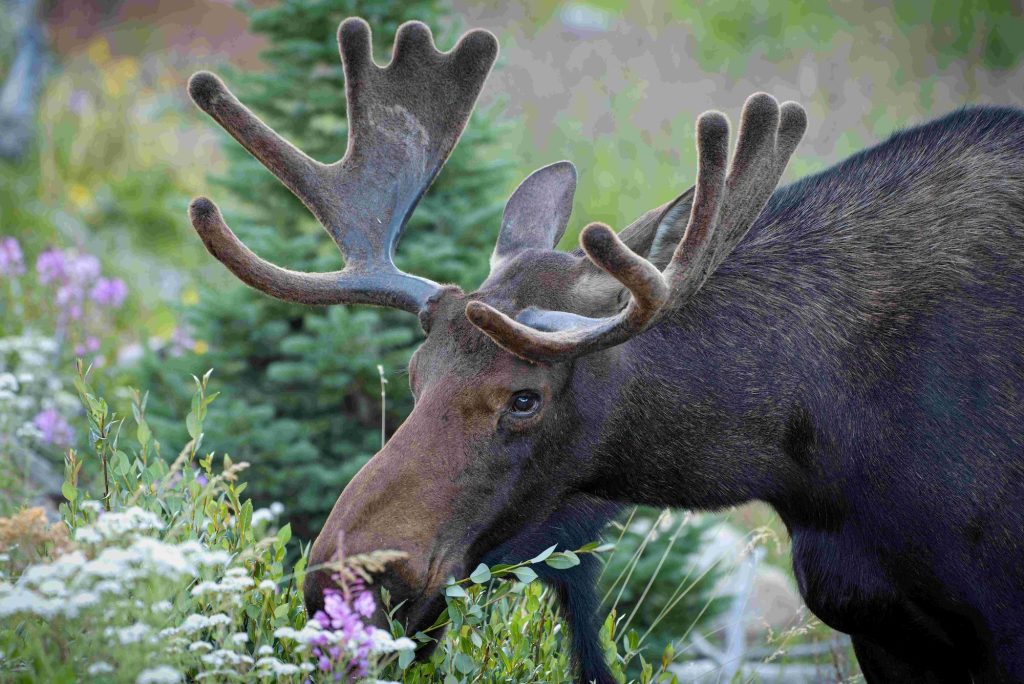
Adobe Stock Image/Licensed by Walking Mountains Science Center
Most of us agree that maintaining a healthy ecosystem is important, but when it comes to big game hunting, what does that entail? One important way in which land managers shape our ecosystem is through hunting management.
By limiting when, where, and which animals can be hunted, we fund conservation and keep animal populations healthy — that is, where we want them.
We use hunting licenses and tags to keep populations at a level we consider sustainable, preventing overpopulation while protecting our game species from overhunting. If we did not hunt at all, animal populations could grow too large for their habitat. If we had unlimited hunting, it is possible that we could overhunt and cause an imbalance in the ecosystems around us. Limited tags restrict the number of big game animals that can be harvested in a season.
Each tag comes with stipulations. There are restrictions on the location and the weapon used to hunt. They can be tailored by wildlife managers to target specific age classes or sexes within a population. Agencies might issue more tags for antlerless deer to help control overall population numbers, or fewer tags for mature bulls to allow them to contribute to genetics and herd health.
Every tag is also specific to a season. Hunting seasons are timed to avoid an animal’s breeding and birthing cycles. This ensures that new generations have a chance to grow and contribute to the population before being harvested, promoting a diverse gene pool and healthy reproductive rate.
Support Local Journalism
Consider elk, who rut in the fall. In early September, the males start bugling to attract a mate. Generally, only the more challenging hunting methods — archery and muzzleloaders — are allowed during this time. Rifle season usually opens in mid-October, just after the rut, giving the males time to impregnate females. This also ensures that hunting does not overlap with when females are birthing.
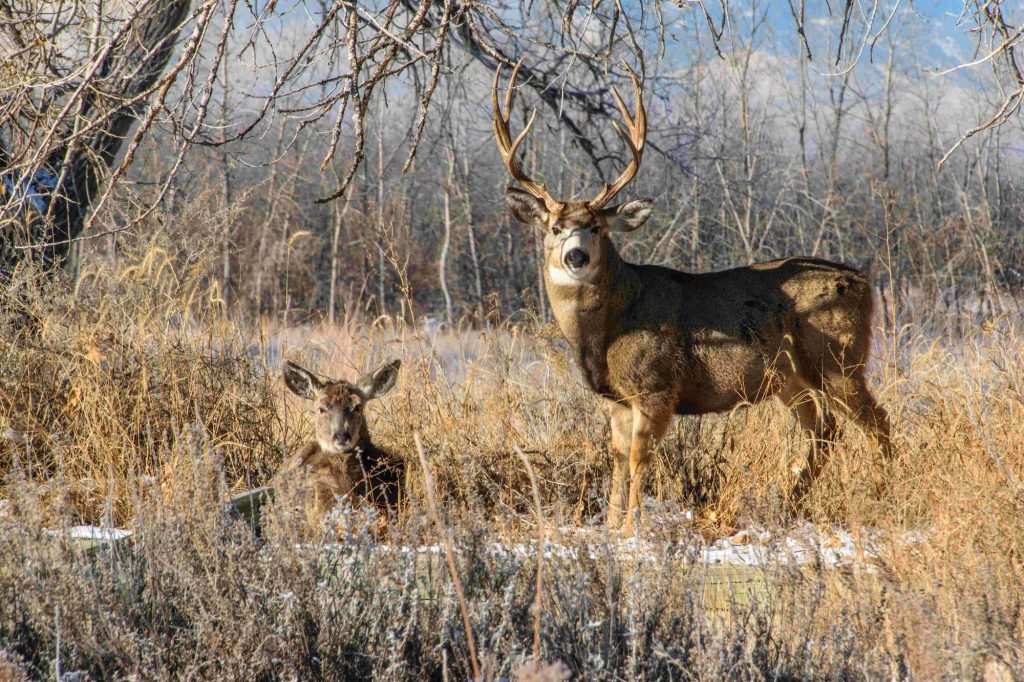
Hunting tags and seasons maintain healthy populations of game animals, but what counts as a healthy wildlife population? When we say “healthy” population, we’re actually referring to what humans deem to be a good number of animals. This is where science and values collide: once we have considered human uses of the land — housing, infrastructure, agriculture, recreation, etc. — wildlife biologists determine the habitat’s capacity to support wildlife.
Scientists at Colorado Parks and Wildlife perform population surveys to make decisions about how many animals need to be harvested, which age and sex to target, and how many hunters will likely harvest an animal.
Hunting is also a major source of funding for conservation. For big game in Colorado, hunters need to buy a license and habitat stamp, entry into a lottery, and a tag if they draw. The revenue generated from hunting goes directly back into wildlife conservation programs. This funding supports habitat restoration, research, law enforcement, and other initiatives that benefit all wildlife across the state. While this is a logical use of funds, it is important to ask ourselves how this system affects wildlife management decisions. When we manage wildlife, are we always doing what’s best for the ecosystem, or just serving people?
Asking such questions is crucial to having an honest conversation about conservation in Colorado. When regulated well, hunting is a critical tool for population control of big game species as well as a reliable generator of conservation funds. Hunting seasons and limited tags can maintain healthy populations of game animals while balancing ecological needs and human interests. But what does it mean to balance ecological needs and human interests?
Shea Stone is a Naturalist at Walking Mountains. She takes pride in spreading awareness of ecological issues and enhancing environmental literacy in her community. She is pursuing a career in ecological research and has fallen in love with the Rockies during her time here.