Salomone: Meaty morsels for September

Michael Salomone Follow
Michael Salomone/Courtesy photo
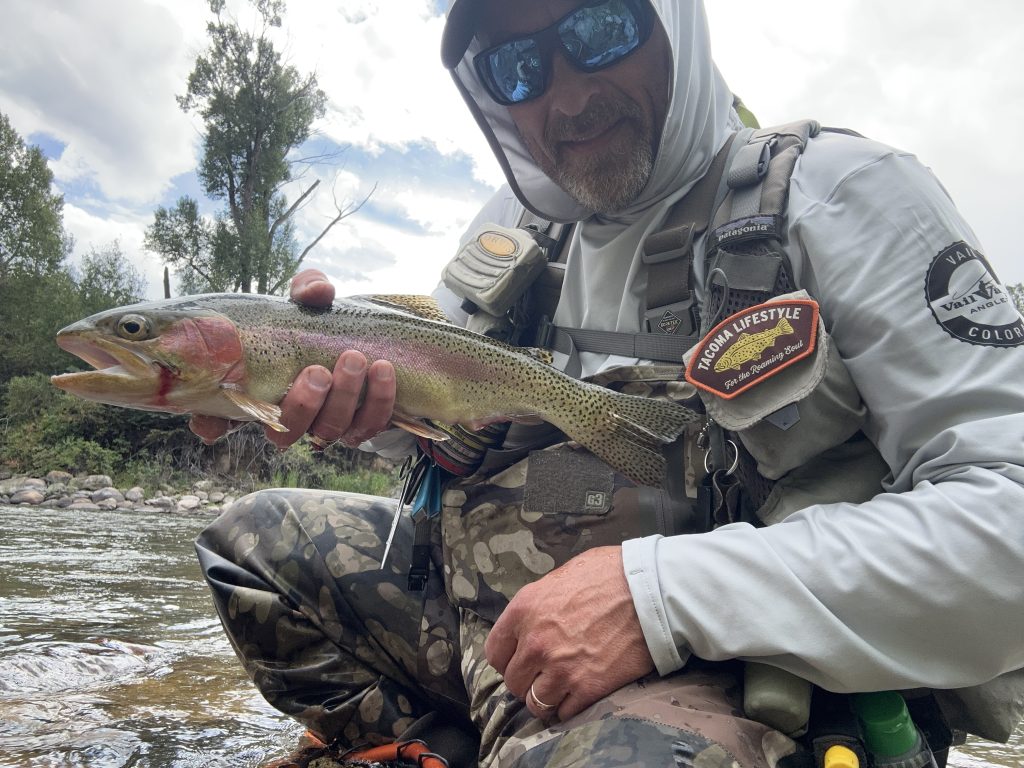
September delivers cool nights and a change in the bugs that have been so prevalent for months. Hatches are waning, with some bugs already gone. Big protein offerings carry an attraction to large trout feeling the onset of things to come. Winter can be a long wait for a fish that thrives on the bite-by-bite sustenance summer provides. The crowded smorgasbord of insects that have given trout a chance to fatten up for winter are being replaced with early-autumn options that represent a larger piece of meat.
Grasshoppers are meaty morsels to trout. A chubby chernobyl fly has the silhouette of a grasshopper that trout smash along the bank. Hopper-specific patterns work effectively, too, but there is something about a chubby that really gets trout excited.
Beetles are nondescript flies that float unnoticed by anglers. Cool weather puts all kinds of beetles on the move. Unintentionally, beetles end up struggling in the water. Dark-colored beetles are a burden to follow and keep track during a drift. But paired up with a highly-visible fly — such as a grasshopper — and the two create a deadly terrestrial offering trout can’t refuse.
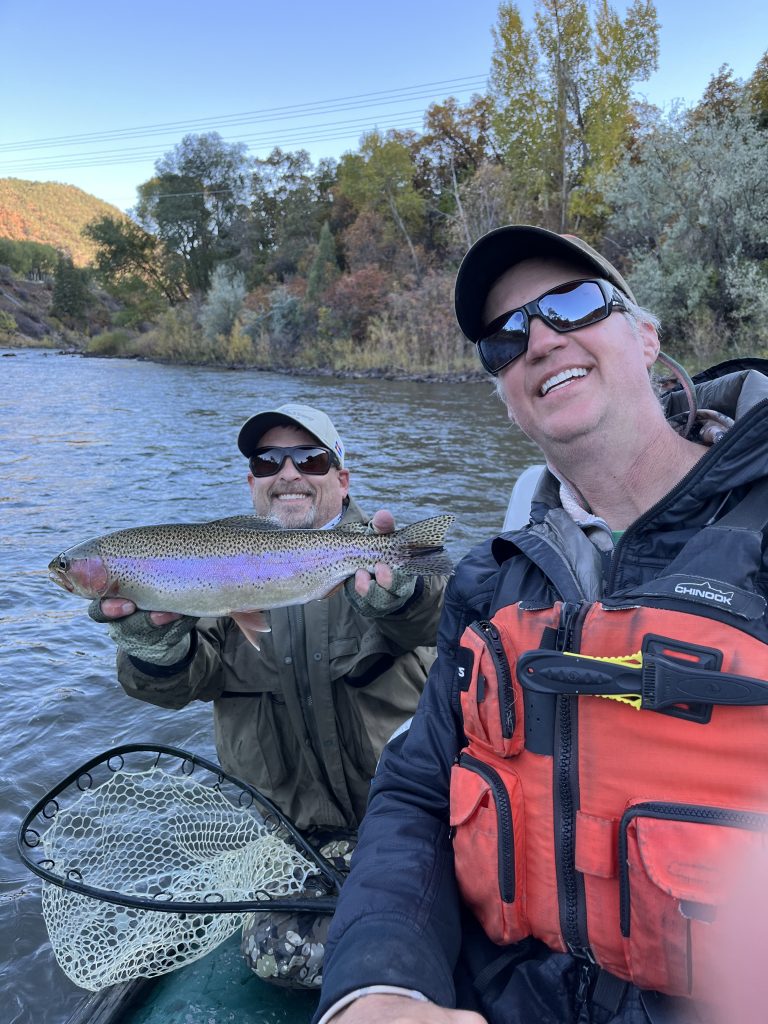
Ants get special attention from trout in early fall. Upsizing your ant flies is a good idea for a variety of reasons. Larger ant patterns have increased visibility wherein trout more easily recognize the bug as not just another little insect on the surface but a tantalizing morsel that can’t be denied. From an angler’s view, a larger-bodied bug with a fuzzy wing provides increased indication of where the bug is during the drift for more easy tracking. Winged-ant flies are a personal favorite. Lastly, with the onset of autumn, a larger footprint on the surface draws attention from trout keyed into more substantial feeding opportunities
Ants are another insect that does not belong in the water. The struggle a drowning ant performs draws almost aggressive strikes from brown trout prepping for their autumn dance. I’ve never eaten an ant. I have watched clients execute a lackadaisical cast and the wind blows their fly feet off the bank and trout will move a tremendous distance to capture the fly — so, they must taste good.

Support Local Journalism
Large caddis patterns work in broken riffle water that otherwise would drown a dry fly or be too small to keep track during the drift. October caddis is a name for a large, orange-bodied caddis that emerges in the fall, not necessarily a caddis that is only in October. It is kinda like the Mother’s Day caddis — caddis don’t have calendars. The bugs emerge when the conditions are aligned. Typically the autumn caddis appear during conditions prevalent during October.
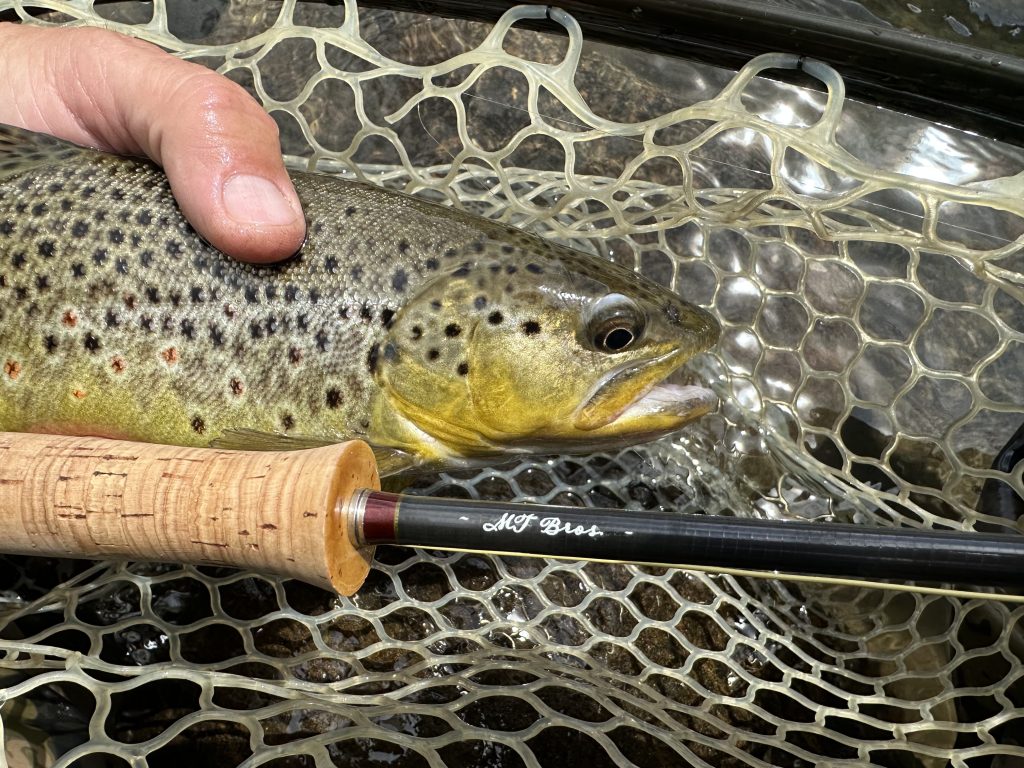
The nymphs are scattered in the river water, making larger — size 16-12 caddis nymph — an effective subsurface choice. The nymphs hold a distinctive creamy orange tint, so leave the chartreuse caddis nymphs in your box. However, the same style patterns only with a light orange body such as a LaFontaine’s Sparkle pupa will perform well.
Presenting your big caddis dries, beetles or ants in the shoulder water between the main current and the bank is an effective approach. Drop an orange bodied X-caddis behind and watch for slashing strikes behind your dry. Big Elk hair and large Goddard’s caddis patterns will work on the surface.
Streamers are already bringing hefty fish to the net. The onset of autumn has a mesmerizing effect on trout behavior. To maximize the aggressive nature of rainbows — and especially browns — anglers should implement an injured, weakened appearance in the retrieve. Strip your flies with an inconsistent cadence. Present streamers around structures where trout wait for ambush opportunities. Broken, fast water enhances this technique and intermediate sink lines present streamers better than floating or full sinking lines.
Play around with color. Light tones imitate dying prey like a bread and butter bugger. Injured or mishandled trout develop a white fleshy tone indicative of decay and death that big trout cannot resist. Olive is a productive color in the clear water that anglers have experienced this summer. Articulated streamers break, hinge and swim with a life-like appearance, which makes them good selections. Don’t overlook flashy, gaudy styles like the Tequeelie as the streamer season progresses.
Feel the air and notice the leaves. Autumn is coming quickly. It is the time of year when trout desire meaty morsels like grasshoppers, beetles, ants and more.
Michael Salomone has lived in the Eagle River valley since 1992. He started his professional guiding career in 2002 and currently guides for Vail Valley Anglers. He lives on the bank of the Eagle River with his wife, Lori, his youngest daughter, Ella, and a yellow Labrador named Poppy. His published writing has appeared in Southwest Fly Fishing, Fly Rod & Reel, Eastern Fly Fishing, On the Fly, FlyLords, the Pointing Dog Journal, Upland Almanac, TROUT, American Fly Fishing, USA Today Hunt & Fish and Fly Fisherman magazines.