Colorado to pursue furbearer hunting limits, commercial sale ban after lengthy debate
The Colorado Parks and Wildlife Commission had over 5 hours of discussion on the science, ethics and values behind proposed furbearer changes


Colorado Parks and Wildlife/Courtesy Photo
Colorado Parks and Wildlife will explore a potential ban on the commercial sale of fur after over five hours of debate at its Wednesday commissioner meeting about how the agency should manage furbearers — a group of wildlife species that includes foxes, beavers, coyotes, bobcats and other mesocarnivores.
The potential ban — an idea brought to the agency by a citizen petition from a Colorado representative of the Center of Biological Diversity — was one of four regulatory changes discussed when it comes to the 17 furbearer species the agency manages. The commission approved the petition against the recommendation of Parks and Wildlife staff, sending the petition into a future hearing for additional debate.
The Parks and Wildlife Commission also denied a second citizen petition relating to which furbearer carcasses and pelts it requires hunters to submit and had initial discussions to implement a daily limit for how many furbearers a hunter can kill and to create new reporting requirements for beavers killed for sport. Both of the latter issues will face a second hearing before any regulatory changes are made.
Public sentiment around Parks and Wildlife’s management of furbearers is split into two primary groups, with Wednesday’s discussion crossing into science, ethics and values.
The first group, primarily made up of wildlife welfare advocates, argues that the agency’s management of furbearers is inconsistent with its management of other species, outdated, lacks sufficient data to make decisions and that allowing the commercial sale of furs incentivizes overharvesting of the animals and threatens overall biodiversity.

Support Local Journalism
The second, a group primarily made up of sportspersons, argues that the agency’s current management works and is backed by science, claiming that the commercial ban represents a greater attack on hunting and trapping, which represents an important tradition in Colorado and supports conservation.
How Colorado manages furbearers

Colorado Parks and Wildlife manages 17 furbearer species, including bobcats, beavers, coyotes, foxes, weasels, raccoons, skunks, mink, muskrats, pine martens, badgers and more.
Mark Viera, the agency’s carnivore and furbearer program manager, grouped the furbearers as species that “have high reproductive output, have high natural mortality rates, and in most cases, are generalists that are adaptable to different habitats on the landscape.”
Furbearers can be hunted with the purchase of a $10 permit available to individuals who purchase a small game license. In its 2024-25 fiscal year, the agency sold 19,620 furbearer permits. There are no limits on the number that a furbearer permit-holder can kill of these species.
“Our furbear populations receive only a fraction of their full harvest potential while providing for other non-consumptive, multiple uses,” Viera said. “We have numerous ongoing and newly initiated research and management projects that are helping us develop more knowledge to influence biological decision making.”
Parks and Wildlife staff members said that there is no scientific evidence that the current level of furbearer hunting is having a negative impact on the species’ populations. Viera said that the allowed methods of trapping act as “a strong, functional limiter on how many animals can be harvested.”
In 1996, Colorado voters passed a ballot measure banning the use of leghold traps, instant-kill, body-gripping design traps, poisons and snares for wildlife. The only legal methods of killing furbearers include rifles, handguns, shotguns, handheld bows and crossbows and air guns. Furbearers may be taken with the aid of baiting.
“After banning most trapping methods, we saw a substantial reduction in harvest since 1997,” Viera said. “Colorado can continue to have robust populations of furbearers, benefiting our ecosystem’s health while also providing harvest opportunities via restrictive methods of take and regulated seasons.”
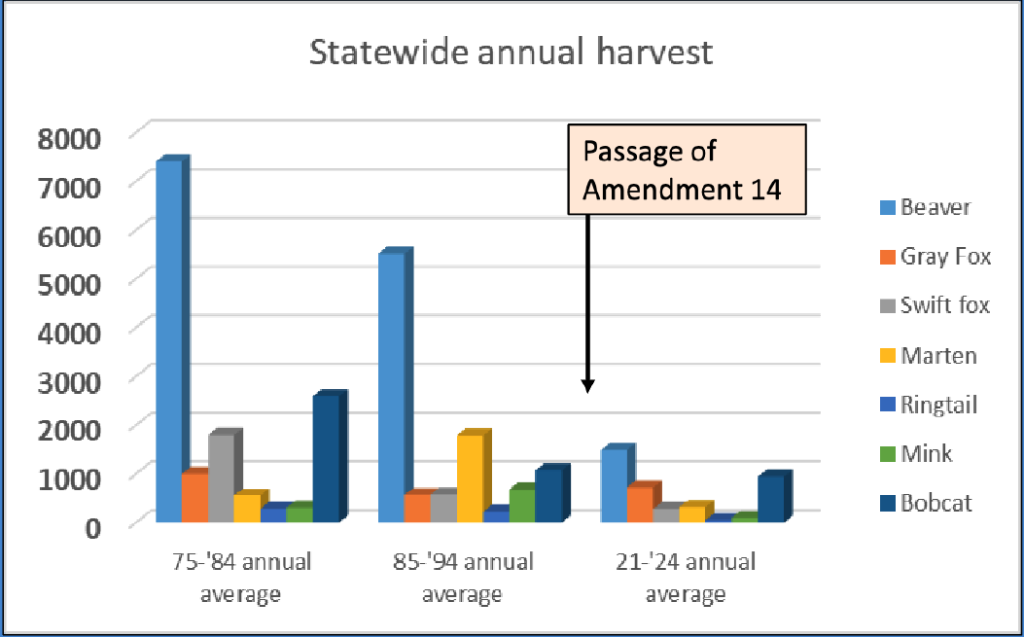
State law also allows private landowners and agricultural producers to kill nine of the furbearer species for causing damage to crops, private property or livestock without a license. There are no reporting requirements and thus, no data on the number of furbearers killed under this law. The Parks and Wildlife Commission does not have the authority to alter or create regulations that supersede this.
Facing questions from the public and commissioners about a lack of population data on furbearers, Viera shared population estimates for several furbearers — swift fox, martens, gray fox, ringtail cats, bobcats and beavers. However, he said that the biological traits of furbearers, including high reproduction and wide habitat distribution, paired with the limited numbers hunted does not make them a priority for limited population survey resources.
“CPW does not feel that we need to conduct population surveys for common, human landscape-adapted species, like coyote, Red Fox, raccoon, possum, or striped skunk,” he said. “Many other hunted and unhunted species should be prioritized with the agency’s limited funds for population surveys before these common furbearer species.”
Banning the sale of fur
One of the most debated furbearer items on Wednesday was the citizen petition brought forth by Samantha Miller, a Grand Lake resident and the senior carnivore campaigner for the Center for Biological Diversity.
The petition proposes banning the commercial sale, barter or trade of wildlife fur in Colorado, with a few exemptions for fishing flies and “felted fur Western hats.”
Miller referred to it as a “common sense change” and “low bar” that aligns furbearers with how Colorado manages other wildlife species.
“Our wildlife should not be for sale,” Miller said.
Julia Archer, a public commenter speaking in support of the petition, said furbearers are “part of the public trust, which we all share and should not be regarded as a cash commodity for a very few.”
Clellan, alongside Parks and Wildlife staff, recommended the petition for denial predominantly because the agency disagreed with the need for the petition.
“The petition relies heavily on the uncertainty about these species, population trends and the possibility that the commercial sale market is driving harvest past sustainable population limits, which the division disagrees with,” said Hilary Hernandez, Parks and Wildlife’s regulation manager. “Even if the division had concerns about furbear harvest levels, the petition does not seek to impose any restrictions on the hunting or trapping of furbears.”
Many public commenters backed the agency’s position, expressing support for current management.
“The tools to manage these species currently exist. Let those tools continue to work,” said Marie Haskett, a former Parks and Wildlife commissioner. “By not taking staff and the director’s recommendation to deny the petition, you’re basically slapping them in the face and telling them they are incompetent.”
John Swartout, who previously served as a Colorado Department of Natural Resources liaison when John Hickenlooper was governor and has led other groups like Colorado Counties and Great Outdoors Colorado, warned that pursuing the ban would “turn partners and collaborators into adversaries,” with others arguing the ban was part of a broader attack on hunting and fishing.
“Removing regulated, lawful use — absent of a biological need — threatens the framework of the North American model (of wildlife conservation), and sets a dangerous precedent for the future of wildlife management programs,” said Justin Nolan, representing the Rocky Mountain Elk Foundation.
Ultimately, the commission voted 6-4 to go against the director’s recommendation, a move that will push the petition forward and initiate a rulemaking hearing. Commissioners Jess Beaulieu, Eden Vardy, Jay Tutchton, John Emerick, Jack Murphy and Chair Richard Reading all voted in favor of the petition, with Commissioners Frances Silva Blayney, Tai Hacober, Dallas May and Gabriel Otero voting against it.
Beaulieu, in putting the motion forward, said that challenges identified by the agency’s draft strategic plan — including wildfires, pollution of rivers and clean water supplies, climate change, habitat and biodiversity loss, population growth and increased recreation pressures — “sets off alarm bells.”
“Furtrapping alone doesn’t cause biodiversity loss, but in my opinion, continuing non-essential commercial exploitation and an already stressed system is wrong,” she said. “From a legal, scientific, and administrative perspective, I support the petition to ban the commercial sale of fur, because it argues prevention rather than reaction, and preservation of non-commercial uses, while eliminating an avoidable source of ecological risk.”
Following Beaulieu’s motion to approve the petition, confusion among commissioners about the next steps and what the motion meant prompted concerns from members of the public on the second day of the meeting. The agency issued a news release and statement on Thursday clarifying what comes next.
“The vote does not mean the entirety of the citizen petition has been approved,” said Laura Clellan, the recently-appointed director of Parks and Wildlife, in a statement. “In the coming months, CPW staff will draft a proposed rule to initiate our rulemaking process, along with an issue paper or draft regulations outlining any proposed exceptions that may be necessary or appropriate.”
Should Colorado add limits for furbearers?
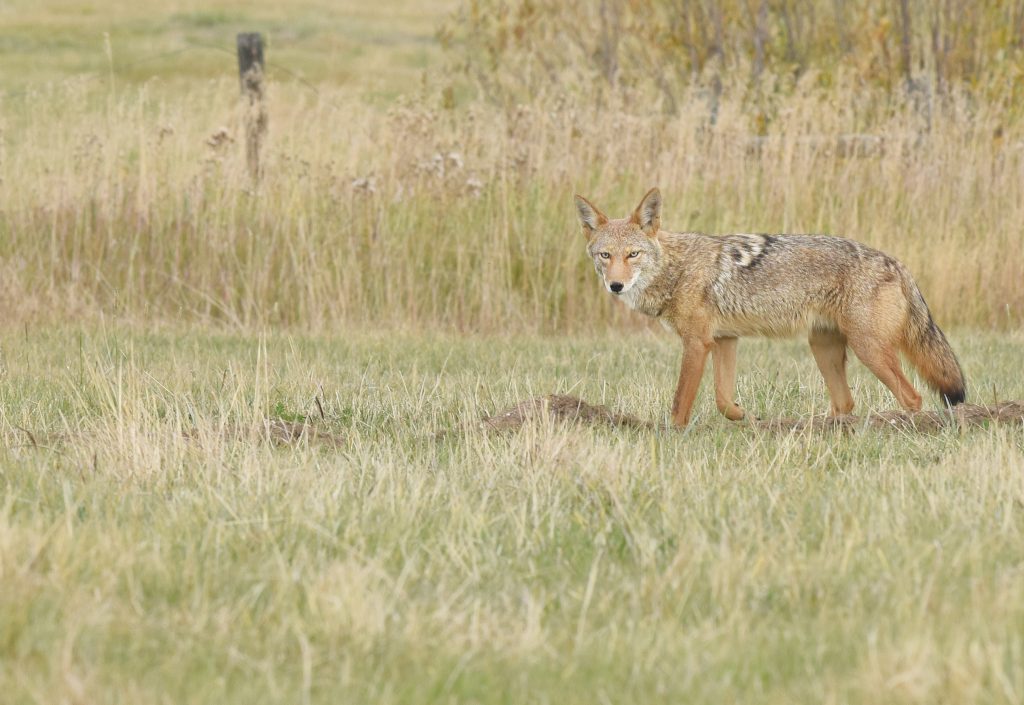
With the rising public attention on furbearers, the agency convened a working group — comprised of stakeholders representing both sides of the debate — last year to provide the agency with recommendations. One of the recommendations was to implement a “daily bag limit” or a limit on the number of furbearers a recreational hunter can kill in a single day.
Parks and Wildlife shared an issue paper on Wednesday — the first step in passing a regulation — proposing a 15 animal per day limit. Agency staff repeatedly said the proposed limit was not based on wildlife biology, but was an attempt to build social tolerance and goodwill with concerned members of the public
“This creates a numeric limit on avocational harvest and is meant to address a regulatory gap perceived by some between furbearers and other small game,” Viera said. “This draft regulation tries to address a social concern expressed by some stakeholders, but it is not designed to reduce daily opportunity for avid sportsmen and women that pursue furbearers, as there is no evidence that this is necessary.”
However, many wildlife advocates pushed back on the limit. Anna Reaves, a public commenter, referred to it as a “limit in name only,” calling it “unscientific, nonsensical and disingenuous.”
Several commissioners, including Tutchton and Vardy, requested that the agency look into reducing the limit, arguing that doing so would go further in building the desired social tolerance.
“I think if we impose a bag limit of 15, it’s actually gonna do the opposite of what we’re setting out to do, which is increasing social acceptability, tolerance and working with the community at large on this,” Vardy said.
Other commissioners expressed concerns that the regulation was being made for social, not scientific reasons.
“The staff is telling us that we are in a position where our current harvest plan doesn’t affect the (furbearer) populations,” Jacober said. “I would caution us on relying on a social science that is somewhat contrary to what we try to say every time in these meetings: that this is a science-based agency.”
The bag limit is expected to return to a future commissioner’s meeting for further discussion, but in her first commission as the agency’s permanent head, Clellan expressed a desire to take some time to work through the social challenges at play.
“I don’t think this is based on fear … I think we have a trust issue,” Clellan said. “In order for us to really bring something back to this commission that’s gonna have any kind of meaning, I would rather take the time to actually do some of the human dimensions work on this.”
More data on beavers, bobcats and swift foxes
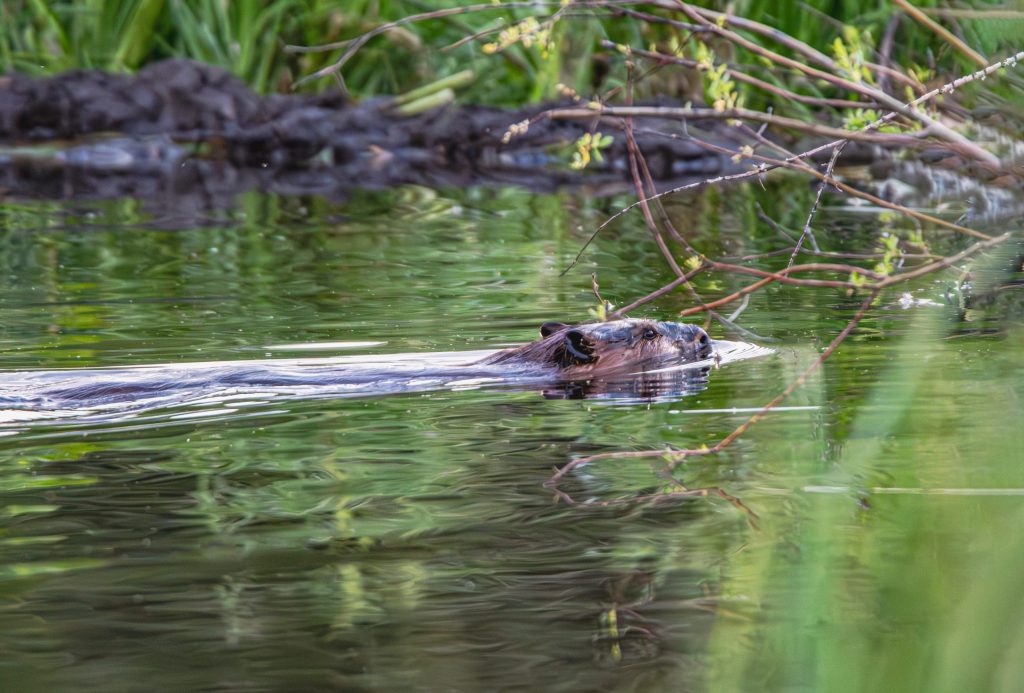
Parks and Wildlife also took steps toward increasing its data collection on beavers, its first step in implementing its newly-published Beaver Conservation and Management Strategy.
An issue paper shared with the commissioners proposes requiring recreational hunters submit all beaver carcasses, pelts and hides to the agency. Currently, furbearer hunters only have to submit bobcats for this type of check.
With these checks, Parks and Wildlife will be able “to acquire precise, pinpoint specific harvest location, mortality date, and biological information for each harvested animal if needed,” Hernandez said.
Viera added that this will allow the agency to collect watershed-specific data about where the beavers are hunted and ensure harvest levels of beavers remain within a sustainable level.
The agency is also shortening the beaver hunting season by one month, clearing up an administrative issue as the current season straddles two license years.
A citizen petition, submitted by the Colorado Trappers & Predator Hunters Association in November 2024, proposed this type of mandatory check on beavers as well as adding submission requirements from hunted swift foxes and bobcats. The petition was recommended for denial by the agency because it already moved forward with the beaver change, and the benefits of adding requirements for bobcats and swift fox did not outweigh the cost of implementing them.
Dan Gates, one of the petitioners, said the group supported the agency’s denial. The commission voted unanimously to kill the petition.