Gov. Jared Polis noncommittal on supporting TABOR change, says Coloradans ‘value’ tax refunds
Democratic lawmakers plan to refer a ballot measure to voters that would raise the state’s TABOR cap and boost funding for public schools, which they can do without the governor’s approval

Robert Tann Follow
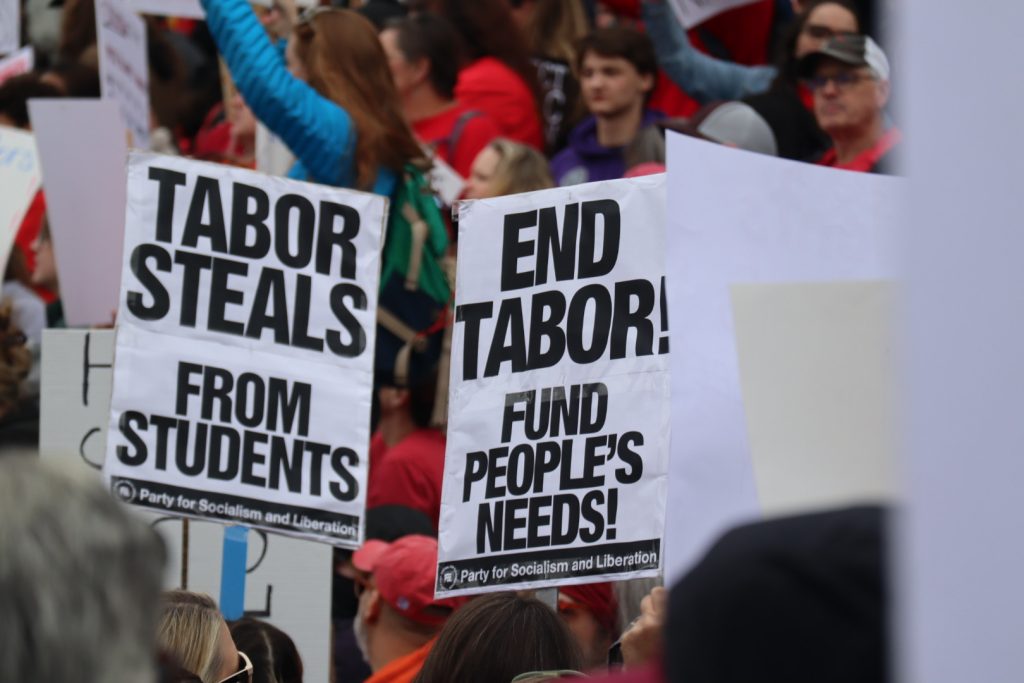
Robert Tann/Vail Daily
The Taxpayer’s Bill of Rights, or TABOR, is once again in Colorado Democrats’ sights as lawmakers move to introduce a ballot measure this year that could raise the state’s revenue and spending cap.
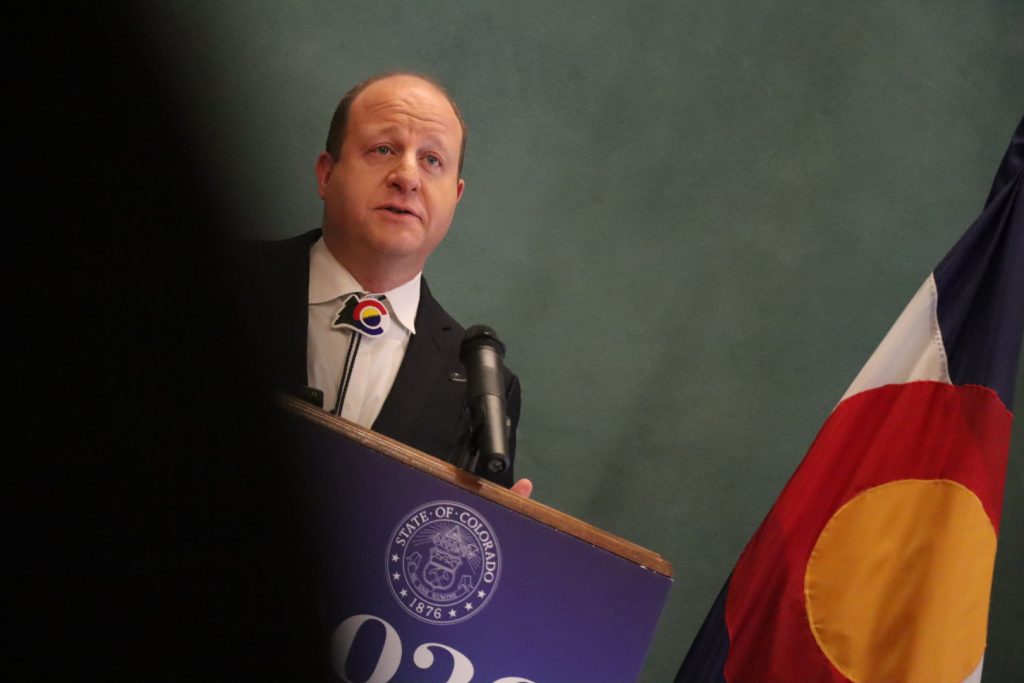
But the party’s leader, Gov. Jared Polis, didn’t commit to supporting the potential effort when asked about the proposal last week.
“I haven’t seen anything — don’t know,” Polis said during a Jan. 15 press conference with reporters following his State of the State address. “I’m happy to look into proposals.”
TABOR is an amendment to the Colorado Constitution approved by voters in 1992 that limits government revenue to the rate of population growth plus inflation. Any revenue the state collects above that cap must be returned to taxpayers, known as TABOR refunds.
Democrats have long argued that TABOR limits the state’s ability to fund essential programs and services, including public schools. Changing the revenue cap, however, requires voter approval.

Support Local Journalism
The legislature needs only a simple majority vote in both the House and Senate to refer ballot measures to voters, and they don’t need the governor’s signature. While ballot measures that change the Colorado Constitution require support from two-thirds of lawmakers in both chambers, increasing the TABOR cap can be done without a constitutional amendment.
Democrats hold wide majorities in both chambers.
Sen. Jeff Bridges, a Greenwood Village Democrat and vice chair of the Joint Budget Committee, plans to introduce the ballot measure some time this legislative session.
The details of the proposal are still being worked out, but it aims to increase the state’s revenue limit under TABOR to boost funding for K-12 education. The measure is being led by the Colorado Education Association.
“It’s going to be up to the people of Colorado to decide what kind of schools they want to have,” Bridges said in an interview on Tuesday. “Do they want to have sort of C-plus funding, or do they want to be in the top 10 nationally?”
Changing the TABOR cap, however, has been an uphill battle for Democrats and their supporters in recent years.
Lawmakers in 2019 referred Proposition CC to the ballot, which would’ve allowed the state to retain tax revenue that would otherwise be refunded, but that measure was defeated by voters. Polis showed tempered support for that initiative.
The legislature tried again in 2023 with a ballot measure to retain TABOR refunds to bolster education funding, in exchange for property tax cuts. That measure, Proposition HH, was pushed by Polis but was resoundingly rejected by voters.
“Obviously, Coloradans value TABOR refunds,” Polis said during his press conference.
When asked if he would like the governor to campaign for the measure, Bridges said, “I would love for everyone, and their mother, and their mother-in-law to be out there campaigning for this.”
He added, “This is critical for not just teachers, not just students, not just parents, not just our schools, but for our workforce.”
Education funding remains a high priority for lawmakers who, in 2024, eliminated the budget stabilization factor, a Great Recession-era funding mechanism that had allowed the state to fund K-12 education below what’s constitutionally required. They’ve also committed to a new school funding formula that would boost K-12 funding by roughly $500 million over the next seven years.
Still, the state’s budget constraints loom large over lawmakers’ spending decisions, and even without the budget stabilization factor and the new formula, schools are still considered to be underfunded.
Two studies commissioned by the legislature that were released last year show that Colorado would need to increase annual school funding anywhere from $3.5 billion to $4 billion to be sufficiently funded.
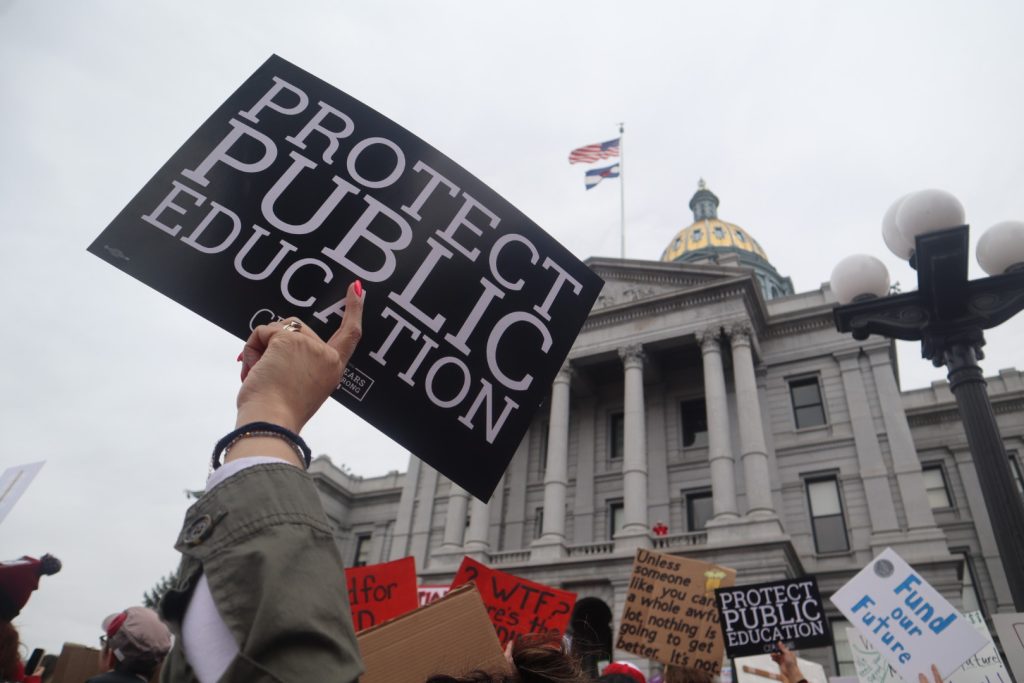
Bridges said the ballot proposal he plans to introduce would increase K-12 funding by at least 2% each year for the next 10 years, which would be on top of the additional funding the legislature has already pledged in the new school funding formula. The ballot measure would do so by increasing the TABOR cap by the amount the state currently spends out of its general fund on public schools, which is about $4.5 billion.
Republicans have vowed to defend any attempts to change TABOR.
Sen. Barbara Kirkmeyer, a Brighton Republican who sits alongside Bridges on the Joint Budget Committee, argued last week that raising TABOR’s revenue cap is effectively a tax increase, since it would reduce or even eliminate refunds.
“Maybe we should quit calling it ‘revenue’ and just call it what it is, it’s taxes that are coming into our coffers, and that means increasing taxes on all of us,” Kirkmeyer said.
Bridges pushed back on what he said are characterizations by Republicans that the ballot proposal would undermine TABOR. He said the Democrats’ approach is in keeping with TABOR’s requirement that voters approve any measures that increase the state’s tax collection.
He likened it to Referendum C, a 2005 ballot measure backed by then-Republican Gov. Bill Owens, which placed a five-year moratorium on the TABOR cap after it was approved by voters.
“That is something that is envisioned in TABOR, and that is, I think, up to the voters of Colorado” Bridges said.