Colorado governor signs bill giving zoning exemptions to nonprofits, schools that want to build housing
Jared Polis also signs measure giving local governments more flexibility for funding housing projects

Robert Tann Follow
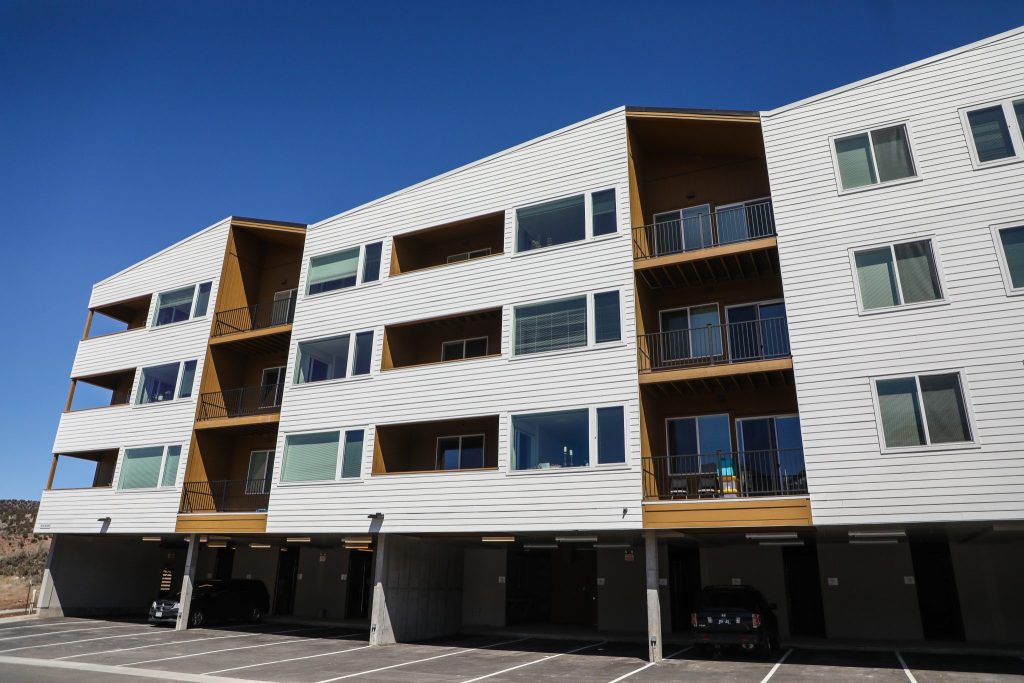
Chris Dillmann/Vail Daily archive
Colorado Gov. Jared Polis signed two bills into law Wednesday aimed at furthering what has been one of his and the Legislature’s chief goals: boosting the supply of housing.
Both measures were the first to be introduced in the House and Senate this legislative session.
House Bill 1001, which supporters have dubbed the Housing Opportunities Made Easier, or HOME, Act allows public schools, colleges, nonprofits, transit agencies and housing authorities to bypass local zoning codes and build affordable housing on land that they own.
The bill, which was backed by Democrats and passed on a largely party-line vote in both the House and Senate, is modeled after failed legislation proposed last year that sought to allow churches to build housing on their own land.
Supporters say the state is in dire need of more housing stock, pointing to a report released last year by the State Demography Office that shows Colorado, as of 2023, needed approximately 106,000 homes to meet demand.

Support Local Journalism
“We, as a state, by passing this bill, are saying we want our partners at the table as part of the housing solution,” Polis said. “We want that local creativity driven by nonprofits and school districts and community colleges.”
Another chapter in the debate over state and local control
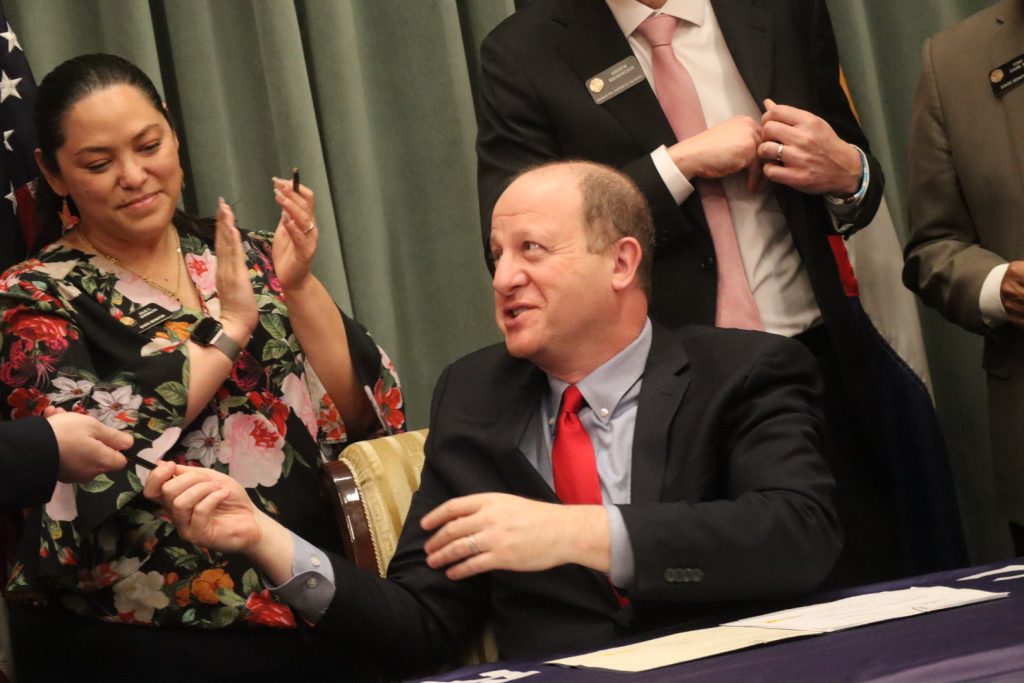
HB 1001 faced mixed reactions from local governments in what has become an ongoing push-and-pull between state and local control.
The Colorado Municipal League, which represents over 270 cities and towns, opposed the legislation. In a statement Wednesday, the group’s executive director, Kevin Bommer, said the HOME Act “ignores municipal planning efforts and creates a one-size-fits-all policy with no requirement that new housing be affordable.
“With such little interest in ‘partnership, not preemption’ this year, municipalities will look to the next administration for collaborative housing solutions that expand access while respecting local control,” Bommer said.
Counties and Commissioners Acting Together, a coalition of commissioners from nearly two dozen counties, supported the bill after amendments were made to address local land-use concerns.
For example, the bill would not allow entities to bypass zoning rules for land that is not connected to water and sewage treatment systems, has state or federal regulations that restrict residential housing or for properties zoned for industrial or agricultural use, floodplains or open space.
Tamara Pogue, a Summit County commissioner who said she was speaking in her capacity as chair of Counties and Commissioners Acting Together, noted that while not every commissioner supported the HOME Act, the vast majority of its membership was brought on board due to engagement they received from the bill’s sponsors.
The HOME Act was sponsored by Reps. Andrew Boesenecker, D-Fort Collins, and Javier Mabrey, D-Denver, and Sens. Tony Exum, D-Colorado Springs, and Julie Gonzales, D-Denver.
“There was genuine dialogue, there was back-and-forth discourse, and there was an acknowledgment of some of the legitimate challenges that local governments face in trying to make the right decisions for our communities,” Pogue said. “And so, I hope, that the process that was used in the passage of this legislation is the process that will be used more broadly moving forward.”
Some of the projects the HOME Act is attempting to emulate have also already been deployed in mountain resort areas, which Pogue said have been “some of the most progressive communities around the affordable housing issue.”
That includes the 37-unit Miller Flats Apartments in Eagle County and the 27-unit Basalt Vista complex, both built by local school districts to house employees.
“Seven years I’ve been in this job — I wish the HOME Act was in place seven years ago,” said Eagle County School District Superintendent Philip Qualman, adding that the new law is “going to make superintendents around the state have more opportunity to do what we’ve done to create sustainable housing, affordable housing.”

Fewer restrictions on funding local housing projects
The other bill Polis signed, Senate Bill 1, would loosen restrictions on how local governments currently fund affordable housing projects.
The measure gives counties explicit authority to spend property tax revenue collected in their general fund on affordable housing efforts. A general fund is typically a county’s largest fund account and pays for core programs, like public safety, human services and other county departments.
SB 1 also lifts a prohibition on counties and municipalities from selling buildings and land they own to fund workforce housing developments, except for parks. Additionally, the measure grants more flexibility for when communities hold local elections to form and fund multijurisdictional housing authorities, and expands eligibility for tax credits that help finance middle-income housing developments.
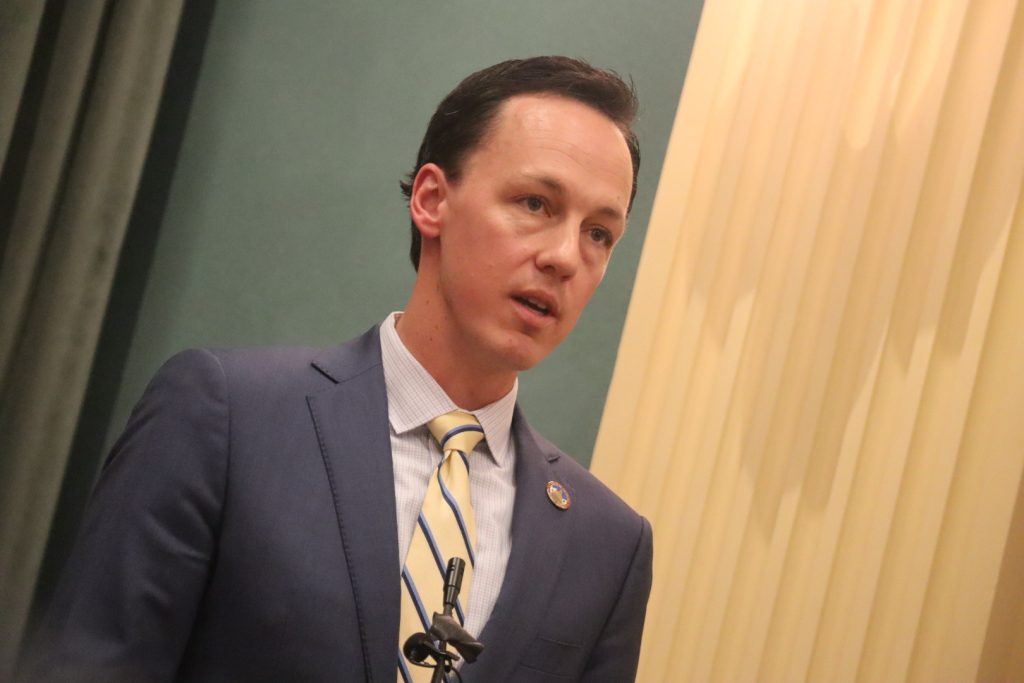
“This bill is about local projects and working with our partners at the local level, whether it’s governmental, housing authorities, nonprofits, to unlock local resources and get rid of red tape that has been standing in the way,” bill sponsor Sen. Dylan Roberts, D-Frisco, said during Wednesday’s signing event.
SB 1 was also sponsored by Sen. Jeff Bridges, D-Greenwood Village, and Reps. Boesenecker and Chris Richardson, R-Elbert County.
The measure passed with broad bipartisan support in both chambers. It also had the backing of local government groups, in particular mountain communities, which Robert said “care deeply about building housing for their communities,” and know that “our community character cannot continue if we can’t retain our workforce and people that want to live there.”