Colorado lawmakers are on track to increase funding for K-12 schools, but is it enough to offset rising costs for rural districts?
With rural school districts facing inflated costs and declining enrollment, projected increases in per-pupil funding are still leaving schools with tight budgets.

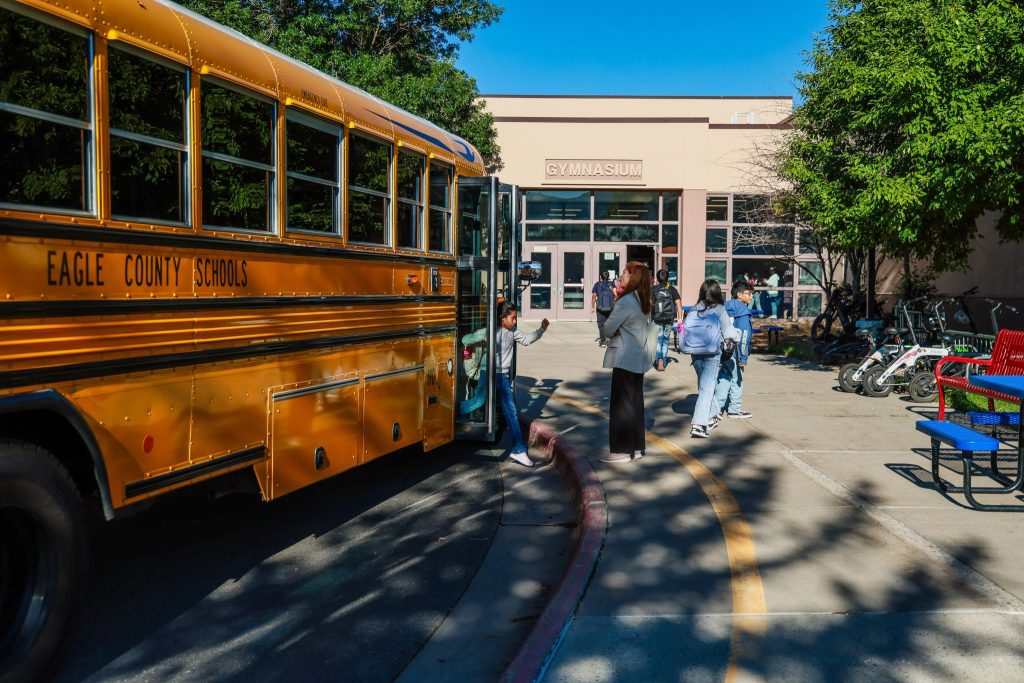
Chris Dillmann/Vail Daily
Colorado lawmakers plan to increase K-12 funding by nearly $194.8 million next year, but districts across the Western Slope warn the gains could be wiped out by inflation and fewer students.
The School Finance Act, or Senate Bill 23, guides how state and local funds are allocated to Colorado’s 178 school districts on a per-pupil basis.
In the version of the bill passed by the Senate on April 29, the School Finance Act would increase per-pupil funding by $440 per student for the 2026-27 fiscal year, for a total of $12,314 per student. In total, the state would spend roughly $10.2 billion on K-12 education next year, an increase of $194.8 million in total program funding.
Of the $10.2 billion, $5.6 billion comes from the state share — including funding from the General Fund, State Education Fund and State Public School Fund — and $4.6 billion is from local property tax and ownership tax revenue.
This year’s increase is in line with the state of Colorado’s constitutional requirement to increase base per-pupil K-12 funding annually by at least the rate of inflation. While the $194.8 million increase in K-12 spending means districts could see state funding rise next year, falling enrollment — which many rural, mountain communities are experiencing — means some are poised to see cuts.

Support Local Journalism
“We know that whatever increases we’re talking about are going to be very minimal because of declining enrollment,” said Michael Agostinho, president of the Eagle County Education Association and an educator at Eagle Valley High School.
The School Finance Act’s most recent fiscal note estimates a decrease of $60,000 in total program funding for the Eagle County School District compared to last year. The school district’s 2025-26 pupil count fell by roughly 239 students year-over-year, with steeper drops anticipated for 2026-27. The district’s total program funding is anticipated to sit around $79.5 million.
Agostinho said a combination of shrinking budgets, rising costs and falling enrollment has led to cuts across the board, including to educator and administration positions.
“It’s not as great as it seems on paper,” Agostinho said. “There are more things that we need to do locally and also statewide to help fund schools (for) students, and also annual shortfalls that we’ve had for decades in Colorado.”
Studies commissioned by the Colorado legislature in 2023 revealed public schools are underfunded by over $3.5 billion. Combined with roughly 14 years of the budget stabilization factor, which was used until 2024 to reduce statutorily required school funding allocations by around $10 billion as a means to balance the state budget, many schools are still trying to recover from years of underfunding.
The 2026 School Finance Act proposes a three-year averaging model for student counts instead of the current four-year averaging, meaning recent dips in student enrollment across the state will weigh more heavily on how much funding is allocated to each district.
Colorado had roughly 841,862 public school students in 2025-26, with several Western Slope school districts seeing decreased year-over-year enrollment. Next year, the state estimates it will have over 14,000 fewer students, according to the bill’s fiscal note.
The plan to shift to three-year averaging for student enrollment aligns with the state’s plan to phase in a new school finance formula, following negotiations by House Speaker and Dillon Democrat Julie McCluskie. Of the $500 million annual cost to fully implement the formula, the bill states Colorado would invest 30%, or $150 million, during fiscal year 2026-27.
Although the increase in per-pupil funding means not all school districts will automatically see lower funding, many face increasing costs from inflation that end up eating into any additional funding from the state.
“It’s a bit of temporary relief, but I think we’re concerned about the longer-term trends, both in terms of enrollment and with the state economic forecast,” Roaring Fork Superintendent Anna Cole said.
According to an April 29 fiscal note, school districts in some Western Slope counties like Garfield, Grand, Pitkin, Routt and Summit would see increases to total program funding despite seeing lower student enrollment compared to last year.
Roaring Fork School District, which serves over 5,300 students across 14 schools in Glenwood Springs, Carbondale and Basalt, is projected to see a total program increase of $1.5 million from the proposed School Finance Act next year.
Like several rural mountain districts, Cole said Roaring Fork is seeing “pretty sharp declines” in student enrollment. Although the $1.5 million increase is closer to a “best-case scenario” for the School Finance Act, it wouldn’t be enough to save the district from having to tighten its budget and reduce expenditures across departments.
Cole said the rates for the district’s health insurance plans went up roughly 10.5% this year, which was on the lower end of increases compared to surrounding districts. Sustaining the district’s current plans for employees has translated to over $1 million in additional costs, which quickly eats up any increases Garfield County schools see from the state.
“We appreciate the increase on the per pupil funding, and that’ll help, but frankly, it’s not going to offset what we anticipate are going to be negative impacts on our budget overall because of the actual numbers of kids that will be serving come October,” Cole said. “We’re trying to build a really fiscally conservative budget, but to be honest, when we’ve pulled recent enrollment numbers, we’re concerned that we weren’t conservative enough.”
Cole said the district has been in a budget restriction process for the last two years, keeping funding reductions “as far away from schools as we can possibly get.” Because the district’s student-teacher ratios are based on student enrollment, however, drops in enrollment have also meant around 17 fewer teacher positions during the 2025-26 school year and slightly reduced discretionary budgets for individual schools.
“I would love to see the state legislature really commit to a plan that works towards the findings from the adequacy studies that they invested in two, three years ago,” Cole said, emphasizing the 2023 state study’s finding that the Roaring Fork School District was found to be $18 million short in annual funding from the state. “It’s incredibly frustrating when money is invested in studies and research and analysis, but then we don’t follow through on the findings.”
The Garfield Re-2 School District, poised to see an increase of roughly $2 million for the 2026-27 fiscal year, spends approximately 80% of its budget on employee salaries and benefits, according to Superintendent Kirk Banghart. The school board was able to approve a 2% staff raise for 2026-27 to help salaries keep up with cost-of-living in the mountains. Paired with rising health insurance costs, that’s already 90% of the projected funding increase spent.
“Colorado remains in the bottom half of the nation in school financing,” Banghart said in an email. “Garfield Re-2 is grateful that the legislature has found creative ways to maintain education funding and provide a modest 2% inflationary increase; however, that is not enough to support our teachers, staff, and general operations when inflation is significantly higher.”
The School Finance Act passed the Senate and was introduced in the House on April 29. Lawmakers must pass the state’s school funding bill before the end of the session on May 13.