Tribal leaders, Colorado congressmen blast Trump’s orders shrinking 2 Utah national monuments by 90%
Conservation groups vow legal action

Robert Tann Follow
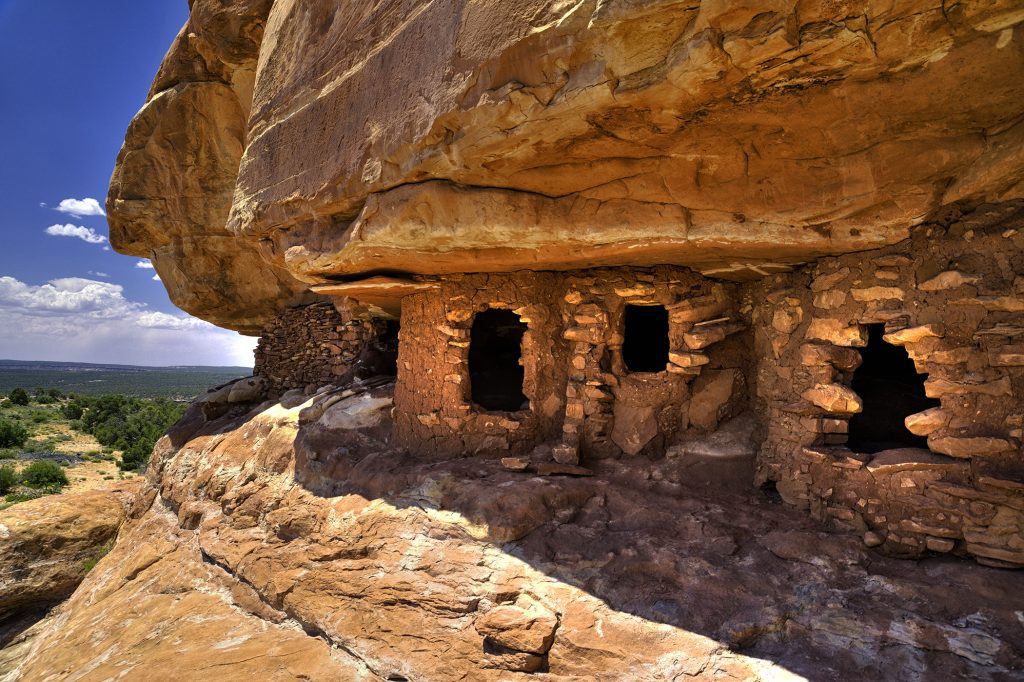
Tim Peterson/Courtesy photo
Tribal and congressional leaders in Colorado are joining conservationists across the West in denouncing President Donald Trump’s executive orders reducing the size of two national monuments in southern Utah.
Trump signed the two orders Tuesday, July 14, shrinking the combined size of Bears Ears and Grand Staircase-Escalante national monuments from 3.2 million acres to under 303,000 acres — a roughly 90% decrease.
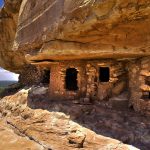
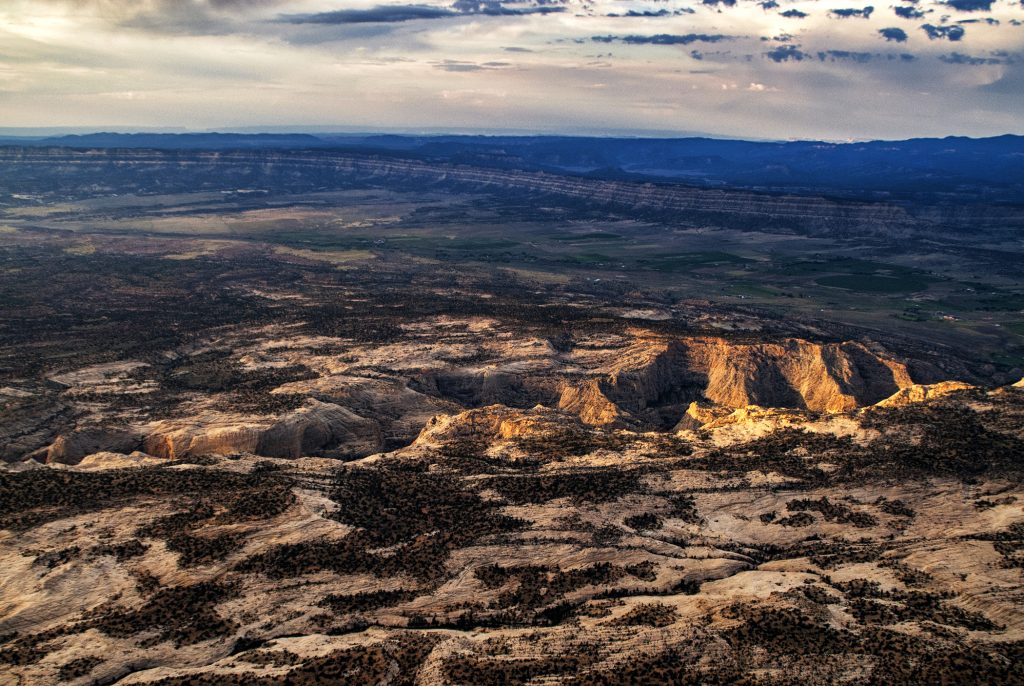
The two monuments are recreation meccas known for their sandstone canyons, mesas and buttes. They also hold deep cultural significance for Native American tribes and are home to thousands of archaeological sites, including petroglyphs and cliff dwellings.
Trump and Utah’s Republican leaders have long argued that the monuments’ current boundaries are too expansive and prohibit critical oil drilling and uranium mining. They’ve also pushed to shrink the federal government’s footprint, particularly in the West, and turn more public lands management over to states.
“We’ve done something that I think was very desperately needed,” Trump said during a signing event at the White House, where he was flanked by top elected officials from Utah. “It was very unfair to the people of Utah, and now, fairness has been brought back.”

Support Local Journalism
The orders drew swift condemnation from Native American tribes and Democrats in Congress.
Gwen Cantsee, vice chairwoman for the Ute Mountain Ute Tribe, one of Colorado’s two federally recognized tribes, said in a statement that the tribe is “deeply disappointed by the decision.”
“The Bears Ears region is our homeland,” Cantsee said. “Our ancestors lived, hunted, gathered and prayed here long before boundaries were drawn. The Ute Mountain Ute people were forcefully removed from these lands, but our connection to this sacred place cannot be erased.”
Cantsee is also a member of the Bears Ears Commission, a tribal group that advises the federal government on land management policies for the monument. In his executive order shrinking Bears Ears, Trump also abolished the commission.
Rep. Joe Neguse, a Democrat representing Colorado’s central and northern mountain communities in addition to Boulder and Fort Collins, said Trump’s decision will reverberate beyond just the two Utah monuments.
“It is part of a larger effort on the part of the administration to undermine America’s public lands and national forests,” Neguse said Tuesday on a call with reporters. “All of these decisions, all of them, are deeply unpopular with the American public.”
U.S. Sen. Michael Bennet, a Colorado Democrat who has championed several bills to bolster and expand public lands protections in the West, in a statement called Trump’s actions “another broken promise to the tribes who have lived in this region since time immemorial and to the next generation of Americans, who are relying on us to protect these irreplaceable landscapes.”
Both Utah monuments were established under Democratic administrations. President Bill Clinton designated the Grand Staircase-Escalante in 1996, and President Obama established Bears Ears in 2016.
Republicans have argued that those designations overstepped the 1906 Antiquities Act, the federal law that gives presidents the ability to designate national monuments.
“Under the Antiquities Act, it’s very clear that these monument designations are supposed to be the smallest area possible to protect the antiquities,” said Utah Gov. Spencer Cox, a Republican, during Trump’s signing event at the White House. “These multi-million-acre monuments that are bigger than the state of Delaware certainly do not fit that designation.”
Trump signed orders in 2017 during his first term to shrink both Bears Ears and Grand Staircase-Escalante, resulting in legal battles over whether presidents have the authority to reduce national monuments under the Antiquities Act. In 2021, President Joe Biden reversed Trump’s orders, restoring both monuments’ boundaries and slightly expanding Bears Ears’ to about 1.36 million acres.
In June 2025, the U.S. Department of Justice, under Trump’s second term, issued a legal opinion arguing that presidents have the authority to rescind national monuments entirely, contradicting how the department has interpreted the Antiquities Act for 87 years.
Conservation groups that sued Trump’s first administration over his attempt to shrink both monuments have vowed to do so again.
“The Antiquities Act authorizes presidents to designate national monuments, not to destroy them,” said Heidi McIntosh, Rocky Mountain office managing attorney for Earthjustice, in a statement. Today’s proclamations are a slap to the face of public lands visitors across the country, as well as the local communities and tribes that have worked for years to protect these special places. Earthjustice and our partners are prepared to vigorously defend the monuments once again.”