Feds ask for input on how Colorado is handling wolf program, conflict with livestock
The U.S. Fish and Wildlife Service is accepting comments until June 5

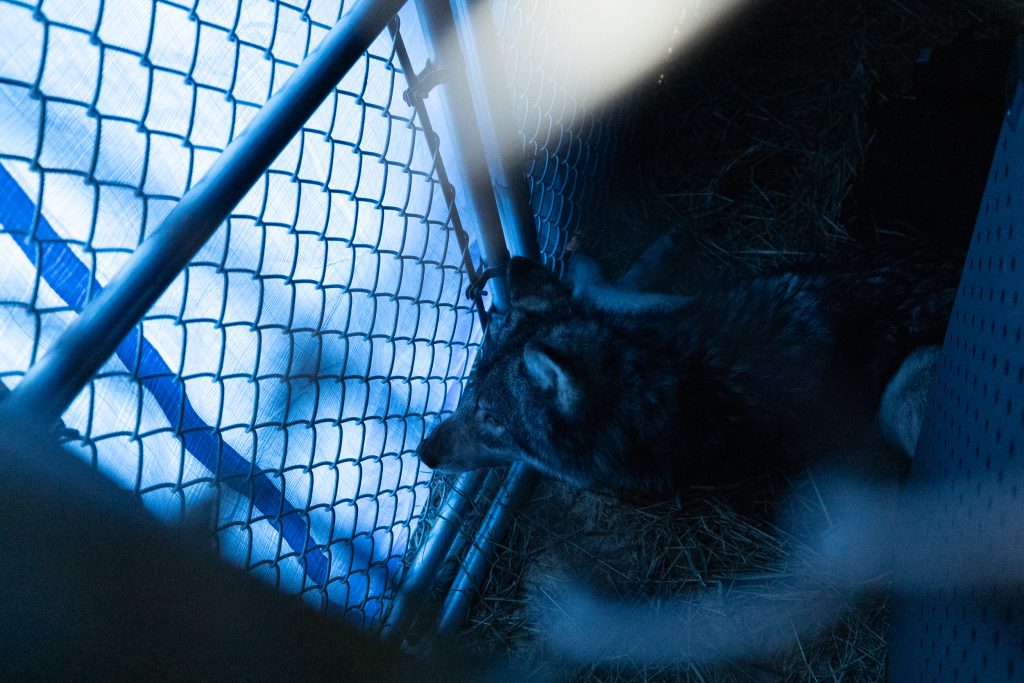
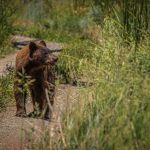
Colorado Parks and Wildlife/Courtesy Photo
The U.S. Fish and Wildlife Service has put out a call for comments on Colorado’s wolf reintroduction program.
In a notice published on Monday, April 6, the federal agency specifically asks for information on how Colorado Parks and Wildlife is addressing conflicts between wolves and livestock, communicating and implementing the program. Fish and Wildlife is accepting comments until June 5 via the Federal Register.
“The Service wants to hear from ranchers, landowners, agencies and other stakeholders about their experiences with wolf management, livestock losses and conflict prevention,” said a Fish and Wildlife spokesperson in an emailed statement.
Luke Perkins, a spokesperson for Parks and Wildlife, said Monday that the state agency “is evaluating this request for information from the United States Fish and Wildlife Service.”
“CPW has worked in partnership with USFWS and Colorado’s producer community throughout the planning and implementation of our wolf restoration program and looks forward to continuing those partnerships,” he added.

Support Local Journalism
After Colorado voters initiated the state’s reintroduction of gray wolves in 2020, Parks and Wildlife entered into an agreement with Fish and Wildlife to allow the state to manage the population of the federally endangered predators.
Parks and Wildlife was granted the authority via a 2023 agreement and a special 10(j) rule from Fish and Wildlife that designates Colorado’s wolves as a “nonessential, experimental population.” The 10(j) rule also grants the state the authority to kill gray wolves in certain instances despite the species’ protections under the federal Endangered Species Act.
To view the request or submit a comment, visit Regulations.Gov and search for “FWS–R6–ES–2026–0958”
Comments will be accepted until June 5.
The April notice from the federal wildlife agency asks for information on ways to improve Colorado’s implementation of the 10(j) rule, and seeks information on the state’s compensation program.
This notice is separate from another posted by Fish and Wildlife in March, which only seeks information on how the federal agency collects information relating to Colorado Parks and Wildlife’s 10(j) rule.
It is unclear whether the federal agency is looking to make changes to either agreement based on the feedback. When asked, a spokesperson said, “this input will help federal and state partners better address challenges, reduce conflicts and support both local communities and wildlife conservation.”
Specifically, it asks the following questions:
- Based on your observations or data, what trends in wolf-livestock interactions have occurred in Colorado since 10(j) Rule implementation on December 8, 2023?
- What nonlethal deterrence or preventive measures have been employed in Colorado, and how effective have they been?
- How has the process of verifying depredations and documenting claims in Colorado functioned in your experience?
- How would you characterize coordination among agencies, producers, Tribes, and local communities in addressing conflicts?
- What improvements, in your view, would make 10(j) Rule implementation more effective in reducing conflict and improving outcomes for producers and wolf conservation in Colorado?
- To what extent have the state’s available compensation funds met the need for indemnity and associated costs?
- What barriers exist to obtaining compensation from the state or implementing mitigation strategies?
“Over the past few years, multiple livestock depredations by wolves have been verified in Colorado on both private and leased grazing lands.” reads the federal notice. “The number of verified depredations have exceeded available compensation funds in Colorado, leading to concerns among livestock producers regarding timeliness, adequacy and accessibility of compensation.”
Since beginning wolf reintroduction in 2023, Parks and Wildlife has confirmed just over 50 attacks on livestock and livestock guardian dogs by wolves. In 2024-25 — the first full fiscal year after Colorado released its first wolves in December 2023 — the agency paid over $608,000 to 13 producers. So far, it has paid over $700,000 to ranchers for losses in 2025, with the final amount paid expected to reach over $1 million.
Colorado lawmakers set up a fund to compensate ranchers for losses to wolves, allocating $175,000 from the general fund in the 2023-24 fiscal year and $350,000 in each subsequent year. Because Parks and Wildlife is legally obligated to compensate ranchers for the losses, it can also use federal dollars and non-license revenue.
The register posting comes just a few months after Brian Nesvik, director of the U.S. Fish & Wildlife Service, threatened to terminate its 2023 agreement with Colorado Parks and Wildlife if the state failed produce summaries and documents about the wolf restoration within a 30-day window.
Colorado complied with the request, submitting over 400 pages of public announcements and presentations, intergovernmental agreements, email correspondence and reports. The federal agency confirmed receipt of this response, but no further communication on the matter has occurred.
Nesvik — the former director of Wyoming’s Game and Fish Department — has shown an interest in Colorado’s wolf restoration program since being appointed to lead the federal wildlife agency in August. In October, Nesvik issued new direction about where Colorado could source wolves for the restoration, which ultimately led to a pause in wolf releases this winter.
Nesvik’s boss, U.S. Department of the Interior Secretary Doug Burgum has also made his own warnings about Colorado’s wolves, writing in December on X that the federal government would step in if the state “does not get control of the wolves immediately.”
On Monday, the Endangered Species Coalition, a nationwide group of 475 environmental and wildlife member organizations, criticized Fish and Wildlife’s April request for comments on Colorado’s wolf reintroduction as the latest politically-motivated effort to undermine Colorado’s effort and to remove protections from gray wolves.
Ryan Sedgeley, the southern Rockies representative for the coalition, called it “a set-up for misinformation, fear and another attack on wolf recovery,” under the Trump administration’s “anti-wolf agenda.”
“Like any restoration effort, there have been challenges, but conflict mitigation tools and compensation programs exist for exactly that reason, and the management framework allows for improvement,” he added. “The answer is not to sabotage restoration. The answer is to keep improving implementation while staying committed to recovery.”
In his statement, Sedgeley refers to the posting as part of broader efforts by the presidential administration to undermine the Endangered Species Act.
Rep. Lauren Boebert, a Republican representing Colorado’s 4th Congressional District on the eastern plains, is leading the legislative initiative to delist gray wolves in Colorado and all the Lower 48 states from the federal act.