Flower honoring Sheika Gramshammer blooms in the Betty Ford Alpine Gardens
'Now Pepi has his ski run, and I have a flower'

Carolyn Paletta/Vail Daily
A new flower has bloomed for the first time in the Betty Ford Alpine Gardens, and it bears the name of a woman who has been instrumental in supporting the garden’s protection and growth over the years.
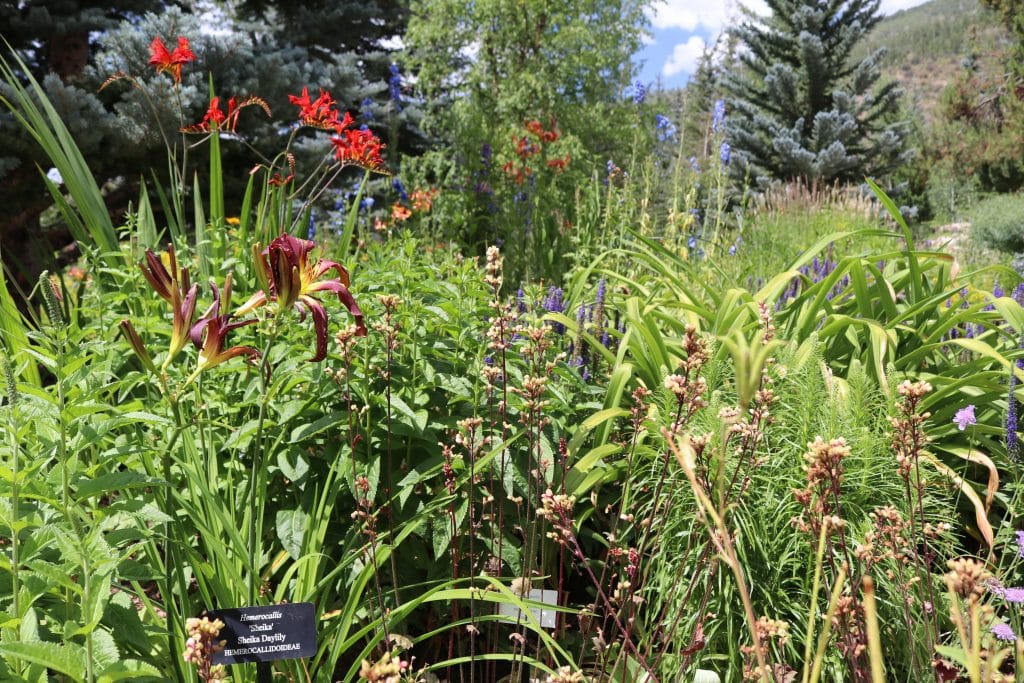
The Sheika Daylily burst into color last week, its green buds giving way to dark maroon and bright yellow petals. Situated at the entrance of the gardens, the flower celebrates the legacy of Sheika Gramshammer, the 2021 Vail Valley Citizen of the Year and a life trustee of the Betty Ford Alpine Gardens who has been at the forefront of fundraising efforts for the garden in memory of her late friend, former First Lady Betty Ford.
The Sheika Daylily was planted three years ago, but is flowering for the very first time this summer. It was expected to be a white and cream colored flower, but just like the woman it represents, it came out a lot more colorful.
“My god, I couldn’t believe it when it first came out,” Gramshammer said. “Isn’t it so beautiful? I felt really honored, it’s very special.”
Gramshammer said that like many in the early Vail community, she and her husband Pepi had a close personal relationship with Betty and Gerald Ford. Just before Betty Ford died in 2011, Gramshammer said that she made a commitment to preserve the gardens, and she has stood by that commitment ever since.

Support Local Journalism
Carolyn Paletta/Vail Daily
“The week or so before Betty passed away, I went to see her and we chatted about the garden,” Gramshammer said. “She said, ‘Please don’t let my garden die,’ so I said OK, I am going on the board.”
Gramshammer has spearheaded a number of fundraising efforts for the Alpine Gardens, including raising the money needed to build the Betty Ford Education Center at the western entrance.
The Sheika Daylily is fittingly planted right next to the Betty Ford Daylily, a hybrid flower species created in 1974 to honor the first lady after she won her battle with breast cancer. The flowers representing these two influential women in Vail now sit side by side as a tribute to their friendship and ongoing presence in the valley.
Courtesy Photo
“We thought it was appropriate to put the Sheika Daylily next to the Betty Ford Daylily, right there in the front entrance of her gardens,” saidNick Courtens, the curator of plant collections. “As you walk down the steps, it’s the first thing you might see, which we thought would be a great place for one of the more influential people that is in our town and pays great tribute to all that Sheika has done for the gardens and the town of Vail.”
The Sheika Daylily will be in bloom for about another two weeks, and if conditions are good, it should bloom once a summer every year. The Betty Ford Daylily did not bloom this summer, but visitors to the garden can look forward to a time when both tributes are in full bloom alongside each other, a vibrant celebration of two legacies.
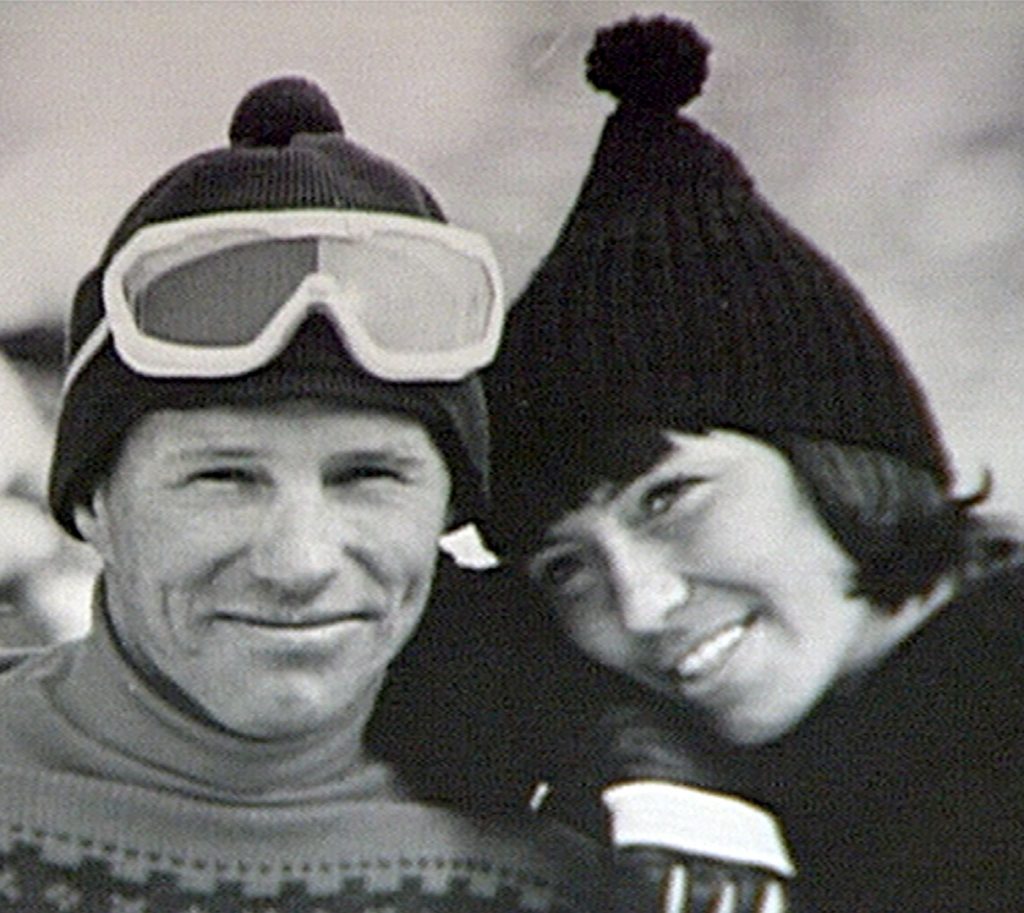
“Now Pepi has his ski run, and I have a flower,” Gramshammer said.
Colorful and sustainable
The Sheika Daylily isn’t the only flower in bloom at the Betty Ford Alpine Gardens this month. Thanks to an active rainy season, the garden beds are flourishing, with hundreds of plant species braving the heat and filling the walk with brilliant colors, smells and textures.
With the help of many patrons and supporters like Gramshammer, the garden has become the second-most popular attraction in all of Vail, just behind Vail Mountain itself. Over 120,000 visitors stroll through the collection each year, which has grown to include species from around the globe.
Colorado, along with much of the western United States, is currently experiencing a 20-year megadrought. Nick Courtens said that the Betty Ford Alpine Gardens has always placed an emphasis on sustainable gardening, and trying to be a teaching tool to demonstrate how to have a lush, colorful garden without overusing precious water resources.
Carolyn Paletta/Vail Daily
“It’s become even more important now, with how things are going,” Courtens said. “Plant selection is everything.”
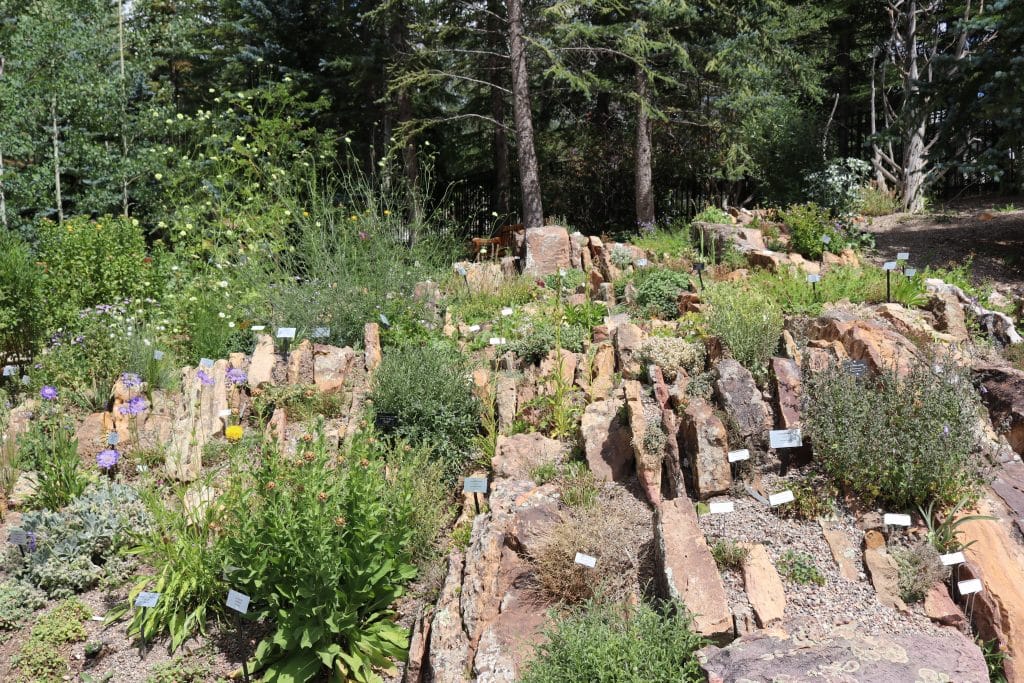
Two new sections were added to the garden last year, both of which demonstrate how to have visually interesting garden beds that aren’t taxing on the local environment. The crevice garden, inspired by landscapes found in the Caucasus mountains of Georgia, Armenia and Azerbaijan, shows how rock formations can serve as a base for flower beds, negating the need for thirsty grass beds while also helping certain alpine species take deeper root and flourish.
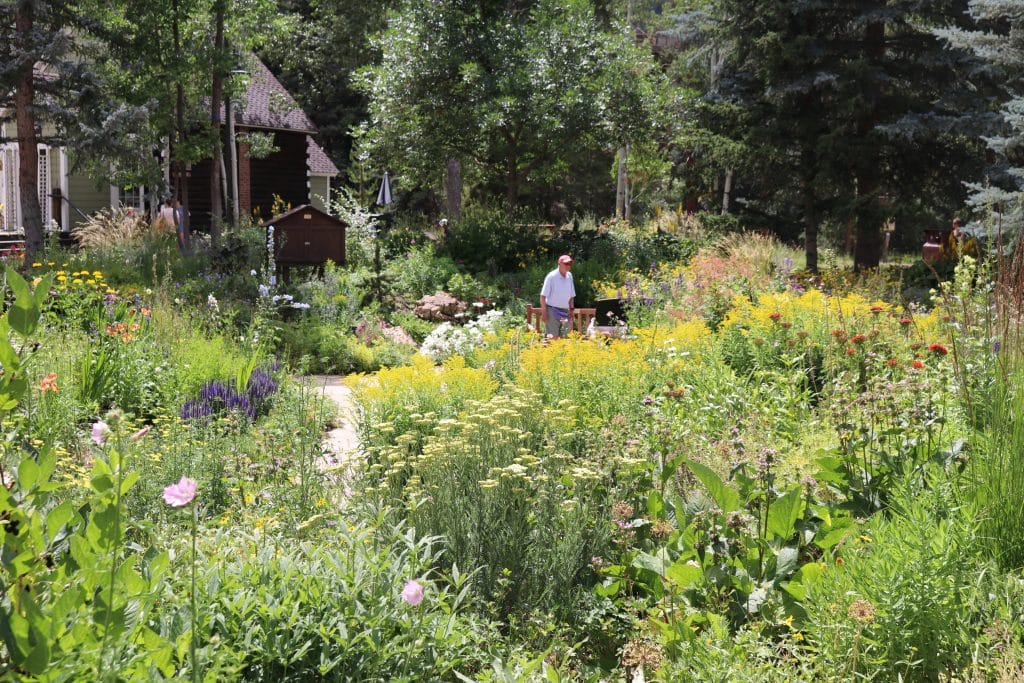
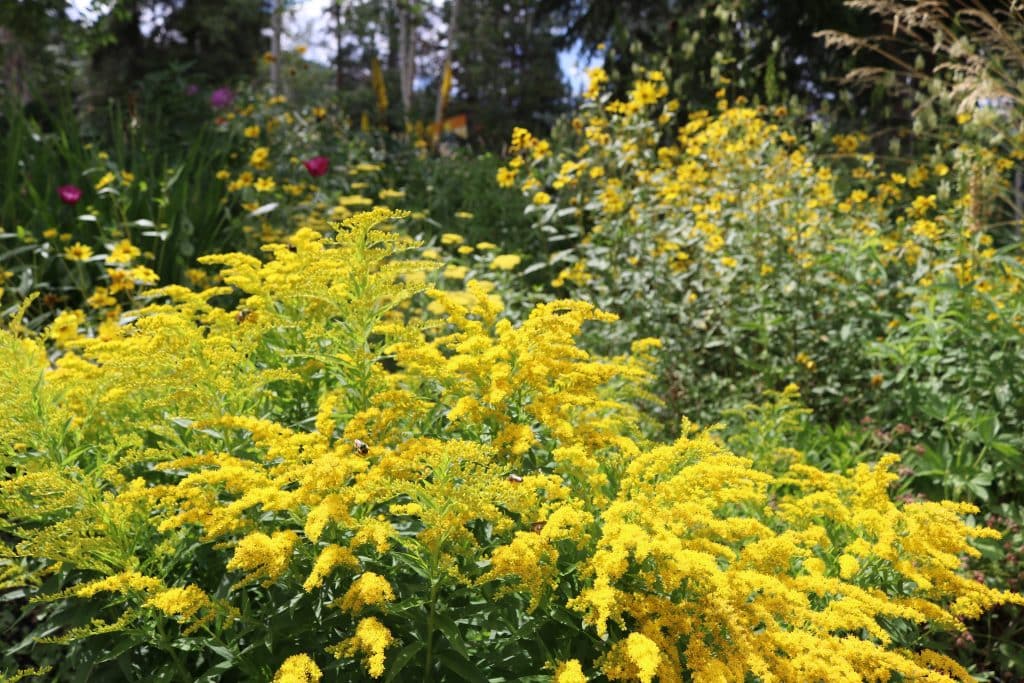
Just next to the Betty Ford Education Center, a new pollinator garden with striking yellow, purple, reds and orange flowers is serving double duty: these plants only need to be watered around once a week, and they are the perfect pitstop for local pollinators. Their petals are alive with bees and other insects doing their important work, which in turn benefits the broader natural environment.
“We’re providing a habitat for local pollinators,” Courtens said. “Especially when we use native plants like these, pollinators know that they can get food there.”
The Betty Ford Alpine Gardens also support conservation projects beyond what meets the eye in the garden. “Ex situ” conservation, or off-site efforts, include seed banking and propagation studies that will help preserve the alpine species of the world for generations to come.
Carolyn Paletta/Vail Daily
The Betty Ford Alpine Gardens host events every week, including tours, immersive experiences, workshops, and a speaker series that allows visitors to become familiar with the many species of the garden and learn from the experts how best to populate and care for their own gardens. $10 garden tours are offered every day of the week except Sunday and Friday, and $15 yoga classes take place among the flowers every Monday, Wednesday and Friday.
The next speaker series on Aug. 19 will cover climate change and the impact on the Colorado River. For a full schedule of upcoming events, visit BettyFordAlpineGardens.org/events.