Loyal lovers: Meet the monogamous mates of the Animal Kingdom
Curious Nature
Adobe Stock Image/Licensed by Walking Mountains Science Center
Valentine’s Day is just around the corner and love is in the air for humans and wildlife alike. The noun “love” is defined as an intense feeling of deep affection. Just as humans feel love, animals can love one another as well.
There are thousands of species throughout the animal kingdom that mate monogamously. Monogamy in wildlife is defined as a pair bond between two adult animals of the same species who perform behaviors such as living together to mate, raise young, and share resources. While only 3-9% of the 5,000 or so mammal species have monogamous mates, it is estimated that 90% of bird species mate monogamously, some even staying together after the fledglings are gone.
Why are so many bird species monogamous? The answer comes down to basic biology. It is often in the best interest of the male to provide parental care to ensure his offspring survive to carry on his genes. Since birds lay eggs, the incubation and protection of the eggs must be done by at least one parent while the other searches for food.
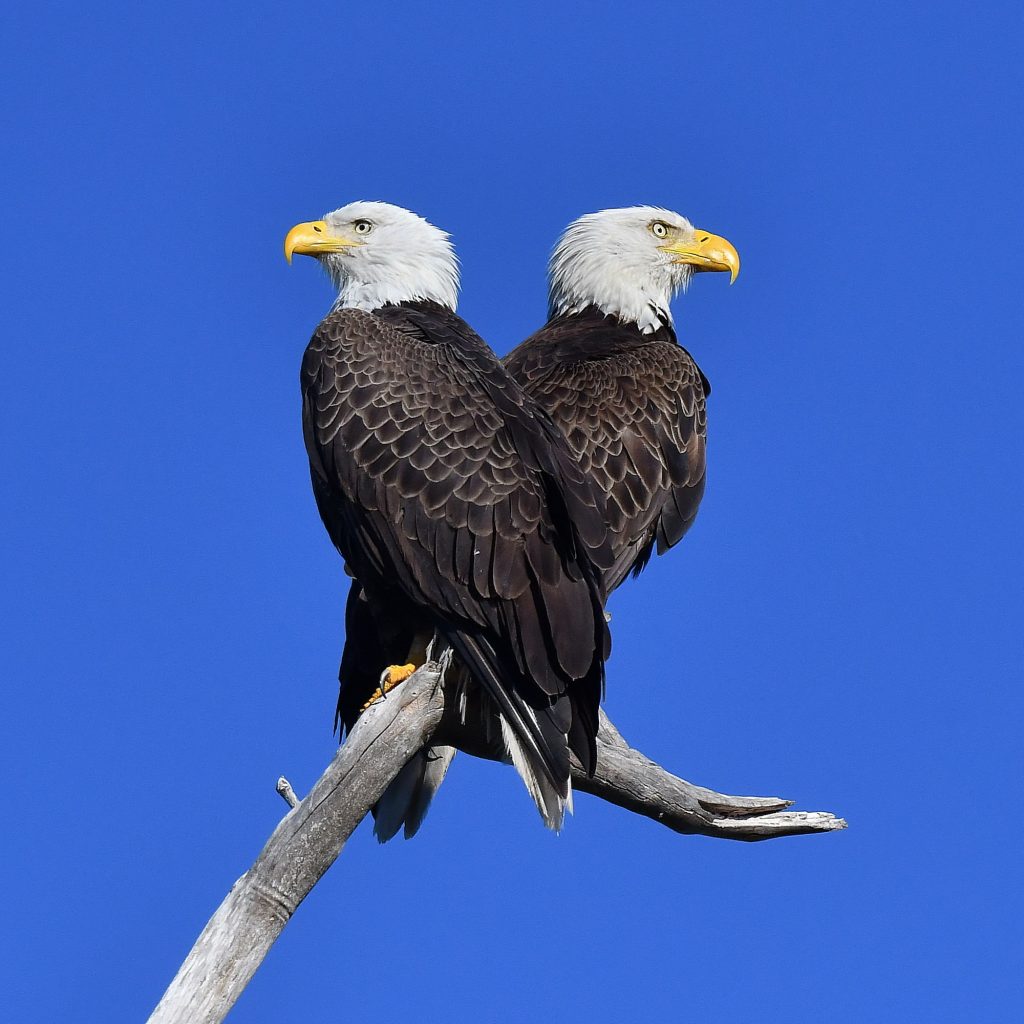
These roles are also shared even after the eggs hatch. While you may have heard of monogamous mates like mute swans or turtle doves, raptors are also known for their everlasting relationships. A popular example of a monogamous raptor is the beloved bald eagle.
Bald eagles, who begin breeding at about 4 years and live to 28 years in the wild, stay together until death. They are known to perform heartwarming courtship displays before settling down to raise their chicks.

Support Local Journalism
When an individual finds a promising partner, they engage in a courtship display called “cartwheeling.” This is when the eagles attain a great height then lock talons and spin as they plummet in midair. Right before the two hit the ground, they unlatch to perform the display again which may continue for several minutes.
Though these courtship rituals are a spectacular display of aerial acrobatics, it is nesting that cements the bond between a pair of eagles. Returning year after year to the same nest, the pair will add building materials to their structure, creating a nest of gargantuan proportions that stands as a symbol of their devotion to one another.
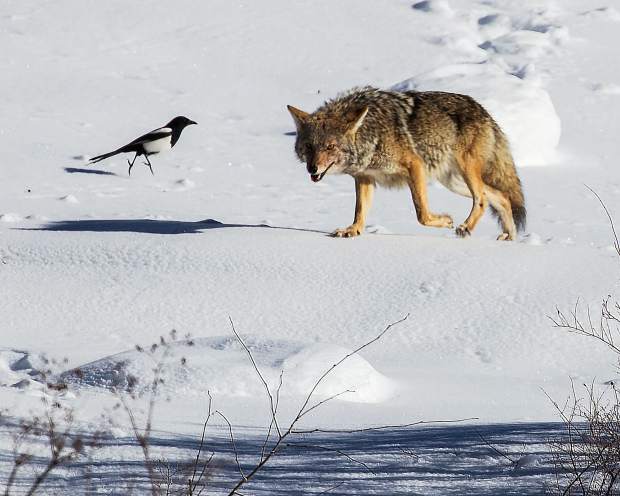
While birds have pretty much mastered the concept of an eternal connection, many mammal species also practice a monogamous lifestyle. You’ve probably seen them crossing a road or even heard their howls at night: coyotes also mate for life, along with wolves and all species found in the family Canidae.
A study conducted by a team from Ohio State University focused on a clan of 236 coyotes in the Chicago area and found that coyotes are extremely loyal, only finding a new mate if their previous one dies.
“I was surprised we didn’t find any cheating going on,” said wildlife ecologist Stan Gehrt, “Even with all the opportunities for the coyotes to philander, they really don’t.”
What matters in your community, delivered daily.
Sign up for our morning newsletter at VailDaily.com/newsletter
Starting in mid-January, coyote pairs start play-wrestling and play-chasing each other more often and by March or April, pups are typically born. Once the pups surpass the age of a strict milk diet, both parents partake in the duties of feeding. The adult coyotes will eat their prey and actually regurgitate it for their pups back at the den.
As humans, we don’t necessarily think about other animals forming lifelong relationships. The reality is whether an individual has feathers or fur, the emotion of love is felt universally.
Paige McAllister is a Naturalist at Walking Mountains Science Center who lives for the discounted candy the day after Valentine’s Day.