Vail condotels form committee to oppose new ballot issue raising taxes on short-term rentals

Courtesy image
In banding together to ask voters to turn down Ballot Issue 2A, a consortium of condotels and other Vail businesses that are reliant on tourists is making an existential pitch in Vail.
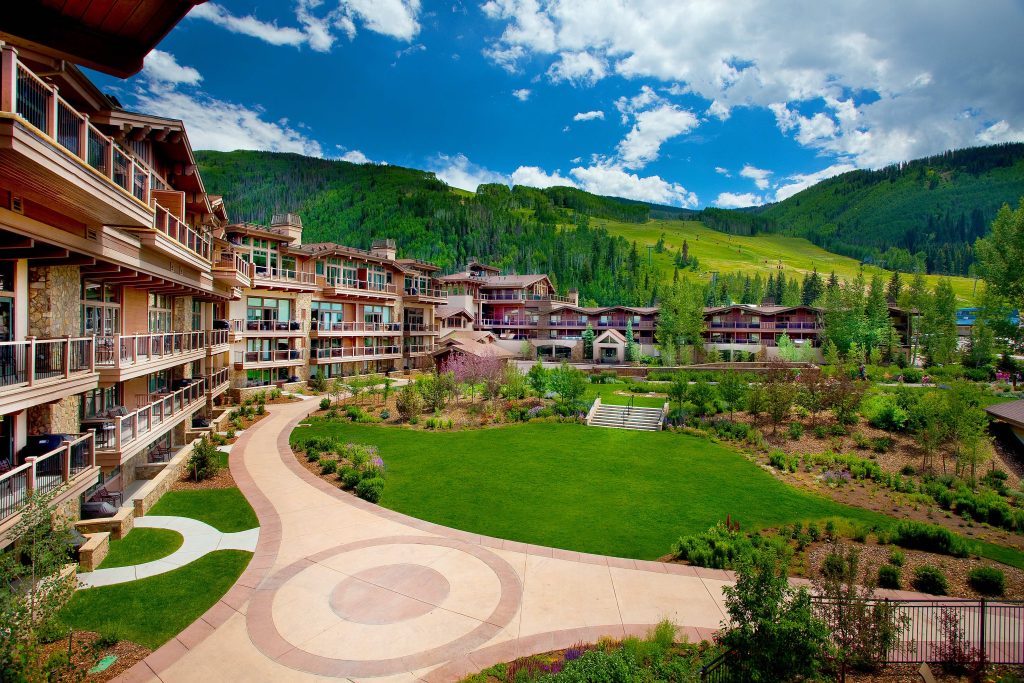
Condotels are condominium complexes that operate like hotels. A new group calling itself the Vail Common Sense Housing Committee claims that condotels offer many advantages over corporate hotels and should be embraced by any community reliant on tourism.
If passed, Ballot Issue 2A would raise taxes on condotels by 6%, while corporate hotels wouldn’t receive that same tax hike, placing them at an advantage over their similar-looking neighbors, the committee claims. As the almighty algorithm that determines local lodging prices gets into gear for the upcoming season, the committee asserts that the condotels will find their prices automatically slashed by 6% to stay competitive with the hotels.
“Property managers all over town are starting to work on their budgets and realizing that they need to budget a 6% rate cut next year,” said Zach Meyers, the general manager of Manor Vail Lodge and a member of the committee.
It’s a situation that could lead to even more profits being exported out of Eagle County, Meyers said, as condotel owners redistribute their profits back into the community at a higher rate than a company that’s traded on the New York or Nasdaq stock exchanges.

Support Local Journalism
“A lot of our units have been passed down through generations of families,” Meyers said. “We have a lot of people who are really passionate about Vail, so there’s a whole history element to some of these properties.”
The effect this could have on other businesses that operate in conjunction with Vail’s many condotels has inspired other businesses to join the Vail Common Sense Housing Committee. The committee is now comprised of more than 30 local businesses, including transportation, retail and rental businesses.
These businesses, along with some of the property management companies that handle the front desk and other responsibilities at the condotels, are locally owned, which helps to prevent corporate dominance in the lodging sector, said the Vail Common Sense Housing Committee.
“This tax is going to hit the Vail Racquet Club, the Wren, the Lodge at Lionshead,” said Kim Rediker with the Vail Racquet Club at a Town Council meeting in August. “It’s not going to hit the Marriott or the Four Seasons or the Marriott Residence Inn or the Hythe or the Grand Hyatt.”
Unintended consequences
Meyers said the original intent of the measure — discouraging potential long-term rental properties in neighborhoods to be used as short-term rentals — became lost in ballot issue 2A. That’s because the new tax can’t differentiate between a row of short-term rental townhomes in what is supposed to resemble a residential neighborhood, and a condotel building, which is supposed to resemble a hotel in the village core.
“I think hearts are in the right place on this tax, but I don’t think they fully thought through what it’s doing to such a large part of this bed base in the village core,” Meyers said.
Meyers said a 6% tax increase for any business is tough to swallow, but the Vail Common Sense Housing Committee would be more amenable to a 6% bed tax across the board, which would affect both hotels and short-term rental properties.
“That would have created another $17 million toward the housing initiatives they’re hoping to fund with this,” Meyers said.
The Vail Town Council — in voting to approve the ballot question in August — referenced a goal set by the council in 2024 to require the town’s approximately 2,600 short-term rentals to financially contribute to housing.
“We’re trying to get funding options for bringing more people and stabilizing our workforce housing,” said Council member Reid Phillips.
Phillips said residential property taxes for condo unit owners are “about a third of what’s being paid” in commercial property taxes by hotels.
But Meyers said condotel property owners have seen their property taxes increase at a higher rate than commercial properties in recent years, saying some units in his building saw a 36% higher property tax bill following the most recent tax assessment. That, in combination with higher water bills and higher insurance costs, could make the situation untenable for some of the property’s legacy families who have passed their units down for generations.
“If the math ceases to work, there’s a history element to some of these properties that could vanish as well,” he said.
Meyers said he fully supports the town’s housing efforts, noting that Manor Vail recently purchased one of the town’s new Timber Ridge Village employee housing units. But he’s also concerned that the money raised by the short-term rental tax might not always make it to its intended recipient.
“While the town’s ballot language says this money will be used for housing activities in and around Vail, the actual Colorado statute requires that the money go to the general fund,” he said. “I fully believe this council’s intent is for the money to go to housing, but … the fear is that, as members of council change, somewhere down the road, someone might decide that something’s more important than more employee housing.”