Vail Resorts CEO addresses low snowpack in update to investors

John LaConte/Vail Daily
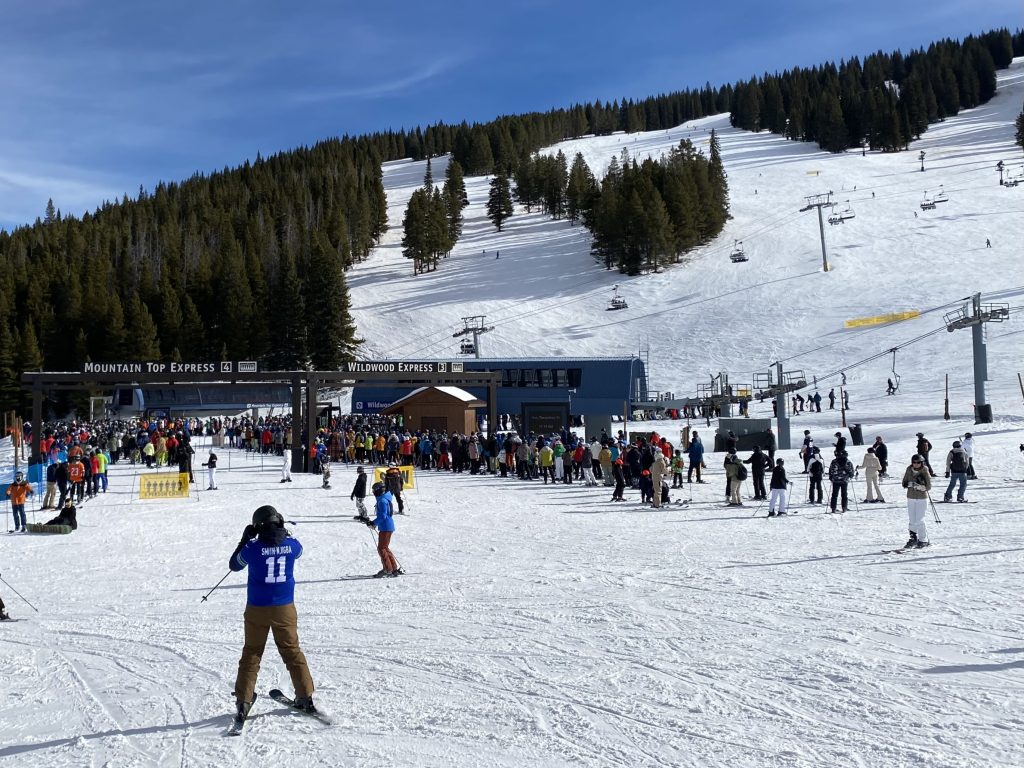
Vail Resorts CEO Rob Katz, in an update to investors on Thursday, said snowfall in the Rockies from the start of the ski season to Jan. 5 was down nearly 60% versus the 30-year average, resulting in 20% fewer visitors in that period.
Colorado has received some snow since then — Vail Mountain reported a foot of new snow last week — but not enough to push conditions out of what is now the lowest snowpack on record for this time of year.
“We experienced one of the worst early season snowfalls in the western U.S. in over 30 years, which limited our ability to open terrain and negatively impacted visitation and ancillary spending for both local and destination guests during the period,” Katz said.
As a result, Katz said the company is expecting earnings to be on the low end of its prediction, issued in September, which put net income attributable to Vail Resorts in the $201 million to $276 million range, and Resort Reported EBITDA of $842 million to $898 million.
And that guidance is assuming that skier visits in the Rockies return to normal by President’s Day Weekend, Katz added.

Support Local Journalism
“To the extent that performance improvements in the Rockies lag, due to weaker than expected conditions, there could be further downside to our guidance,” Katz said.
What is ‘normal’?
Katz said the company’s guidance also assumes that normal weather conditions will persist outside of the Rockies for the remainder of the 2025-26 ski season.
But normal weather conditions has been something that has proven difficult to define in recent years.
Previous CEO Kirsten Lynch, who was terminated by Vail Resorts board of directors in May, addressed the issue of normal weather in 2024 after the company had missed its original earnings projections by more than $100 million.
Challenging weather conditions were one of the big factors in the missed target, Lynch said, which had been a common refrain under her tenure, as the company also missed its original earnings projection in 2022-23 and lowered its projection from the range of $893-$947 million, issued in December of 2022, to the range of $831-$859 million, issued in March of 2023.
A year earlier, in January 2022, Vail Resorts also said the season had gotten off to a slow start due to challenging early-season conditions that were worse than expectations.
In January 2021, Vail Resorts said snowfall levels were well below average at the company’s Colorado, Utah and Tahoe resorts through the holiday season, affecting visitation.
And in 2020, “Results at Whistler Blackcomb and Stevens Pass were below expectations, driven by the poor early season conditions that continued through the holiday period,” former CEO Rob Katz said at the time.
So when, in 2024, Lynch said Vail Resorts was basing its projections on the assumption that weather will return to something it calls “normal,” David Katz with Jeffries Investment Bank asked Lynch what normal means.
“We always try to budget assuming normal,” Lynch said in response. “Normal means: Are there going to be some really good days? Are there going to be some really bad days? Are there going to be some windy days? Some icy days? Some cold days? Some high snow days? Some low snow days?”
All yes, Lynch said.
However, “We have no way of forecasting extreme weather,” she added. “We have no way of forecasting when it would happen or where it would happen. And so normal weather for us is factoring in weather variability, but something significant or extreme that happens, we really don’t have a way of forecasting that.”
Benefits from geographic diversity, pre-committment
In Katz’s update on Thursday, he said the company had benefited from good snow conditions in the east, which “provided a partial offset to the broader weather headwinds and highlights the benefit of our geographically diverse network of resorts.”
In 2019, Vail Resorts acquired Mount Snow in Vermont; Hunter Mountain in New York; and Attitash Mountain Resort, Wildcat Mountain and Crotched Mountain in New Hampshire.
And in another reinforcement of Vail Resorts’ time-tested strategy to sell most of its pass products before the season starts, Katz said the low snowpack has “reinforced our commitment to our advance commitment strategy and the investments we have made in our resorts and our employees to deliver on the guest experience,” likely a reference to Vail Resorts’ 2022 move to a minimum $20 per hour for employees.
“I’m proud of the team’s resilience, and exceptional execution that delivered strong guest satisfaction scores season to date, despite the significant weather challenges,” Katz said.