Wildfire smoke to waft into Colorado from wildfires burning on West Coast
The Colorado Department of Public Health and Environment says there is potential for the wildfire smoke from California to combine with wildfire smoke from Oregon later this week

Andrew Maciejewski/Summit Daily News
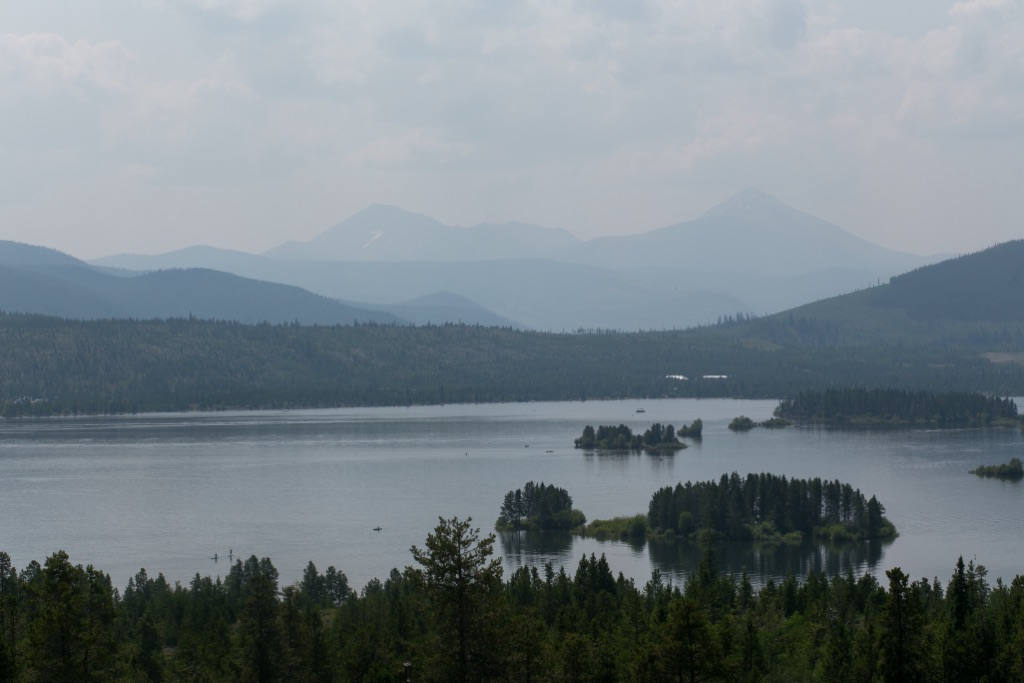
Colorado residents and visitors should expect smoke from wildfires burning in California to waft into the state in the coming days, casting a haze over mountain views and causing potential health hazards.
Southwesterly winds are expected to push smoke hanging over Nevada, Arizona and Utah over western Colorado by Thursday, Sept. 12, according to the Colorado Department of Public Health and Environment’s smoke blog.
It is unclear how much smoke Colorado will receive Thursday, but the “good news is it should be a pretty breezy day across much of the smoke, which should limit smoke from accumulating too much at the surface of the earth,” the blog post states.
By Thursday night in Colorado, the smoke from the three wildfires burning in California could reportedly combine with wildfire smoke from long-duration fires burning in Oregon and Idaho.
The Colorado Department of Public Health and Environment wrote in the blog post that “health advisories are not necessarily imminent,” but those who are especially sensitive to wildfire smoke should consider limiting exertion and outdoor activity Thursday and Friday.

Support Local Journalism
The world’s changing climate, amplified by the burning of fossil fuels, has increased the risk and extent of wildfires in the western U.S. over the last two decades, according to the National Oceanic and Atmospheric Administration. Research shows that human-caused changes in climate are creating warmer, drier conditions that lead to longer and more active fire seasons.
This story is from SummitDaily.com