Eagle River Watershed Council: Snowpack and summer flows
The Current
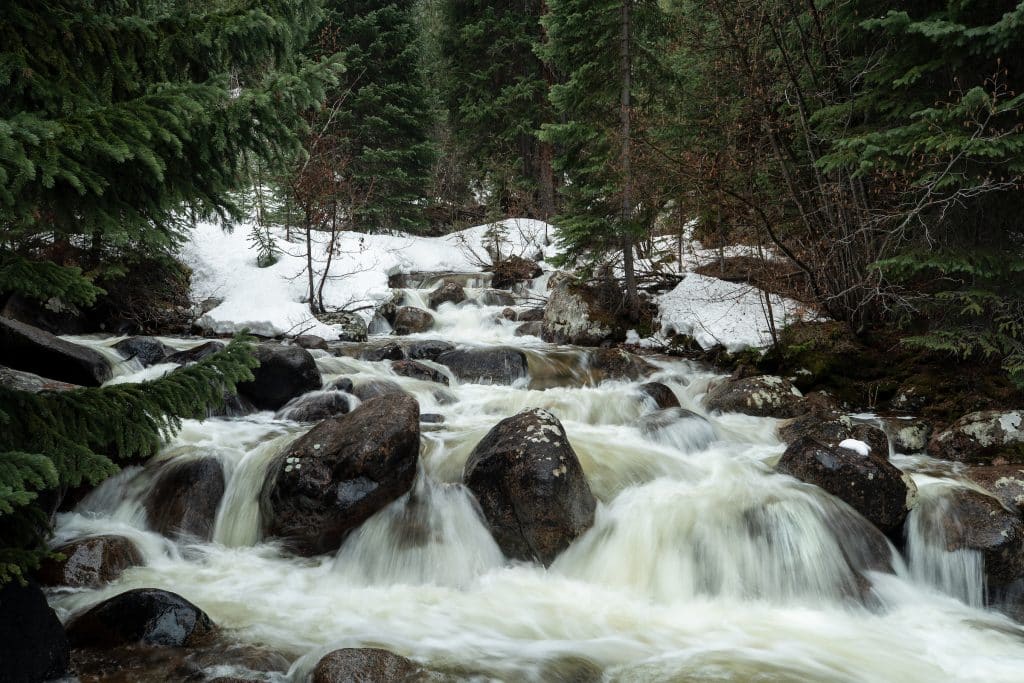
Todd Winslow Pierce/Eagle Valley Wild
For much of August this year, residents and visitors in the Eagle River Valley enjoyed what locals like to call “monsoon season.” Its presence was marked with nearly daily thundershowers in the afternoons.
The rainfall, which was welcomed by gardeners, anglers and all who have been wary of the growing threat of wildfire, brought relief to thirsty soils and dry vegetation. It may come as a surprise, therefore, that according to Colorado’s drought monitor, our region remains abnormally dry. Why is this?
Since drought is defined as a period of time with low streamflows and low precipitation, it may seem that the rains we observed this summer should have impacted the rivers significantly and lifted us out of the drought, at least in the short term. However, there are more factors that contribute to our streamflows than simply rainfall, and a major one is snowpack.
Snow is the main contributor to the water in local rivers, even in the summer and early fall, when there may be little or no snow visible in the mountains. When the snow melts, some of it remains near the surface, leading to the whitewater paradise that is enjoyed during runoff by kayakers and other river enthusiasts. However, snowmelt also seeps deep into the soils and rock of the mountains, becoming groundwater.
Groundwater is important to river ecosystems for many reasons, including its role in filling aquifers and re-entering waterways through springs, or places where water emerges to the surface because it cannot penetrate deeper into the rock or soil. Looking locally, the Colorado River and almost all of its tributaries rely heavily on groundwater. In fact, a study from the U.S. Geological Survey found that 56% of the water in the Colorado River was groundwater.

Support Local Journalism
Groundwater recharge takes place during snowmelt over a long period of time if the snowpack is significant and the temperatures and winds during spring and early summer are generally mild, but when we have a low snowpack or experience high temperatures and winds during spring and early summer, that groundwater recharge may not be as great.
This concept is similar to why the rains we typically experience during monsoon season increase the flows over a short period of time, but do not generally contribute to long-term reduction in drought severity. Our storms are frequently short and hard, and the rain may only saturate the top few layers of soil. The rest will either be used by vegetation or will run into a nearby stream. Snowpack, on the other hand, is more likely to enter our groundwater through the process of groundwater recharge.
The USGS uses the analogy of medicine and illness to describe this observation. Medicine may allow for temporary relief from symptoms. However, it will take long-term medicine or another medical intervention to cure the illness. Rain is like medicine, but high precipitation and lower temperatures are medical interventions.
As mentioned above, a number of factors can influence the rate of snowmelt that occurs each spring in these mountains. One factor that may be surprising is the presence of wind. The patterns of wind that we experience in Eagle County mean that we receive dust from all over the western United States. This dust increases the amount of heat absorbed in the snowpack, causing it to melt more quickly.
When there are multiple consecutive years of low precipitation, it takes multiple seasons of above-average precipitation to replenish the moisture in our soil. Until we have that, we will not have as much groundwater recharge, and we can expect lower flows following runoff.
It is important to note that even if the water we receive as rain does not lead to groundwater recharge, it is still crucial to our ecosystems and communities. From decreasing the immediate threats of wildfire to offering a temporary relief from high water temperatures for fish, the rains we receive also sustain vegetation, from forests to backyard gardens.
As we see a twinge of gold start to appear in the leaves of our High Country aspens and cottonwoods and the temperatures continue to dip lower at night, we might also be beginning to pull out and dust off those skis and boards from their summer storage. For the sake of our winter recreation opportunities, residents and visitors alike will be crossing their fingers for a winter of snow that falls early and frequently, building a solid snowpack and creating our winter paradise.
But as we’ve described, that same snowpack and the factors, such as wind and temperature, that impact it, will be a primary source of the streamflows of next summer and fall. So grab your favorite dancing boots – let’s get ready to start those snow dances!
Rose Sandell is the Education & Outreach Coordinator for Eagle River Watershed Council. The Watershed Council has a mission to advocate for the health and conservation of the Upper Colorado and Eagle River basins through research, education, and projects. Contact the Watershed Council at (970) 827-5406 or visit erwc.org.