Whitney: Protecting what makes Vail great means supporting federal funding for science
Valley Voices
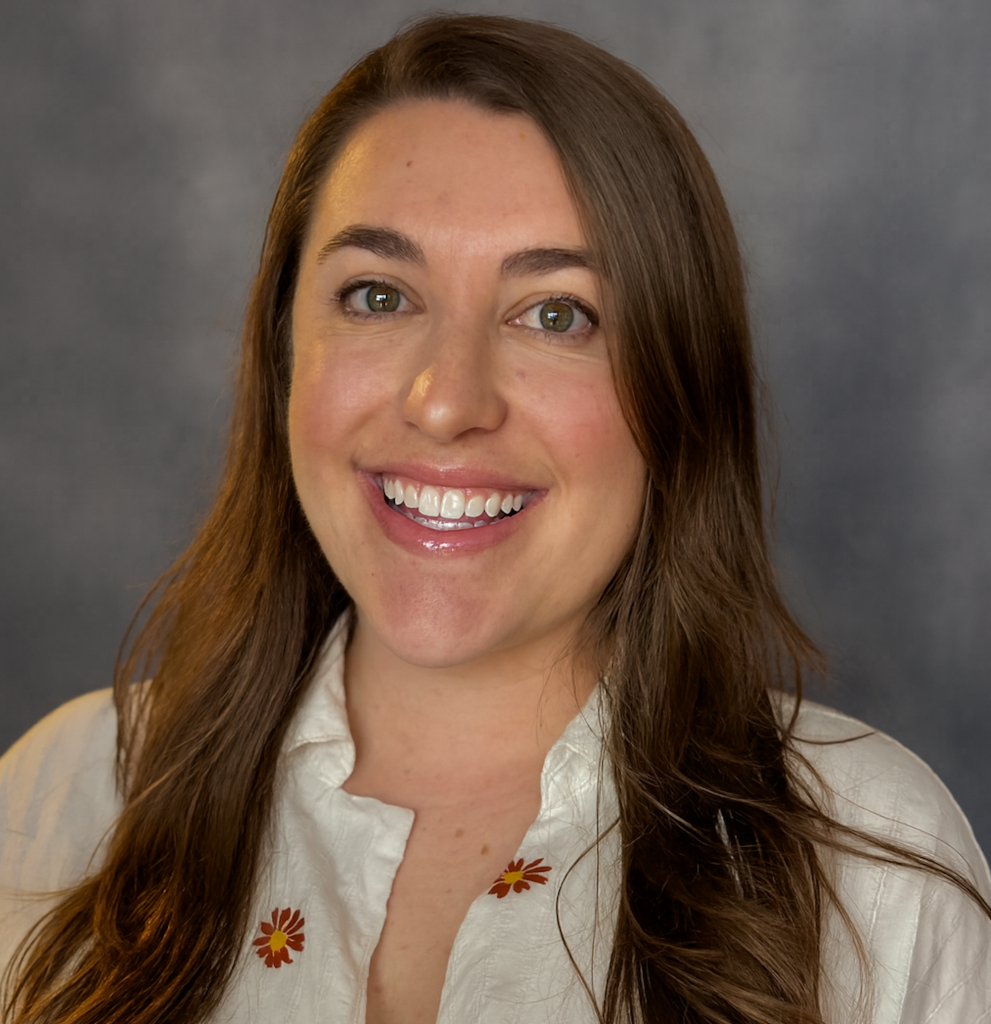
Courtesy image
I am one of the lucky few to grow up in Vail. My childhood was surrounded by nature and adventure. Living in Maloit Park in Minturn meant that my backyard was essentially a forest, one with endless experiences and discoveries. I could catch bugs in the yard for up-close examination and explore trails right outside my door. I was drawn to our environment and its wildlife, and from a young age knew I would devote my life to protecting them.
In high school, I seized every opportunity to engage in science, including interning at Walking Mountains Science Center with a focus on sustainability. From there, I searched for acclaimed institutions to launch my scientific research career and was lucky enough to get into the University of Oregon where I was able to attend thanks to federal student aid and loan programs.
Four years later, I enrolled in a Ph.D. program at Northwestern University and graduated this summer with a doctorate in anthropology. Along the way, federal scientific agencies provided crucial funds to support my work, including understanding the impacts of deforestation on communities and ecosystems. Federal grants from the National Science Foundation and the National Institutes of Health enabled me to transition from Vail to a top-10 university, positioning me at the forefront of global scientific research and innovation.
So, I did it — I became a conservation biologist, traveling the globe for research and presenting on the methodologies I developed — something I could never have imagined for myself in high school. Federal funding, once again, gave me an opportunity to return home and lead a project on drought resilience in the Colorado River Basin. I was set to pursue my lifelong dream of protecting our environment through a National Science Foundation Postdoctoral Research Grant. Instead, I’m left with feelings of despair and hopelessness.
Since President Trump and his administration took office, they have proposed major cuts and attacks on federal scientific agencies. Trump’s 2026 budget proposed a 44% cut to the National Institutes of Health [CQ], a 57% cut to the National Science Foundation, a 55% cut to the Environmental Protection Agency (EPA) and a 27% cut to the National Oceanic and Atmospheric Administration. These proposed cuts affect everything, from big universities to places like Walking Mountains Science Center, which also receives federal grants for programs. The cherry on top: the largest cut to the Department of Education in 50 years, targeting programs like the Pell Grant, which helped low-income students like myself attend college.

Support Local Journalism
Also on the chopping block: my research grant. National Science Foundation reviewers praised my project for its impact and recommended it for funding, but I was told it no longer fit shifting priorities. Under a different administration, building climate resilience in the face of a historic drought — work that protects communities from wildfire, water scarcity and economic risks — would have been championed, not shelved. The need to understand and safeguard the Colorado River Basin, and the lifelines it provides from communities like Vail to beloved places like Lake Powell Reservoir, is going unmet. And every cut only amplifies the risks we face.
I hope Congress rejects Trump’s proposed cuts, choosing to support science instead, and keep us at the forefront of global innovation, and make it possible for kids from the Vail Valley to pursue their career dreams. Hope is not enough, though. I urge readers to contact their legislators and advocate for increased budgets for scientific agencies and the Department of Education, as the Fiscal Year 2026 proposed budgets are being finalized. Call now. You can reach Sen. Michael Bennet’s office at 970-241-6631, Sen. John Hickenlooper’s office at 970-822-4530 and Rep. John Neguse’s office at 970-476-1017.
Tabor Whitney graduated from Battle Mountain High School in 2015 and recently got her Ph.D. from Northwestern University in Evanston, Illinois. Her research primarily takes place in Veracruz, México, where she works with local institutions to develop conservation plans for the endangered Mexican mantled howler monkey.