Carpe Wine: A world-wide upset in winemaking
How a blind wine tasting in Paris upended the entire wine world

Thomas Franks for Unsplash/Courtesy photo
In May of 1976, a quiet afternoon in a Paris hotel room produced one of the most consequential upsets in the history of modern winemaking — and one of the greatest stories American wine has ever told. The Judgment of Paris.
As we mark its 50th anniversary, it’s a story worth telling again.
Picture a small wine shop on the streets of Paris in 1976. Behind the counter stood the late Steven Spurrier — a courteous British wine merchant who, by most accounts, had no business starting a fight. But a fight was exactly what he was about to start.
Since Spurrier spoke English he would often have winemakers from California stop in to pour their wines. He kept finding himself caught off guard when he’d do a tasting. These wines were good. Yet nobody in the wine world seemed to know they existed, let alone take them seriously.
As Spurrier put it in an interview with TIME magazine in 2016, “I was an Englishman in Paris, I was already a square peg in a round hole. And these were very, very good wines. So why don’t we do something about it?”

Support Local Journalism
With his American colleague Patricia Gallagher, they put together an idea for a wine tasting event to coincide with the bicentennial of the American Revolution. But what wines should be included?
Gallagher first visited Napa wineries in 1975 for the initial research stage. Spurrier followed her notes on his visit to make final selections – six chardonnays and six cabernet sauvignons. Neither of them told any of the wineries what they were doing, they simply did a tasting, purchased a few bottles and left. The wineries had no idea their wines were soon going to be pitted against French wines.
With just two weeks before the event, Spurrier made a bold, now-legendary decision: rather than a simple showcase of American wines, the tasting would become a blind, head-to-head competition against France’s finest — white Burgundies and Bordeaux Grand Crus among them. It was a move designed to add intrigue, and to make the judges sit up and take notice. He was also getting very little interest in the event given the outcome seemed obvious — the French judges would taste, deliberate, and confirm what everyone already knew, France ruled.
The venue was the prestigious Intercontinental Hotel. The judges were drawn from France’s most respected wine and gastronomy circles — sommeliers from top Parisian restaurants, a leading vineyard director, and the editor of an influential French wine publication.
Invitations were sent to journalists from around the world. All of them declined, except George Taber, a correspondent for “TIME Magazine” based in Paris. After receiving a second invitation, Taber relented and attended as something of a favor to Spurrier.
Judging began with the white wines. The judges swirled their glasses, sniffed, sipped and spat, sure in their conviction that they could tell French wines from the American upstarts. They offered confident commentary. One praised a Napa chardonnay with “Ah, back to France!” — unaware he was drinking a California wine. Another dismissed a French Bâtard-Montrachet as having “no nose” — attributing it to California.
Unlike the judges, Taber had a list identifying the wines and their order — giving him a ringside seat to what was about to unfold.
Imagine the judge’s horror when the results were announced. They had given the top score to a California white rather than to a French white Burgundy! Yes, a boutique vineyard in Calistoga took the prize — Chateau Montelena’s 1973 chardonnay had beaten the best in France.
Rattled, the judges approached the red wine portion with fresh determination. Unfortunately for them, they again chose an American wine as the winner amongst the reds. This time it was a cabernet sauvignon from Stag’s Leap Winery near Yountville in the Napa Valley.
America had swept both categories. The wine world would never be the same.
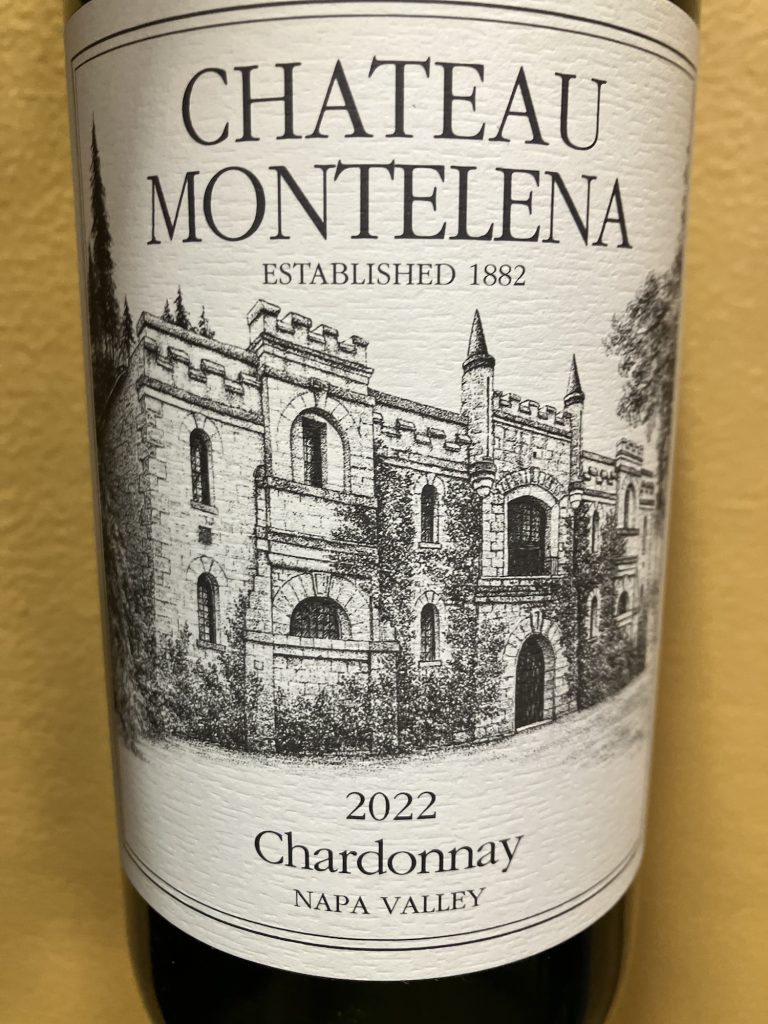
Taber, that one journalist who did show up that day, filed four short paragraphs for “TIME Magazine.” That story spread through the wine world and beyond, dismantling the idea that France held a monopoly on excellence.
The competition had proven that exceptional wine could come from anywhere, and winemakers across the globe took notice. The state of California had around 300 wineries in the mid-1970s, today there are nearly 5,000. Other states in the country also took notice. Hampered by a post-Prohibition laws many states began changing agricultural rules and introducing incentives to encourage winemaking in the late 1970’s and early 1980’s. Today, every 50 of the United States produces wine.
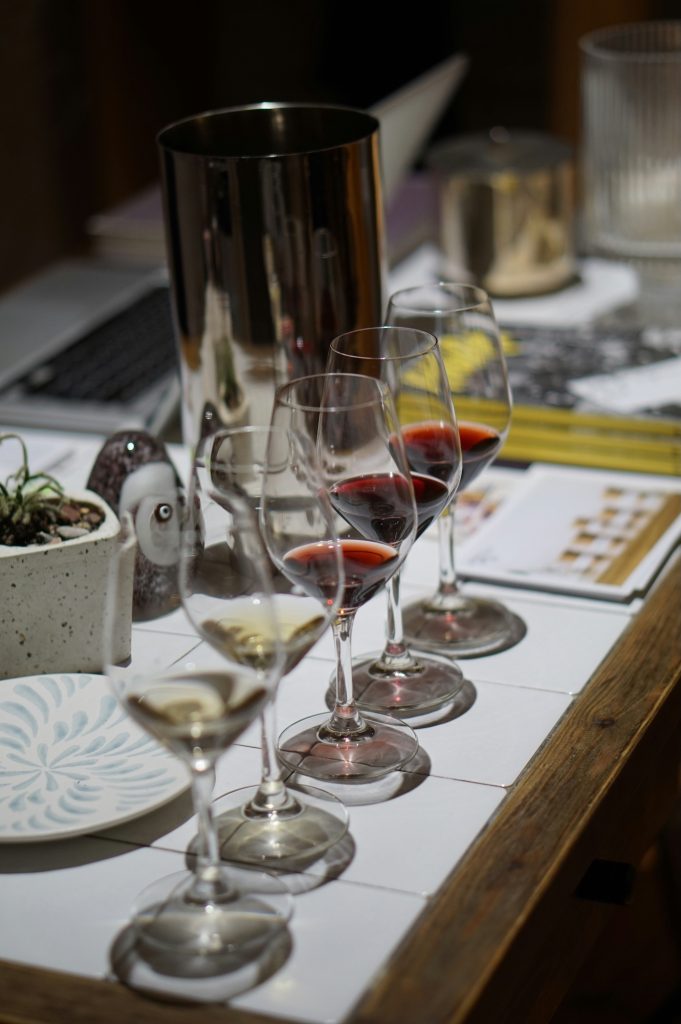
In honor of the 50th anniversary of the Judgment of Paris, it’s time to celebrate! Grab a bottle of chardonnay from Chateau Montelena (or Grgich Hills Estate) or a cab from Stag’s Leap and settle in with the film Bottle Shock. It’s an entertaining depiction of the events that led up to the legendary blind tasting and how it all went down.
Hollywood being Hollywood, the filmmakers took some creative liberties and left out some key players — most notably Mike Grgich, the winemaker at Chateau Montelena who crafted the winning chardonnay and later went on to found Grgich Hills Estate in Napa Valley. But hey, it’s still a great watch.
Elaine Schoch is an award-winning travel writer and wine judge, certified by the Wine & Spirit Education Trust (WSET) Level 2, and a certified American Wine Expert. She is also the editor at Carpe Travel, a content site focused on wine travel. You can follow her wine 101 and sipping adventures on Carpe Travel or Instagram.