Author Sue Deagle visits The Bookworm of Edwards to talk about navigating loss
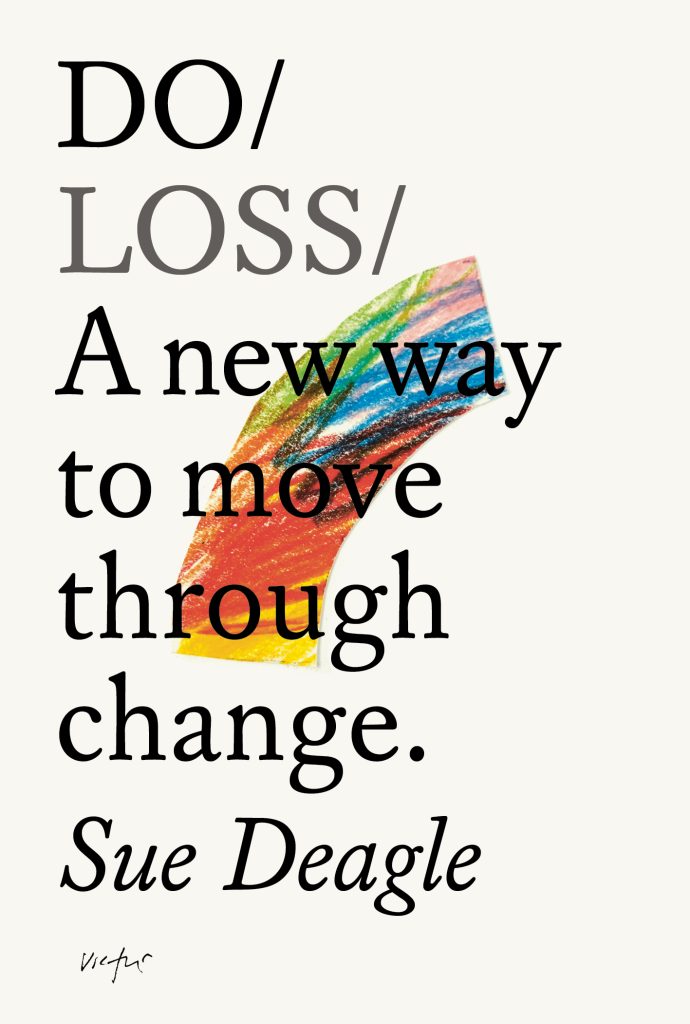
Chances are you, or someone close to you, has lost something. Not something small, like a wallet, but something big, like a spouse, a job, or a way of life. It can be incredibly difficult to navigate those big losses and life changes. Luckily, author Sue Deagle has written a guide for moving through loss of all kinds toward a different kind of great.
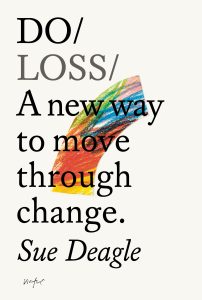
On Tuesday, March 10 at 6 p.m., learn from writer, speaker and widow Sue Deagle about her recent book “Do Loss,” an essential guidebook for navigating all kinds of loss. There will be Q&A and book signing following the presentation, and light refreshments will be provided.
Like most of us, Deagle has been experiencing loss for a large part of her life. “My first real lesson in loss came as a teenager,” Deagle reflected. “I grew up in western Pennsylvania steel country, and when the mills closed, everything fell apart around us. My dad, and all my friends’ fathers, lost their jobs. Then, three decades later, on a November night in 2016, my fit and healthy fifty-year-old husband Mike died suddenly. What got me through wasn’t a single breakthrough. It was a friend promising things would be great again — not the same, but great. Daily walks in the woods when my brain couldn’t handle anything more than how a leaf felt between my fingers. Finally letting people help me. And loss kept coming after that — the empty nest, leaving a 30-year corporate career. But each time I had more tools, more things to try, more experience, plus a mindset that focused on possibility, belief in myself, and active engagement in the way forward. My life today is genuinely, abundantly great. Different than I planned. Better than I could have imagined.”
Deagle’s experiences and research taught her many lessons about loss and resilience that challenge society’s current perspective on loss. “I truly believe on an individual, community and societal level, talking about loss makes for better living,” Deagle stated. “We have a collective code of silence around loss, and we don’t have the vocabulary nor understanding of how loss actually works, let alone how to navigate it. Then in the aftermath, society has this quiet but persistent story that loss diminishes you permanently. But that’s not what the science says. And it’s not my experience. Nearly ten years after a catastrophic loss, my life is bigger than I ever imagined. What I’ve learned, through researchers and rock stars and military veterans who face loss as part of the job, is that resilience isn’t rare or arbitrary. It’s our default mode. When we gain even a basic vocabulary for loss, understand what’s actually happening in our brains and bodies, and shift our mindset from avoidance to navigation, we can carve our own path through.”
This vocabulary and understanding of loss is especially important to have in our current time. “Right now we’re living through a moment of enormous collective change — careers disrupted, relationships shifting, identities in flux,” Deagle said. “And most of us are still using the same old playbook: don’t talk about it, push through, stay strong. That approach isn’t working. It leaves us isolated and anxious. What I’ve found — through my own losses, through years working alongside military veterans who are trained to face loss directly — is that there’s a better way. And it’s learnable. That feels urgent to me right now.”

Support Local Journalism
Not only will readers of Deagle’s book “Do Loss” learn about loss on a societal level, she also hopes they will take her lessons and apply them to their own lives. “I hope readers learn that loss does not have to make you less than,” Deagle reflected. “By moving through loss with intention — not always getting it ‘right’, but trial-and-erroring our way forward — we transform. By reading my story, and delving into the playbook, I think readers will see themselves. After all, that’s what storytelling does — it shows you yourself in someone else’s skin. This chance to reflect will allow readers to come away empowered, realizing they have been navigating loss all along, and are far stronger than they think.”