Where the locals go: Small businesses struggle with relocation on top of a low-snow season

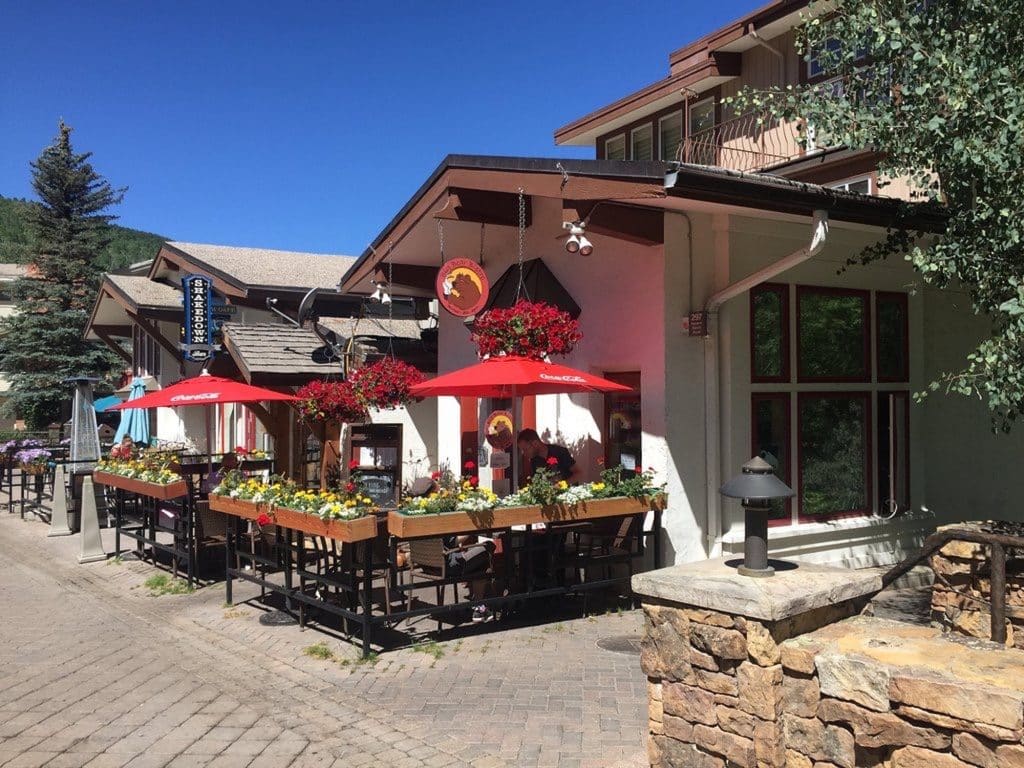
Photo courtesy of Big Bear Bistro
Note to readers: This is the second in an ongoing series on the vitality of Vail (for the first installment click here). As iconic buildings erected in a hurry in the early ’60s boom days require renovation, developers are looking to high-end retail to pay the way, sometimes forcing out iconic local businesses that can’t afford the rent. The town of Vail is looking for ways to keep Vail’s fun, funky stores, restaurants, bars and clubs in town as it adds hundreds of new residents with its massive investment in local’s housing.
Recent redevelopment projects in Vail have added a layer of angst to an already fraught ski season for a wide variety of small businesses, from ski-rental companies to food and beverage operations now concerned about relocation as rents continue to rise.
Several recent storms have helped, but through the holidays Vail and Beaver Creek saw record low snow totals and warm temperatures, which translated to fewer visitors and therefore less revenue for local businesses — several of which are now struggling with the added stress of relocation.
“The impact, I think, we will start to really see the fallout of in the next couple months of the dry season we’ve had,” said Katie Bristow of Black Tie Ski & Bike Rentals in Vail and Big Mountain Tuning. “Of all seasons, the small business community did not need a dry season.”
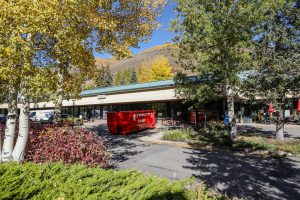
Bristow formed a small business association of commercial tenants in Concert Hall Plaza in Lionshead last fall as redevelopment plans and an ownership change for the aging commercial building in Vail’s Lionshead area started working their way through the town’s approval process.

Support Local Journalism
“Right now, the biggest ticket item is timing,” Bristow said. “I think everyone really just wants to get a full ski season in next year because it’s plausible that some of us will be asked to move out midwinter, and that’s not something we want to have to do.”
Bristow’s businesses need to be near the lifts, but she said rents keep climbing and some owners are understandably looking to redevelop what’s known as Class C properties that were built in a hurry in the 1960s, 70s and 80s. But with redevelopment comes upward pressure on rents.
“It can be a little precarious to be on top of everything,” Bristow said. “And I think however we can find solutions as a collective to support the small business community as it goes through these changes is going to be key. The meeting we had (with the town) was productive, and it’s great that these types of conversations are happening because redevelopment is inevitable.”
Town officials, at the direction of the Vail Town Council, are exploring a variety of tools for trying to keep unique, local, small businesses in town to build on Vail’s vitality. Bristow recommends getting organized with other small businesses, engaging commercial-space owners and definitely working with the town as it focuses on trying to be part of the solution.
She’s hopeful the businesses she’s run with her husband since 2012 (since 2018 in Concert Hall) can find the right spaces to continue to provide the high level of service Vail’s clientele has come to expect over the years.
“There might be an opportunity to come back (into the redeveloped project), but it all really depends on affordability,” Bristow said. “That’s what you’re going to see from anyone that is a year-round resident here running an operation and managing a payroll for 30 to 40 people. It’s all going to be about affordability.”
The newly approved project is likely not conducive to food and beverage (F&B) operations like the iconic Little Diner in Concert Hall, and in general it’s been a tough year for beloved F&B in Vail. The pending redo of the Red Lion Building in Vail Village has similarly meant this is the last season for the Blü Cow restaurant in its current location, while nearby Big Bear Bistro is also searching for a new home in Vail.
Big Bear Bistro owner Vidette Gehl hopes she can keep her deli-style sandwiches in Vail Village somewhere but is losing hope on the front.
“It may be Lionshead, but yes, I’m hoping and I prefer Vail Village itself, but it’s not looking so hot,” Gehl said, adding she recently opened a new location, Little Bear Cafe in EagleVail. “So what happened was Little Bear came about before I even knew about this Big Bear thing or I may not have done this, because I spent money opening Little Bear and now I’m going to have to spend money to move Big Bear.”
Gehl said she’s working with the commercial space owner in the Red Lion Building and hopes to stay in her current location through the summer as the project works its way through the town’s design and review board that enforces building exterior modifications.
She said she hopes Vail doesn’t lose to many of its unique small businesses as redevelopment projects move forward.
“It’s sad, and it’s hard, because … the landlords are just jacking up the rent like you wouldn’t believe,” Gehl said. “I’m really nervous. Everything I’ve looked at (in Vail Village) is going to cost me twice as much, if not more than twice as much, actually. And I don’t know if I’ll make it. I’m going to have to have longer hours and a bar and it wasn’t what I wanted. I wanted to keep the little deli, you know?”
Besides its no-net-loss of F&B to high-end retail emergency ordinance, the town is exploring incentives, tax breaks, municipal ownership and other tools to possibly subsidize local businesses in the same way it’s currently subsidizing local’s housing.
“I think that would be a great idea,” Gehl said, “but I don’t know what they could do.”
First Chair owner Drew Riley says his family owns the commercial space where his locals-oriented specialty burrito shop and bar is one of the tenants, but he’s been on the other end as an owner of Los Amigos restaurant when the owner of the building wanted to go in a different direction. He likes the idea of the town exploring ways to help restaurants and bars stay vital.
“Anything to help with restaurants in the first three years, or the first five years of getting started, because that’s the hardest part,” Riley said. “(Local’s housing projects) are a success from government subsidies going in there for people to buy these places and be a part of the community again. So, if that’s the case, much more people would want to start restaurants if they knew that they at least had the first three years and to really help on the runway, or locals discount to have people be in a certain amount of price range or something like that.”
As far as who the locals are, at First Chair, Riley said that doesn’t really matter. You can be a second homeowner who comes to Vail a lot, a frequent visitor, or a year-round resident.
“What First Chair is really focused on is the locals. No question, if you come in and say you’re a local, we’ll sign you up for a local card and it gets you 15% off your entire order whenever you come in,” Riley said. “I see the value in getting locals in there having a fun place to hang out and you know we’re really focused on hospitality, having great bartenders that are very welcoming so that it just gets as many people in the door to have a good time as possible.”
Riley is sad to see places like Blü Cow and Big Bear having to move, and he doesn’t want to see more places shut down or having to transform to go after the high-end market — something he said happened with the building housing Los Amigos transforming to the Sixty Two Society.
“It’s a higher-end restaurant, and it eliminates that the local crowd from being there, and the problem that he’s going to run into is the seasonality aspect of the uber wealthy being here for only two to three months out of the year,” Riley said.
He points to the transformation of the former Larkspur restaurants at Golden Peak into the high-end food court of Avanti’s a great development for keeping Vail vibrant, especially for young families.
“Way better than Larkspur. Larkspur was great too. Don’t get me wrong, like I loved the food, but it only appealed to the uber-wealthy and (Avanti’s) probably the best thing,” Riley said. “Look how well a place can do that’s built for the masses and not built for the uber-wealthy.”
NEXT: The Euro vibe: Vail was founded in the footsteps of the great Europeans ski resorts, but is it losing its Alpine vibe? Perhaps the most essential element, European immigrants to Vail agree, is maintaining Vail’s vitality by keeping workers and local residents in town year-round to live, shop, work and play.