After pushback from police, Colorado lawmakers kill bill that would have regulated license plate cameras like Flock
Proponents argued for guardrails amid a proliferation of surveillance technology, while law enforcement warned the measure would have impeded their job

Robert Tann Follow
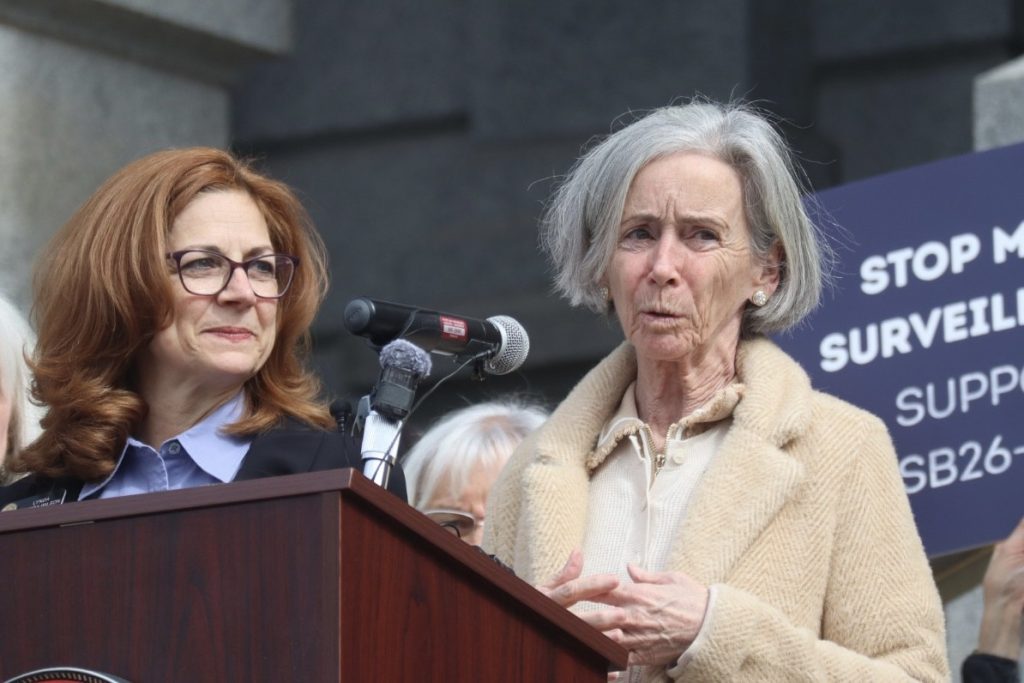
Robert Tann/Vail Daily
A Colorado bill that aimed to regulate how police and local governments use data from license plate cameras like Flock will not move forward in the state legislature this year.
Proponents decided to postpone the measure, Senate Bill 70, until July, effectively killing it for the 2026 legislative session that ends on May 13.
Bill sponsor Sen. Judy Amabile, a Boulder Democrat, said the move came following an intense lobbying campaign by law enforcement urging lawmakers to reject the bill, and a veto threat from Gov. Jared Polis, who raised concerns with the bill’s provisions on warrants. Proponents say they plan to revisit the policy next year.
“We intended to put basic, common-sense guardrails on license plate reader data and how it’s used, and protect the privacy rights of Colorado citizens,” Amabile told her colleagues on the Senate floor on Wednesday, April 29. ” … We’ve decided that we need to come back (and) live to fight another day, and that is what we intend to do.”
Eric Maruyama, a spokesperson for Polis’ office, said in a statement that the governor has “consistently said that he would support codifying best practices into law as it relates to license plate readers. However, (SB 70) went much further than that, and would have negatively impacted public safety.”

Support Local Journalism
The measure came in response to a proliferation of license plate reading cameras on Colorado roads, including in mountain towns and along the Interstate 70 mountain corridor. These cameras are different from speed cameras and are used to compile a database on drivers that law enforcement agencies say has become a key tool for investigating and solving crimes.
But they have also generated blowback from communities over concerns of mass surveillance, as more local governments and private companies contract to install license plate readers, creating a surveillance web with the ability to track drivers’ movements across the state.
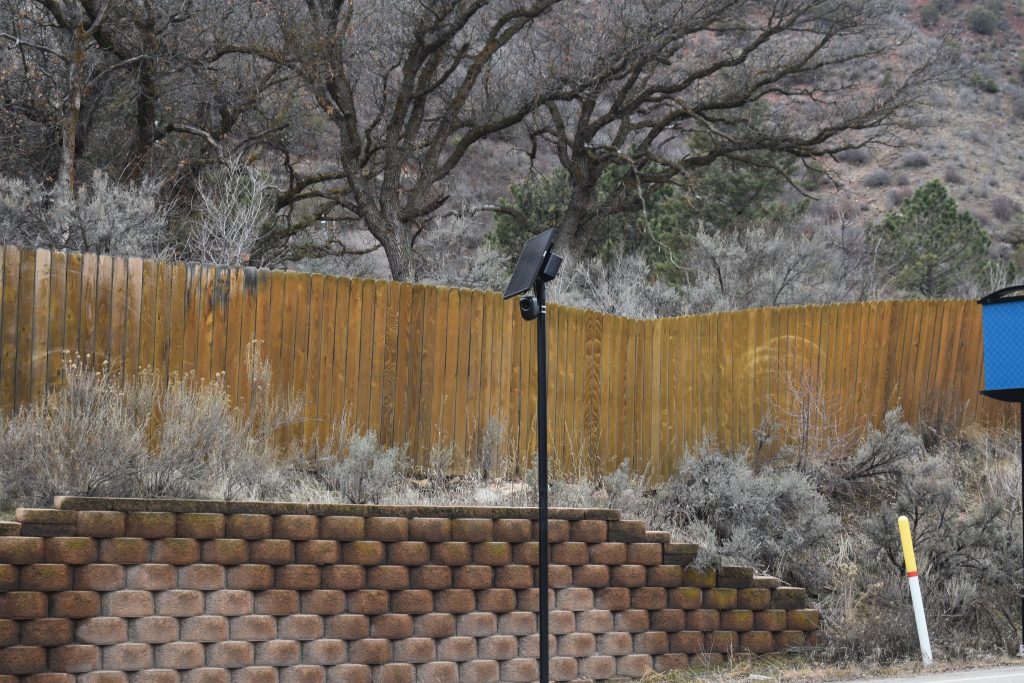
SB 70 would have prohibited law enforcement and local governments from using those cameras’ database to access information on an individual in most circumstances, unless they had a valid warrant or the person’s consent. It would have provided exceptions for parking and traffic enforcement.
The bill also would have prevented officials from sharing data with out-of-state jurisdictions and required agencies to keep a record of when they access a database. Some amendments were made to the bill to quell concerns from law enforcement groups. That included allowing data to be stored for up to 30 days, up from five days originally, and requiring a warrant for data that is older than 72 hours, up from 24 hours.
The bill also allowed law enforcement to access data in emergency situations where getting a warrant may not be practical, and clarified that limitations on data-sharing only apply to out-of-state agencies, not between local jurisdictions.
Still, the measure faced pushback from police and sheriffs in communities across the state, who testified for hours against the bill during its first committee hearing in February.
The Colorado Association of Chiefs of Police, in a statement Wednesday, said the bill, as introduced, imposed rigid timelines that could have prevented officers from accessing critical leads.
“In many investigations — especially those involving violent crime, sexual assault, organized theft and missing persons — leads develop over days or weeks, not just hours,” the association said.
“We recognize that concerns about privacy, data security and public trust are real and deserve thoughtful discussion,” the association said. “Colorado police chiefs remain committed to working with lawmakers on balanced solutions that protect both privacy and public safety. Coloradans should not be forced to choose between the two. The goal must be responsible safeguards that preserve investigative tools that help keep communities safe.”
Sen. Dylan Roberts of Frisco, who was the only Democrat to vote against the bill during its first committee hearing, said in a text message, “We heard loud and clear from law enforcement during the committee hearing that crimes are solved and further crime is stopped using this technology.”
He added, “I think there may be a more targeted way to protect against any misuse of personal data while not sacrificing the ability to quickly respond to crime and keep people safe.”
Sen. Lynda Zamora-Wilson, an El Paso County Republican who co-sponsored the bill in the Senate with Amabile, said she believes the legislation struck a balance between public safety and people’s civil liberties.
“I support our law enforcement. I have family members in law enforcement,” Zamora-Wilson said Wednesday on the Senate floor. “I know the technology they use protects citizens, and it can save lives, and I greatly appreciate their sacrifice and service.”
She added, “That being said, I have constituents who are concerned about the proliferation of such technology and the impacts to their privacy.”
Amabile said the longer lawmakers wait to pass regulations on licence plate readers, the harder it will be to “rein in this technology in a way that will work for all of us.”
“Our failure to act here should be a wake-up call to local governments, to cities, to counties across the state to say, ‘Please, act up,'” Amabile said. “Find a path to insist on guardrails in your community and make sure that your city isn’t unleashing this technology without you knowing about it and without you agreeing to it.”
