Lionshead Concert Hall Plaza redevelopment is one step closer to becoming a reality in Vail
Controversial project has the potential to displace several cherished businesses

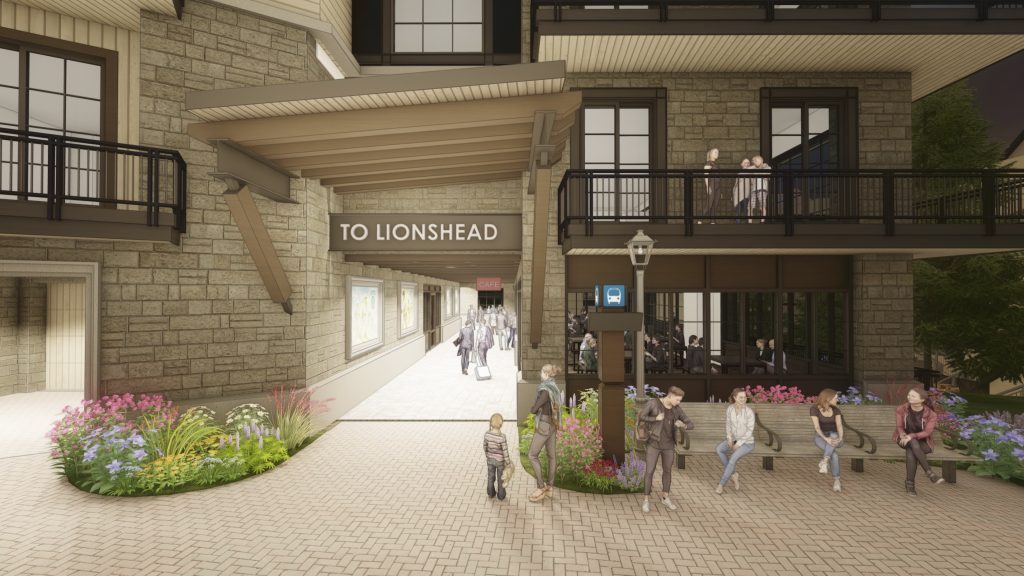
Courtesy image
A controversial plan to replace Lionshead’s Concert Hall Plaza with a new mixed-use project is one step closer to becoming a reality after earning unanimous approval from Vail’s Planning and Environmental Commission on Monday.
Project planner Dominic Mauriello, with Mauriello Planning Group, told commissioners the design was crafted to fit in with nearby redevelopment projects while keeping Lionshead’s village feel.
“Retaining Lionshead’s character, maintaining a healthy, year-round recreational offering for guests and locals, and ensuring a thriving local business economy, we think, are shared values,” Mauriello said.
Uncertain future for cherished local businesses
Emotions ran high during the approval process, as several of Lionshead’s most cherished locally owned businesses, including Sunshine Massage and the Little Diner, could become displaced by the remodel. Concert Hall Plaza contains a basement-level commercial area, which would need to be replaced by parking if any redevelopment were to occur on the site, according to the town code.
Commissioners pointed out that they had to examine the project based on its conformity with the town’s codes and existing master plan for the area. Acting as board chair at the time, Commissioner Brad Hagedorn said the commission pushed hard for the plan to contain as much commercial space as it could on the ground floor in the hopes of retaining some of the businesses that are there now.

Support Local Journalism
“Somehow, when this building was built, it was built with no parking, none at all, and with redevelopment, the town code now requires that this building has to be parked, and that is a reason for why this below-grade commercial is no longer feasible,” Hagedorn said. “Currently, in our code, we have no provisions for compensating existing businesses for dislocation. I understand the emotional aspect of it and the difficulties it creates. But if it’s something that this council tried to require as a condition, we’d basically be sued to oblivion.”
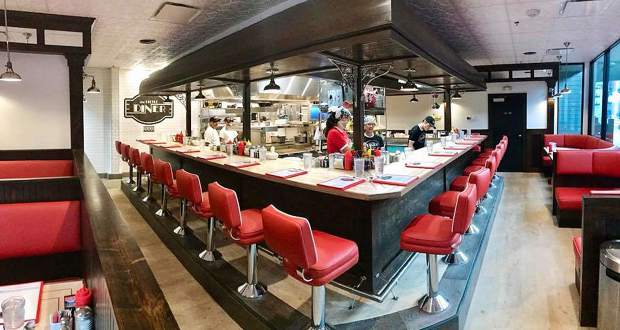
Hagedorn encouraged citizens to talk to the town’s elected officials about codes that could be put in place to preserve legacy businesses in town.
“There are other mountain communities that have provisions in the code to handle situations like this,” he said. “The town of Vail does not.”
Commissioner Robyn Smith described the building as a “Class-C” property based on its age and condition, saying Class-C properties in Vail provide more benefits than people might realize.
“Class-C property is the last little reservoir of where we live and where we do business and where we go out to dinner,” Smith said. “And every time we lose that old, run-down class-C property, we lose the people in it. It happens on the residential side, we have a housing crisis because of it, it’s going to be happening on the commercial side, and this is the next wave.”
Smith encouraged everyone who expressed disappointment in the possibility of the project getting approved to advocate on behalf of policy change at the Town Council.
“It just takes four hands to change the law,” she said. “I understand that emotion that goes into seeing some of these businesses displaced, but we don’t have any policy tools to prevent or mitigate the displacement of the businesses that we love. There’s not a lick of requirement in any of our core that allows us to speak to that, and there’s nothing that we can do to force these folks to bring back any of the businesses.”
Commissioner Bill Jensen referenced the fact that the building was one of the oldest in Lionshead, dating back to the ’70s when the village was first built.
“I walk through Lionshead and there’s some things that have been done that really are beautiful, and then there’s some things that have lived a life from the ’70s, and when you start looking at 50 years, it doesn’t have maybe the same appeal that maybe we see in 50-year-old buildings in Europe at resorts,” Jensen said. “I think Lionshead, that project in the ’70s, was rushed on many things, just because of the growth of the community and the growth of the resort itself.”
What Concert Hall Plaza developers are proposing
Jensen said the new Concert Hall Plaza proposal is warm and vibrant, and could be a catalyst for more redevelopment in Lionshead. He said perhaps there could be a way for the developer to “really look inside themselves to see if there’s a solution that they can participate in that maintains some of that spirit that our community,” referencing a project that he is part of in the Lake Tahoe area.
“Our landlords participate with us on tenant improvement and six-figure participation in tenant improvement, so that we can raise the quality from class-C commercial but maintain that spirit that the tenants there now provide,” he said.
The Concert Hall Plaza proposal calls for redeveloping the complex into a modern building with nine residences, commercial space, enclosed parking and a more welcoming pedestrian connection through the site. More than $50,000 in public art installations are also planned to enhance the community space.
Among the changes made during the review process were a 13-foot-wide pedestrian path through the building, revised landscaping along the south and east sides, and design tweaks such as step backs, roof forms, and bay windows to better align with Lionshead’s guidelines.
The approval comes with several conditions, including design review sign-off, payment of transportation impact fees, council approval of a modified pedestrian easement, and compliance with employee housing requirements.
The project will head next to the Vail Design and Review Board, which will also need to approve the project before it can move forward. The Vail Town Council must also review and approve the modifications to the existing pedestrian easement, as well.