Curious Nature: Stories in scat
The varied diets of Black Bears in Colorado reveal how humans are changing animal behaviors.
Curious Nature
Licensed from Adobe
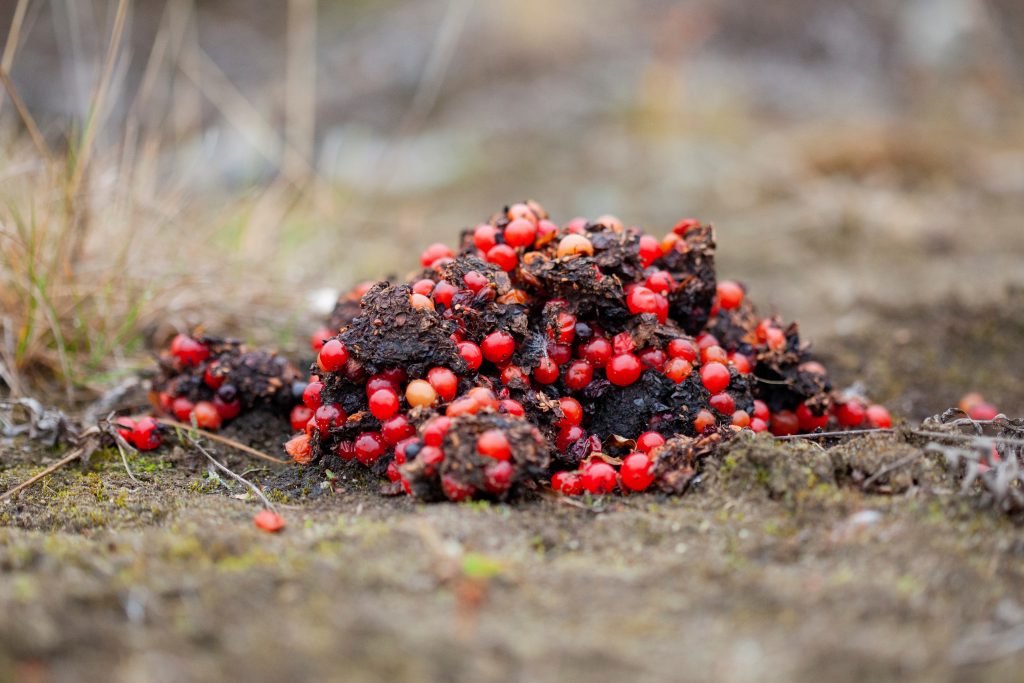
Have you ever wondered why a pile of poop in the woods smells sweet? Probably not. But, if you find a sweet smelling, plop-shaped, berry-filled pile of poop, chances are you stumbled upon black bear (Ursus americanus) scat. And, chances are you are walking around your Colorado neighborhood or hiking your favorite trail in the summer or fall.
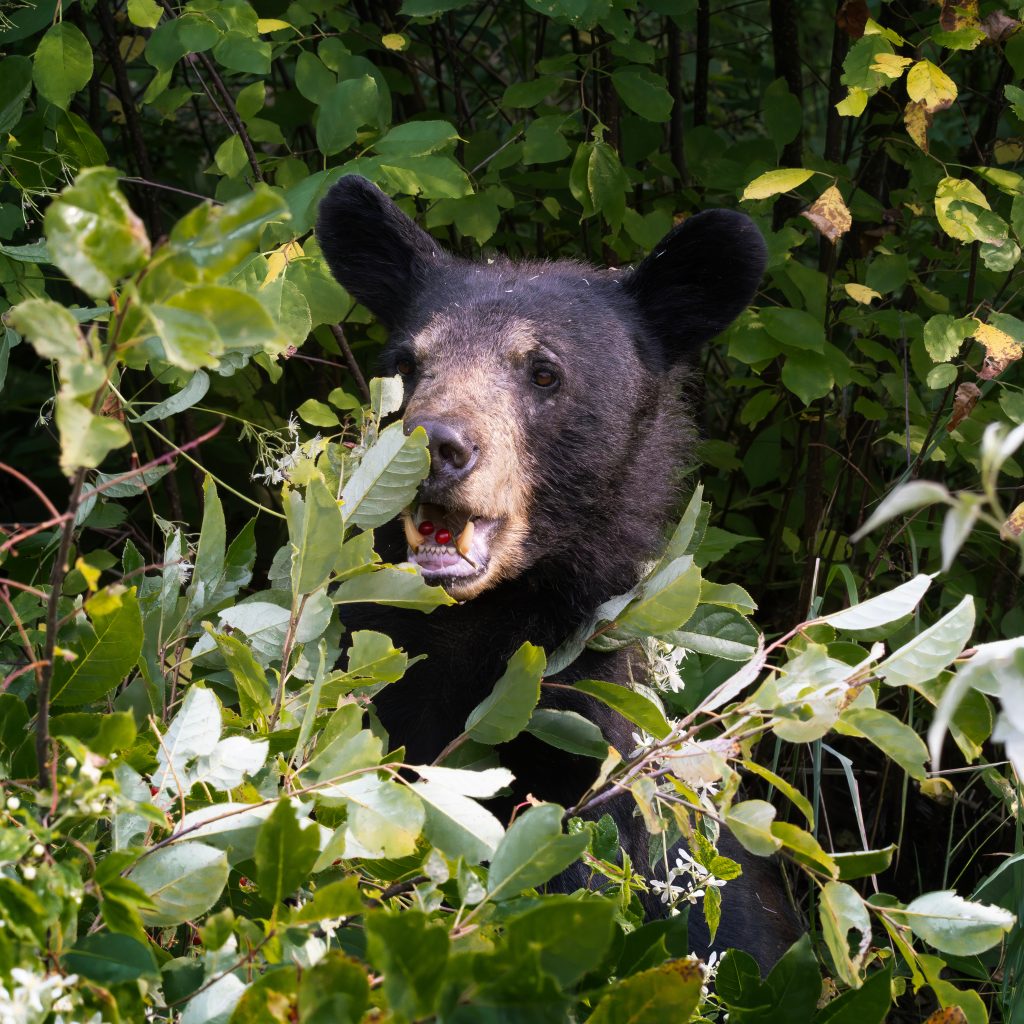
How do I know the time of year you found this scat? Easy! It is because black bears are omnivores and experience seasonal dietary changes. In the spring, when bears awaken from their long hibernation, they rely on sources of food like ants, insects and grasses to sustain themselves. During the springtime, bear scat may look slightly green and tubular with visible clumps of vegetation. As the seasons change and summer defrosts the last chills of spring, flowers and berries begin to appear. Despite black bears’ size and fierce reputation, vegetation is their most important dietary group, so bears take advantage of the available berries. During the summer and fall, bear scat falls in large piles or plops and appears darker in color. Traces of berries and ants are visible as well. Bears also scavenge other animal kills, but it makes up a small percentage of their diet. Usually, the scat of bears who have eaten meat may look more brown in color and can contain bone fragments or hair.
Bear diets are changing, however, and it is directly connected to human habitat expansion. The Colorado Front Range is a large wildland-urban area experiencing rapid urban growth, providing plenty of opportunity for humans to interact with wildlife like black bears. A 2016 study examining the diets of almost 300 black bears in Colorado found that bears living in areas with large human populations had diets containing more than 30% human food sources. Basically, where there are humans, there will be trash, and bears are happy to munch on our food waste whenever possible. While human-subsidized food sources have been found to increase the overall bear population size, it decreases the activity levels of individual animals and decreases the size of the range a bear usually inhabits. But, diet change isn’t the only threat trash poses for Colorado black bears.
Black bears who are not a public threat but are considered a threat to property are labeled “nuisance bears.” The first time a nuisance bear is reported, the bear can be relocated by Colorado Parks and Wildlife; however, this often does not stop the problem. As long as the food source exists, whether it be a dumpster or an improperly secured household garbage can, it is likely that a new bear will take advantage of the food source. And unfortunately for black bears, the second time a nuisance bear is reported, it may be euthanized. Nuisance bear cases are the largest cause of bear reports in Eagle County and in 2023, over 25% of the total bear reports were nuisance bears.
What does this have to do with us? What can we do about it? The best way that we can protect black bears from becoming nuisance bears is by properly securing our food waste and trash. Make sure all outdoor garbage cans are wildlife-resistant, and only put out trash bins for pickup the morning they are scheduled to be emptied. Make sure to secure the bins again by early evening that same day. While these habits may seem trivial, properly securing and disposing of your trash supports natural bear behavior and may even save a life.

Support Local Journalism
Anna McCormack is a naturalist with Walking Mountains.