Q&A: Meet the Democrats vying for Colorado’s 3rd Congressional District
Alex Kelloff and Dwyane Romero are facing off in the June 30 Democratic primary


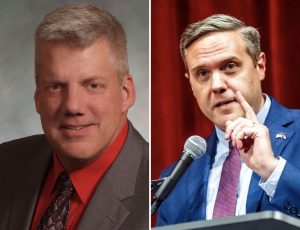
Courtesy photos
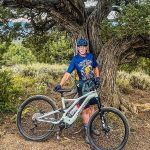
Alex Kelloff and Dwyane Romero are both candidates in the June 30 Democratic primary for Colorado’s 3rd Congressional District. The Vail Daily asked each candidate five questions about some of the key issues facing the district.
Question 1: Colorado’s 3rd Congressional District is broad and diverse, from ski towns to ranching and farming communities that span the political spectrum. As a member of Congress, how will you ensure you are representing all your constituents, even those who might not have supported you?
Kelloff: Colorado’s 3rd Congressional District works best when people feel heard and respected, regardless of party or ideology. Our communities may look different, but people across the district share many of the same concerns: affordable housing, reliable healthcare, strong local economies, water and protecting public lands.
I believe representation starts with showing up and listening; that’s why I have spent over a year traveling across the entire district to connect with people from every single community. I’ve heard directly from ranchers, farmers, small business owners, teachers, health care workers and working families. People in western and southern Colorado are tired of political drama and want practical leadership focused on results.
I’ll work to make sure local communities have a real voice in the decisions coming out of Washington, D.C. by continuing to show up and listen when I’m in office. Importantly, I’ll make sure we have staffed offices across the district to ensure that people have a voice.
Romero: The only way to make sure you connect with everyone in a district this large and diverse is to beat feet and talk to people one on one. That’s important to me — it’s been true on the campaign trail — and it is true if you are the representative. Unfortunately, Jeff Hurd literally has been phoning it in rather than having in-person town halls with his constituents. When I am elected to Congress, I will continue to travel across this district and connect with voters directly.

Support Local Journalism
Question 2: The cost of living in Colorado’s mountains, from housing to childcare, continues to challenge working residents. What actions can Congress take to actually lower costs for western Colorado?
Kelloff: The cost of living crisis is one of the biggest challenges facing western and southern Colorado. Too many people can no longer afford to live in the communities they serve.
Congress should support workforce housing, rural infrastructure and economic development that helps communities grow responsibly. We also need to expand access to affordable childcare and strengthen rural healthcare systems so families are not being squeezed from every direction. Supporting small businesses, agriculture and local industries will help create stronger local economies and better-paying jobs that allow people to stay in the communities they love.
Romero: Prices are out of control, especially the cost of food, gas and healthcare. The President started a war that jacked up prices at the pump, and cut healthcare spending to the bone, driving up how much it costs to buy medicine or afford health insurance. Congressman Hurd has been a rubber stamp for that agenda. When I get to Congress, I will stand up to the President or politicians to keep costs low.
Question 3: Your district is home to some large immigrant communities, particularly in resort towns. Do you believe federal immigration policy is hurting or helping these communities, and would you support any changes to the way agencies like Immigration and Customs Enforcement currently operate?
Kelloff: Immigrant communities are an important part of the economy and culture of Colorado’s 3rd District. Right now, our immigration system is outdated and too often driven by political rhetoric instead of practical solutions.
We need secure borders and an orderly immigration system, but we also need policies that recognize economic realities and treat people with dignity and respect. I support comprehensive immigration reform that improves legal pathways for workers, protects due process and provides stability for families who have built their lives in our communities. Enforcement should focus on genuine public safety threats while operating with transparency and accountability.
I am proud to have received the endorsement from Vocas Unidas, who put their trust in me to prioritize our immigrant communities.
Romero: Washington has failed on immigration for decades. We can secure our border, uphold our values, and fix a broken system — all at the same time. It’s not a partisan position; it’s a practical one. And practical solutions are what this district deserves. A comprehensive plan means continuing to secure the border, reforming ICE and banning agents from wearing masks, hiring more immigration judges, and outlining a path to legal status for long-time, law-abiding undocumented immigrants.
Question 4: Public lands sales were a contentious issue in Congress last year. Do you support the idea that some public lands should be sold, and, if so, how should those decisions be made?
Kelloff: Public lands are central to the economy and identity of western and southern Colorado. They support recreation, agriculture, wildlife habitat, tourism and water resources that communities across the district depend on. Once public lands are sold off, they are very difficult to recover.
I strongly oppose broad efforts to sell off public lands for short-term political or financial gain. In limited situations, small land exchanges or transfers may make sense for community infrastructure or housing projects, but those decisions should be transparent, locally driven and focused on long-term stewardship. We can protect public lands while still supporting responsible recreation, grazing, conservation and economic activity.
Romero: I do not support selling public lands to private interests. These lands belong to all of us. They are the backbone of our rural economy, from ranching to recreation, and any proposal to dispose of them or erode the tradition of multiple uses — regardless of how it’s framed — undermines what makes our district what it is. We have to protect them by properly staffing, funding and stewarding these lands so they are there for our kids and grandkids.
Question 5: The 3rd Congressional District has the highest rate of Medicaid enrollment of all the state’s congressional districts. Last year, Republicans reduced federal funding for Medicaid and limited eligibility as part of the One Big Beautiful Bill Act. Do you support these policies, or are there changes you would make?
Kelloff: Rural communities in Colorado’s 3rd District rely heavily on Medicaid to keep hospitals open and ensure families, seniors and children can access care close to home. Reducing funding without addressing the realities facing rural health care puts those communities at risk.
I believe we should strengthen and improve Medicaid, not weaken it. I support reforms that improve efficiency and accountability, but I would oppose policies that lead to major coverage losses or make it harder for working families and rural providers to access care. Healthcare policy should focus on keeping care affordable, reliable and accessible for the communities that depend on it most.
It is also worth noting that the One Big Beautiful Bill Act only passed because Republicans secured a narrow Senate majority, with key votes decided by razor-thin margins. My Democratic primary opponent, Dwayne Romero, financially supported Republican Dave McCormick in the country’s most competitive Senate race. McCormick’s victory helped strengthen the Republican majority that ultimately advanced legislation like the OBBB through the Senate.
Romero: Keeping costs down, especially healthcare costs, is job number one. When I get to Congress, I will immediately work to overturn the disastrous healthcare cuts from the One Big Beautiful Bill, and I will work with anyone, from any party, to bring back our Affordable Care Act tax credits.
View the Q&A responses from the Republican candidates for Colorado’s 3rd Congressional District primary. Ballots for the June 30 Colorado primary were mailed to voters starting Monday, June 8. To check your voter registration status, visit GoVoteColorado.gov.