Salomone: Game on.

Michael Salomone Follow
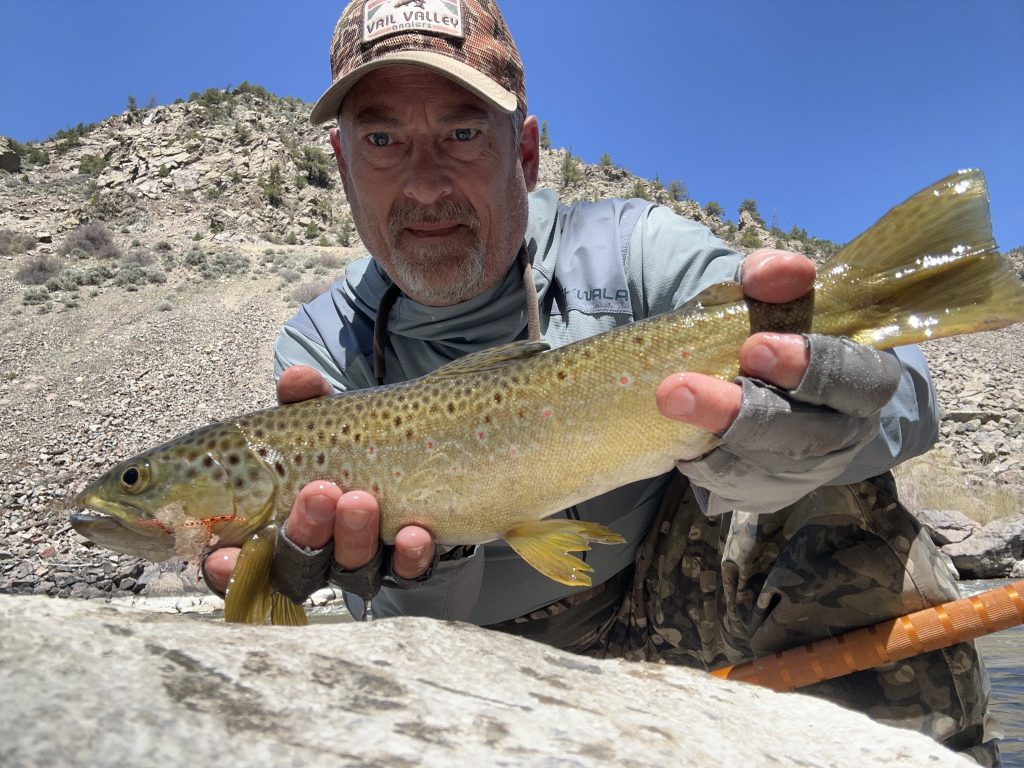
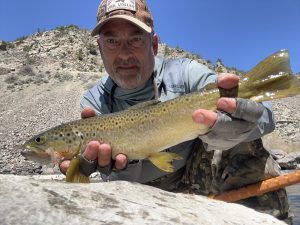
Michael Salomone/Courtesy photo
Fly fishers fantasize about epic encounters with unimaginable hatches on famous waters. The most notable events fill books, adorn magazine covers and fuel dreams. With the Colorado River’s low water flows, salmonflies have already jumped the calendar and are hovering around cliffed-out walls. This is a hatch to experience for the sheer awe these massive insects impart fluttering across the river or unexpectedly landing on your shoulder. Salmonflies are one of those hatches that every angler needs to fish.
And right now, it’s game on.
The salmonflies are here. The hatch is staggered over a long stretch of water. Areas of high concentration — like foam pockets or back eddies — show the progression. Rocks and driftwood along the riverbank appear clustered with exoskeleton husks left clinging after the insect emerges into an adult. Unlike waterborn caddis and mayflies, salmonflies must exit the river’s security and crawl upon a solid surface before the transformational emergence into an adult insect occurs.
Pteronarcys Californica are the salmonflies inhabiting our local waters. The nymphs gain massive proportions under the security of boulders and have developed along the river bottom for years. The emergence is an annual event. The sheer amount of biomass that transitions from an aquatic insect to a flying land insect stirs the giant trout from their lairs.
The salmonfly hatch is quite possibly the best shot at catching giants that have become enamored feeding on the big bugs and have let their guard down. Fly fishers seeking large trout should exploit this weakness. A trout that is more focused on filling its gullet with the abundance of an easy eating food source is an easier fish to catch. Gluttony is the best term to describe the behavior.

Support Local Journalism
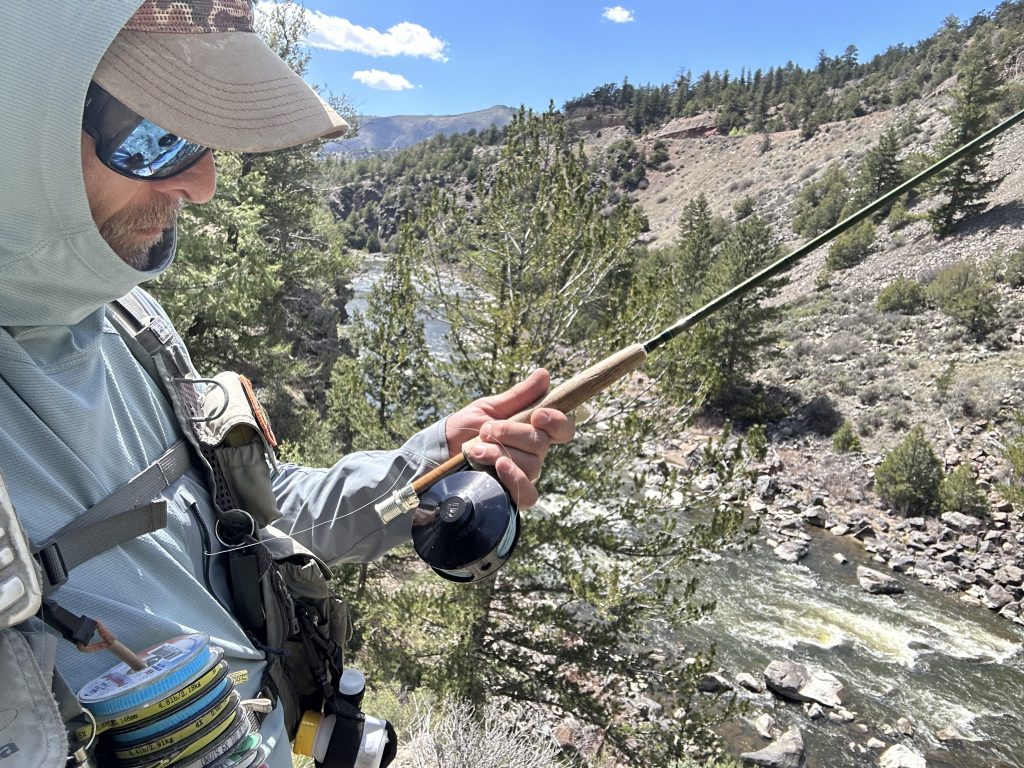
A Vail Valley Anglers guided trip during the salmonfly hatch is a fly-fisher’s treat. I emphasize this for a reason: placement. This is two-fold. First, a good guide is going to put you in the correct place to maximize your chances for a large trout and for high numbers of trout. Second, the fish are in predictable places and in greater numbers. A guide who helps deliver your flies to a fish willing to eat on top makes for some of the best dry-fly fishing action to be found. A knowledgeable guide is going to put you in a position where — even with wings and legs protruding from its throat — the rainbow still eats your dry fly.
Bring out your best rods and reels for the salmonflies. This is a hatch that deserves it. Large trout will test your drag settings, which is especially key for the wading fly fisher. Those in a boat can use their vessel to help battle the fish. You do not need your softest dry-fly rod either. A stout 5-weight or 6-weight with a forgiving tip are two solid rod choices. Versatile rods that can handle the clumsiness weighted nymphs and strike indicators impart are good choices. Fast-action 5-weights that can shoot bushy dry flies with authority will fare well.
When a large trout gets into the current, the weight of the water is an asset to the fish. A reel with substantial drag capability assists the fly fisher in subduing a trophy. Wading fly fishers need to put the cork to them to stop big fish before they reach the fighting security of the main river current. Float fishers want holding power but with more give to prevent pulling a hook. Either way, a high quality reel with premium drag components is a tool fly fishers need to learn to use. Salmonflies will force you to.
Large Kaufmann’s stonefly nymphs in black or brown will entice subsurface action. Pat’s rubberlegs stonefly nymph is the best choice for imitative, strike-inducing movement. Both should be fished along the edges of the river, where the transition from heavy river water slows along the shallow shoulders of the river. The nymphs have migrated to this position in preparation for emerging.
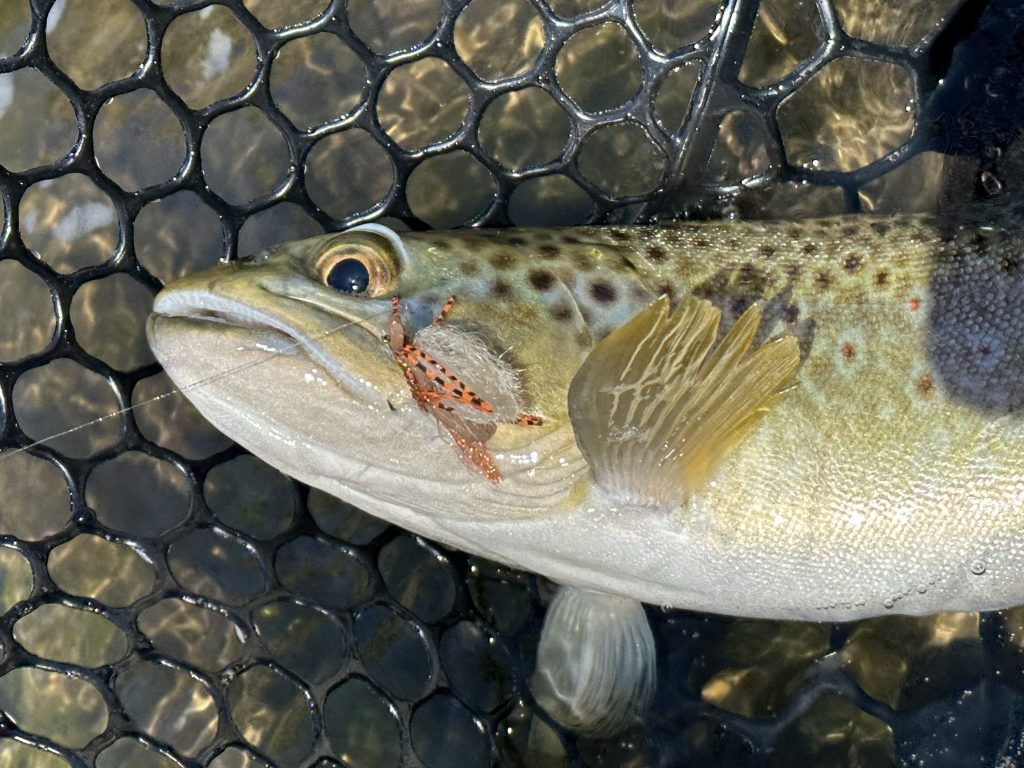
Large-bodied dry flies with fluffy wings and wiggly legs dance on the surface. These too should be presented along the river’s edge. A Chubby Chernobyl tied in salmonfly colors has been the key fly so far. Every year there is always one that stands out.
Grab your rod. Call in sick. It is game on for salmonflies.