Curious Nature: Batteries and hard-to-recycle events in the Eagle Valley
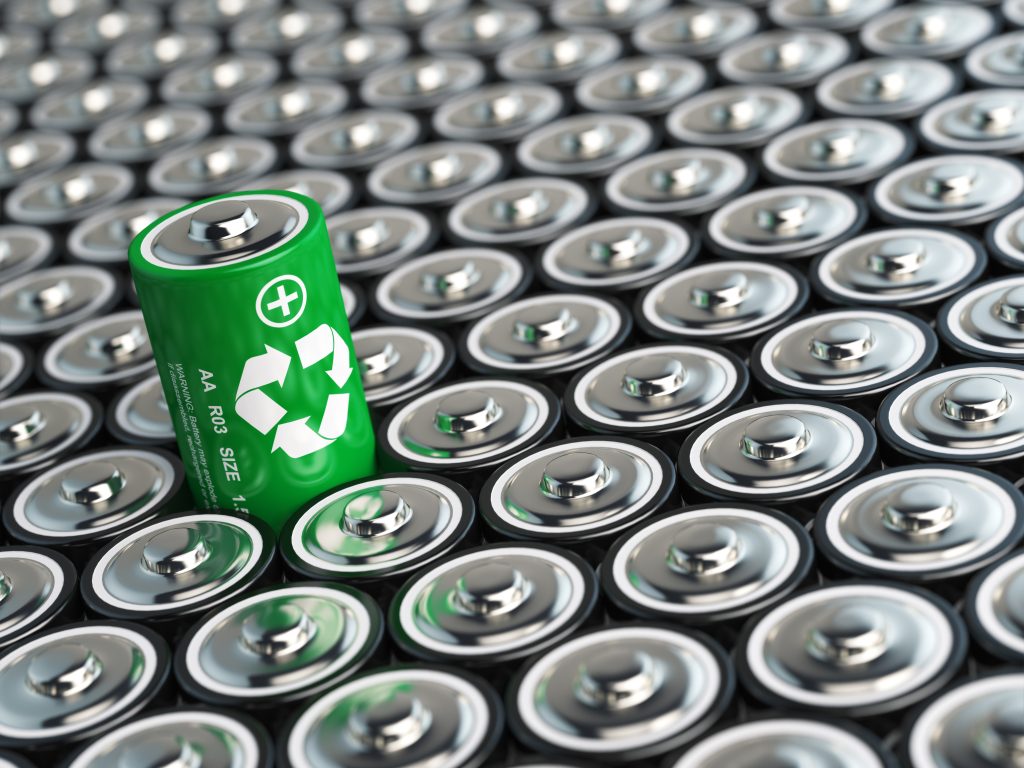
Adobe Stock licensed by Walking Mountains
Everything from phones to flashlights run on batteries; proper battery disposal and switching to rechargeable options are more important than ever. Improperly discarded batteries can start fires, leak toxic chemicals, or waste valuable resources. This article will help you learn about safely recycling used batteries and make smarter choices to reduce waste and protect the environment.
Why Proper Battery Disposal Matters
Many batteries contain harmful or valuable metals such as mercury, lead, cadmium, nickel, and silver. If not disposed of properly, these materials can pose serious risks to human health and the environment (US EPA). Although it is commonly legal to throw away common alkaline batteries like AA, AAA, C, and D, the EPA still recommends recycling them to reduce landfill waste and recover valuable materials. States like California ban all batteries from landfills entirely.
Rechargeable and lithium-based batteries pose even greater risks if mishandled. They are flammable and can spark fires when damaged or discarded improperly. Simply tossing a lithium-ion battery in the trash could result in a fire hazard in your home, the trash trucks, and local waste facilities (US EPA).
Colorado is taking steps to address this growing issue. In 2025, the state passed Senate Bill 25-163, creating a statewide battery stewardship program that will expand recycling access and eventually prohibit many batteries from being thrown in the trash. The law requires battery producers to fund and manage collection systems, with a landfill ban for certain batteries expected by 2030.
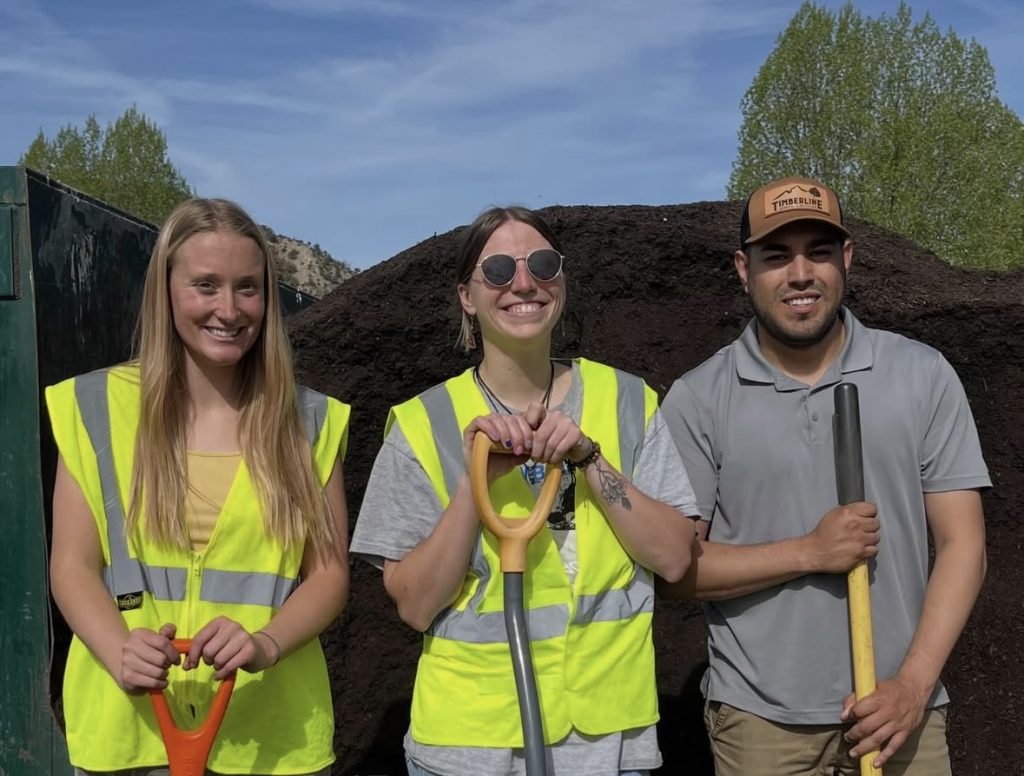
Recycling Batteries in Eagle County
Drop-Off Locations:
Eagle County makes it easy for residents to recycle most types of batteries. Drop-off locations include Home Depot in Avon, Vail Valley Ace Hardware in both Vail and Gypsum, and the Eagle County Household Hazardous Waste Facility (HHW) in Wolcott. Eagle county residents can dispose of residential household waste at no charge up to 20 items.

Support Local Journalism
Hard to Recycle Events:
In addition to year-round drop-off sites, several communities are hosting spring Hard-to-Recycle events providing an easy way to safely dispose of batteries and other difficult materials. These seasonal collection days are designed for convenience: drive up, drop off, and know your materials will be handled properly. Many events accept additional hard-to-dispose-of items like electronics, motor oil, tires, paint, and small appliances, making them a great opportunity for a one-stop cleanup.
Before you go, check accepted materials for each event as they vary by location.
Town of Vail: Friday, May 8th from 10am-3pm at Ford Park
Town of Eagle: Saturday, May 16th from 8am-12pm at Brush Creek Park Pavilion
Town of Avon: Saturday, May 16th from 11am-2pm at Sun & Ski Sports Parking Lot
Town of Minturn: Saturday, June 13 from 7am-12pm at Little Upper Beach Park
Residents can also use Walking Mountain’s Waste Wizard tool to find recycling guidance instantly. By typing in “batteries” or any other item, users can see accepted materials, nearby drop-off locations, and upcoming hard to recycle events. It’s a simple and local solution to ensure waste is handled correctly.
Different Battery Types and How to Handle Them
Understanding the different types of batteries helps ensure they’re disposed of safely and responsibly.
Alkaline batteries (single-use)
Common in flashlights, clocks, and remotes (AA, AAA, C, D, 9-volt). These are technically allowed in the trash in most areas, but recycling is encouraged. Tape the terminals on 9-volt batteries to prevent sparks. They can be brought to Home Depot, Ace Hardware, or the HHW to be recycled.
Rechargeable batteries
Used in phones, laptops, and cameras (lithium-ion, NiCd, NiMH). These must be recycled due to fire risk and hazardous materials. Tape terminals or store them individually. They can be brought to Home Depot, Ace Hardware, or the HHW to be recycled.
Button-cell and lithium batteries
Used in watches, hearing aids, and small electronics. These should never go in the trash. Always tape terminals and bring them to the HHW.
High-voltage batteries
Used in power tools and larger devices. These require special handling at the HHW. Call ahead before transporting.
Whether it’s recycling old batteries or switching to rechargeable ones, small actions can prevent fires, reduce pollution, and conserve valuable materials. In a community like the Eagle Valley, those choices go a long way toward protecting the places we live and play.
Elena Ziskind is a Sustainability Intern at Walking Mountains.