From Colorado peaks to the moon: How the Rocky Mountains helped NASA astronauts prepare for the Artemis II mission
Colorado’s mountains offer similar optical illusions, conditions that astronauts may experience on the moon

Chris Dillmann/Vail Daily archive
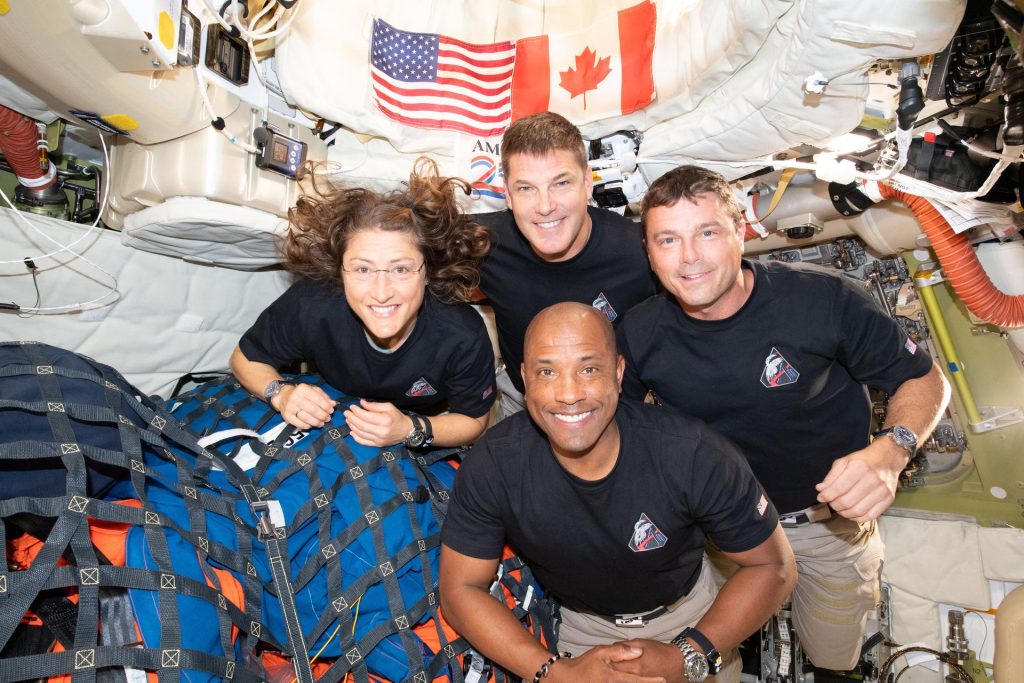
Eight months before Reid Wiseman, Victor Glover and Christina Koch became the first humans in over five decades to travel to the moon, the NASA astronauts were making special preparations for the Artemis II mission in northwest Colorado.
The three American astronauts and Jeremy Hansen, a mission specialist from the Canadian Space Agency, left Earth’s orbit on April 1 aboard the Orion spacecraft.
Their 10-day flight around the moon ushers in a new era of lunar discovery under NASA’s Artemis program, which aims to reestablish frequent human travel to the moon and future missions to Mars.
Artemis II was the first human-crewed flight in the program, taking place 56 years after the space agency’s prior lunar program, Apollo, had its last flight. The mission’s primary goal is to test the new Orion spacecraft and its life-support, launch, navigation and ground systems in deep space — setting a foundation for future Artemis flights.
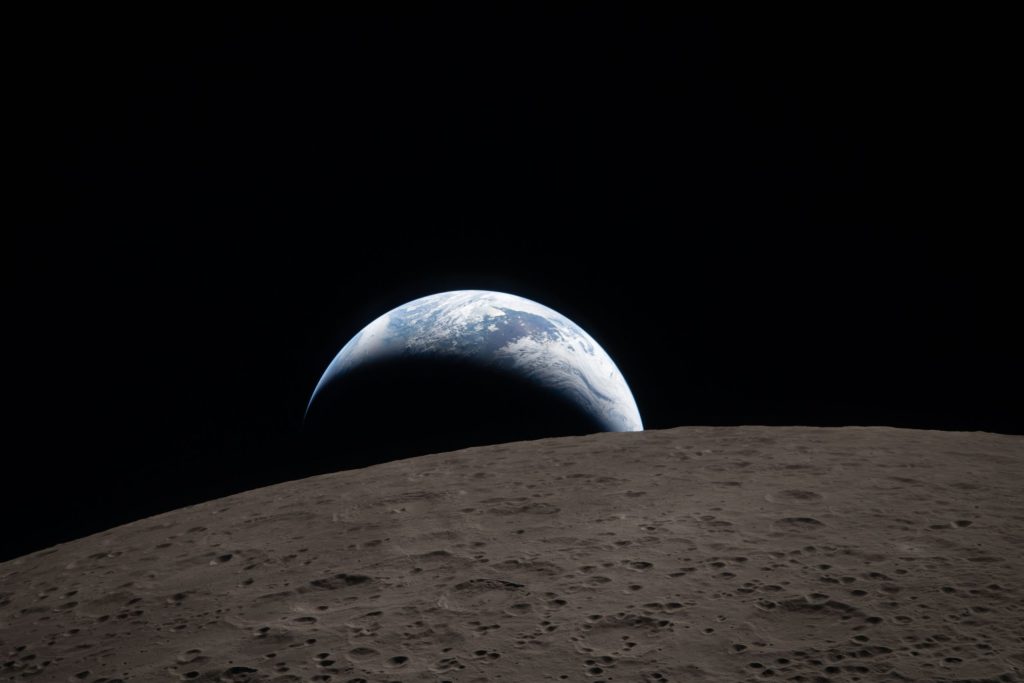
The mission has set several records and hit a few milestones while in flight, including venturing further from Earth than any other humans — breaking a record set in 1970 by Apollo 13 — becoming the first humans to view parts of the moon’s far side, carrying the first woman and person of color to the moon and capturing a full lunar eclipse.

Support Local Journalism
Artemis II is expected to touch back down Friday evening off the coast of San Diego.
As NASA embarks on this new era of space travel and exploration, it has also created new training protocols to prepare the astronauts for moon approaches and landings. In Colorado, the agency found the perfect testing ground.
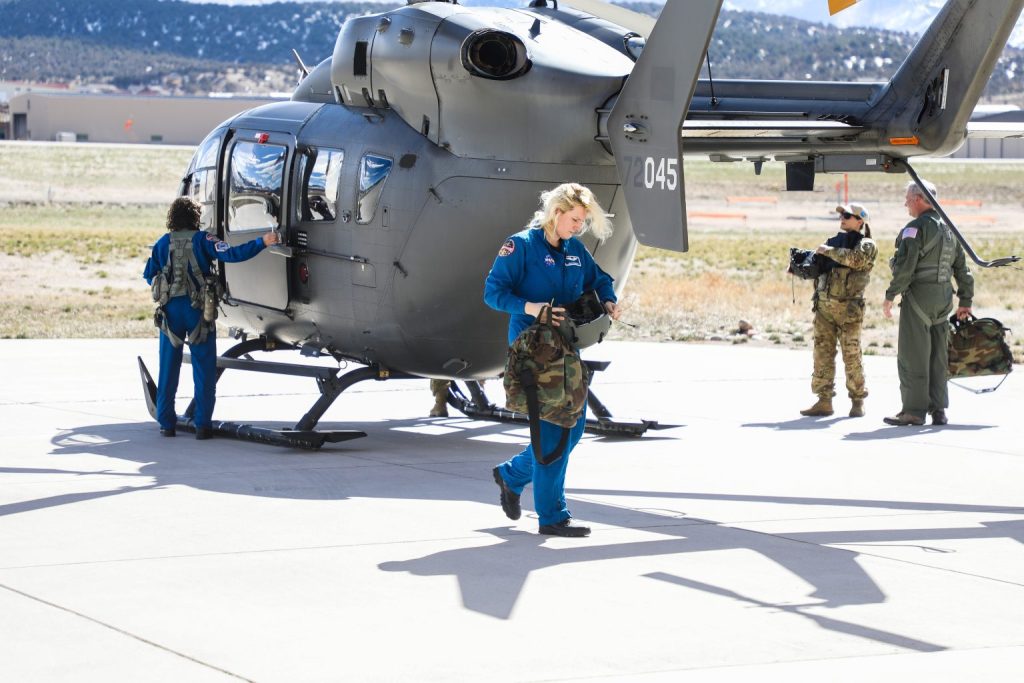
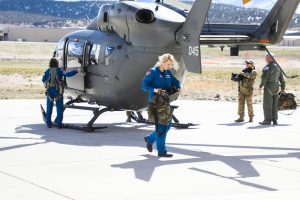
NASA began partnering with the Colorado National Guard in 2021 to develop a training course for the Artemis space program out of the High-Altitude Army National Guard Aviation Training Site, or HAATs, in Gypsum. The three American Artemis II astronauts participated in the course in August.
The training is primarily used to help train the astronauts on the human landing system, provided by SpaceX and Blue Origin, that will be used for the Artemis missions. It gives the astronauts a real-world environment to practice flight skills, in addition to ground and simulation training they do in Ohio and Texas.
What matters in your community, delivered daily.
Sign up for our morning newsletter at VailDaily.com/newsletter
Owing to the thin air and varied landscapes, the mountains and surrounding area around Gypsum offer visual illusions and flight conditions similar to those on the moon, making the region a perfect place for astronauts to practice lunar landing and flight procedures using helicopters.
Doug Wheelock, the NASA astronaut who helped develop the Gypsum program, said in a blog post that the training used “a three-pronged approach with motion-based simulation, in-flight lunar landing analog training and in-flight lunar simulation to build out its foundational training for Artemis moon landings.”
Artemis III is expected to be the first mission to land on the moon’s surface.
“Helicopters at or above 10,000 feet are not really efficient in the thin air, forcing us into operating with very thin power margins similar to the Apollo astronauts having to manage energy and momentum to land safely,” Wheelock said in the post. “The operations along with the terrain at the HAATS course in Colorado’s Rocky Mountains provide a valuable, real-world opportunity for Artemis astronauts to practice flying and landing in conditions similar to maneuvering a lander in the lunar environment.”
While landing on the moon is challenged by deep craters and harsh lighting, Colorado’s northwest mountains offer similar visual sightings with topography, tree and cloud cover and geology.
The course is also used year-round by NASA and offers seasonal conditions that mimic lunar landings. When landing on the moon, the spacecraft could kick up lunar dust and make it difficult to see the surface. In Colorado, dusty or snowy conditions can cause similar visual obstructions.
”Dust will interact with the lander thrusters on the Moon,” said NASA astronaut Mark Vande Hei in a blog post. “During our flight training, we have had to revert to our instruments – just like we would on the Moon – because astronauts may lose all their visual cues when they’re near the surface.”
In addition to creating a lunar-like environment for the astronauts to train, Colorado — the state with the second-largest aerospace economy in the U.S. — was also responsible for multiple elements of the mission. Over 200 Colorado companies contributed to Artemis II, including Jefferson County-based Lockheed Martin, which designed and engineered the Orion spacecraft, and the Centennial-based United Launch Alliance, which built a segment of the launch rocket with Boeing.
NASA is providing regular updates on the Artemis II flight, including a live-stream. Visit NASA.Gov/TrackArtemis to track the spacecraft and NASA.Gov/Live to watch the crew return to Earth on Friday, April 10.



Rails to Vail? Competing visions collide in debate over Colorado passenger rail revival
Colorado passenger rail advocacy groups are on very different sides of the tracks when it comes reviving passenger rail service through Eagle County, even as the rest of the state’s rail community was extremely focused on big news from the Front Range on Monday.