Anticipated rain for Colorado’s mountains has forecasters starting to say ‘the monsoon is here’
The drought-stricken mountains could use the rain, but the monsoon also brings the risk of lightning and wind

Ryan Spencer/The Aspen Times
The North American monsoon season is ramping up across the West, with the potential to bring much-needed rain as Colorado faces a historic drought and major wildfires, according to forecasters.
National Weather Service forecaster Kris Sanders said that widespread, scattered showers and thunderstorms on the Western Slope this week could be an early sign of the monsoon, or a late-summer shift in the wind patterns that brings more moisture to the region.
“I would say the early onset of the monsoon is here,” Sanders said.
Western Slope communities have seen a chance of showers and thunderstorms almost every day this week — and long-term forecasts show the potential for above-average chances of precipitation through September, according to the National Weather Service.
OpenSnow meteorologist Alan Smith noted that the monsoon is being driven by what could be record-strong El Niño conditions. El Niño is a climate pattern characterized by unusually warm ocean surface temperatures in the Pacific Ocean.

Support Local Journalism
“Based on current conditions, historic analogs and seasonal and subseasonal weather models, we are expecting an active monsoon season across the West for the mid-to-late summer,” Smith wrote in a blog post.
A rainy monsoon season could be good news for the drought-stricken mountains. Large parts of Summit, Grand, Eagle, Pitkin, Moffat, Rio Blanco, Garfield and Lake counties have been experiencing exceptional drought — the highest level — for nearly three months straight, according to the U.S. Drought Monitor. Almost the entire Western Slope is experiencing severe drought, Level 2 of 4, or higher.
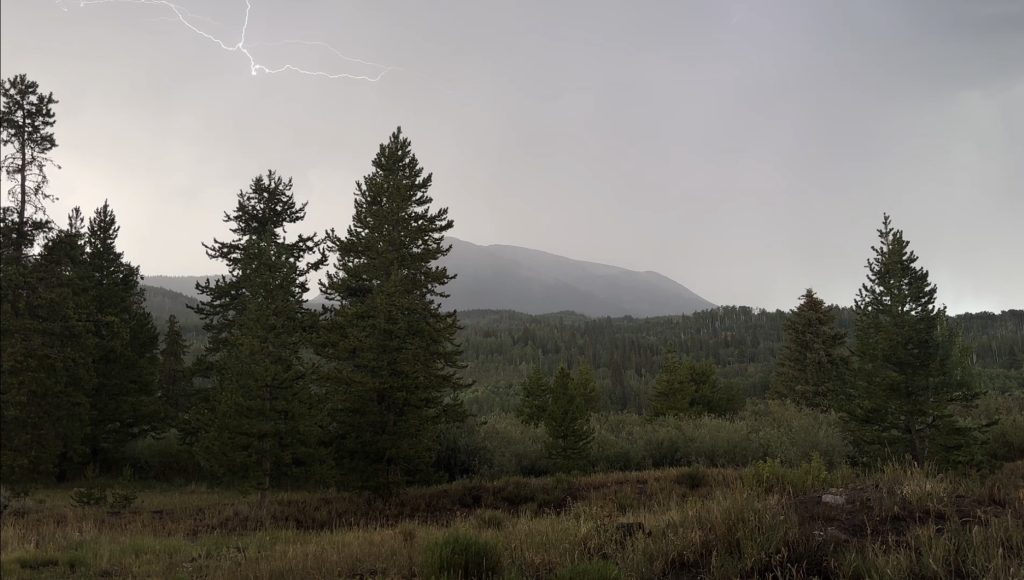
But Smith also noted that the monsoon can be a double-edged sword that can bring lightning and wind, which can increase wildfire risk. It also creates new hazards for those recreating outdoors.
“Regardless of whether or not this turns out to be a ‘big’ monsoon season for some areas, even just a short-term monsoon surge can lead to an increased risk of lightning when hiking in the mountains or flash flooding in the canyons, or even additional wildfire risk on the outer fringes of the monsoon,” he said.