‘Still awesome’: Drought will blunt and shorten Colorado’s wildflower season, but experts say there’ll be plenty of color
Experts say that wildflowers are blooming about 2 weeks earlier than usual in the Rocky Mountains

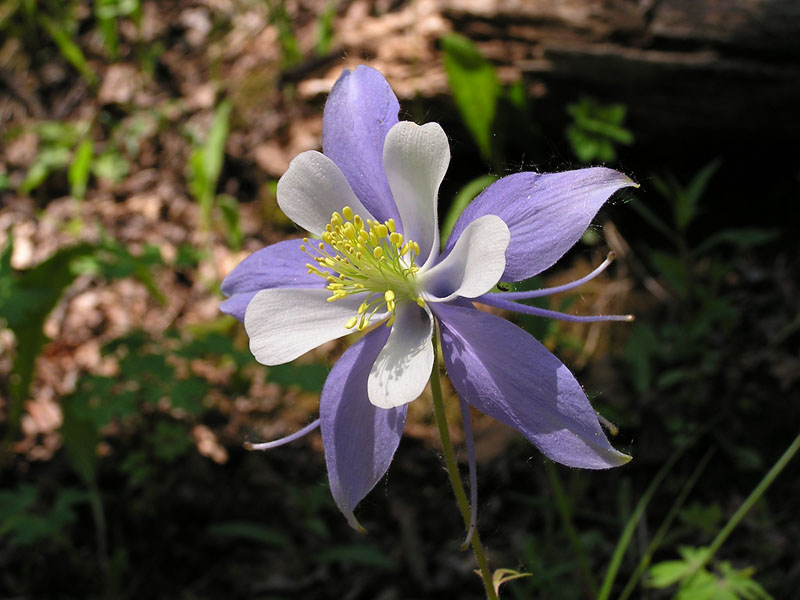
U.S. Forest Service/Courtesy photo
Widespread drought is blunting — but won’t completely obliterate — the wildflower bloom in Colorado’s Rocky Mountains this summer, according to experts.
U.S. Forest Service Rocky Mountain Regional Botanist Tyler Johnson said the timing and vibrancy of the wildflower bloom are closely linked to the snowmelt, which is the main source of water in the mountains. So, after Colorado experienced the worst snowpack on record this past winter, floral season will be impacted.
“There will still be plenty of wildflower viewing opportunities this year,” Johnson said, “but the season will be shorter, patchier and the landscape may appear less vibrant as a whole.”
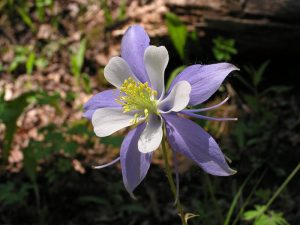
Colorado’s wildflower season typically begins lower in the foothills, before moving up into the mountains as the snow melts, Eagle County Horticulture and Natural Resource Specialist Sarah McCracken said. The bloom often peaks in late July or early August with mountain meadows above 9,500 feet exploding with the colors of blue columbine, indian paintbrush and alpine sunflowers.
While McCracken has already seen some wildflowers blooming so far this summer, she said she expects that the bloom will be muted, with less of a peak and wildflowers opening their petals one to two weeks earlier than normal.

Support Local Journalism
“Wildflowers are very adaptable, and they can survive periods of drought, even extreme drought, like we’re experiencing right now,” McCracken said. “In the Eagle River Valley, they’re going to make it. They’re going to make it through to next season. But instead of putting all their effort into being showy and beautiful and smelling good for pollinators, they’re going to have more of their effort into what is taking place under the soil.”
Aspen Center for Environmental Studies Vice President of Programs Jim Kravitz has been training the non-profit’s new naturalists to identify wildflowers and other plants in the Roaring Fork Valley every summer since 1996. While Kravitz said he has never seen a snowpack as bad as this past winter, he said there will still be beautiful wildflowers to view this summer, especially for those who know where — and when — to look.
“I think first timers are still going to be blown away,” he said. “Whether you see it at 95% of awesome, or 78% of awesome — it’s still awesome.”
Over his decades in the mountains, Kravitz said he has paid close attention to the phenology, or the timing of seasonal events, in wildflowers. He said the melting of the snow and temperatures are typically the two things that affect the timing of the annual bloom the most.
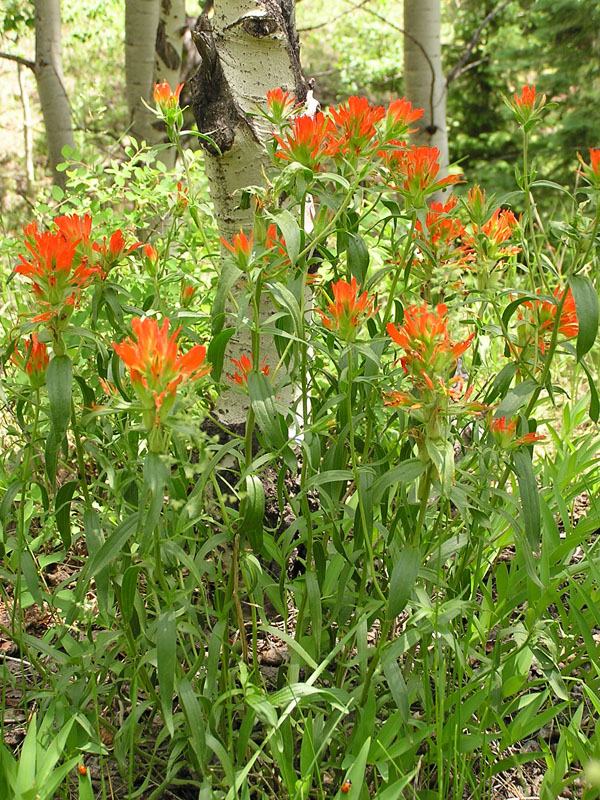
When plants sense that the snowpack is dissipating and temperatures are warming up, Kravitz said they’ll begin to kick into gear in order to capitalize on the growing season. With the thin snowpack this winter and a record-breaking heatwave that brought summer temperatures in March, he said many flowering plants started their growing season early — but that’s not always a good thing.
“Plants are hedging their bets, and if there’s a potential for an early go, they get going early, and there’s some risks involved,” Kravit said. “A lot of the risks involved with going early are that you can still get frost. Just because it was nice in March, doesn’t mean it can’t get very cold in April and May. So if you’re sending out flowers early, you can get caught.”
Wildflowers that started early this year could have been caught off guard by a return to more seasonal conditions, including snowfall, in April and May that potentially stressed the plants and could result in them putting off fewer flowers, Kravit said. Since the snowpack is already nearly gone in places, he said that the best places to find wildflowers blooming will likely be areas that receive plentiful rainfall.
“What I think will characterize this summer is we’re not gauging what happens on the melting of the snowpack anymore,” Kravitz said. “We’re not going to have this big timing related to the melting of the snowpack. Everything that is going to happen this summer is going to be dependent on rains, and when they come, plants will take advantage of that.”
McCracken suggested starting out the summer by looking in mountain valleys and along streams and rivers for wildflowers, like Rocky Mountain iris and elephant head. As the summer progresses, she said the wildflower bloom will move higher up in the peaks. So, Alpine meadows that typically bloom in early August could begin blooming earlier in July this year.
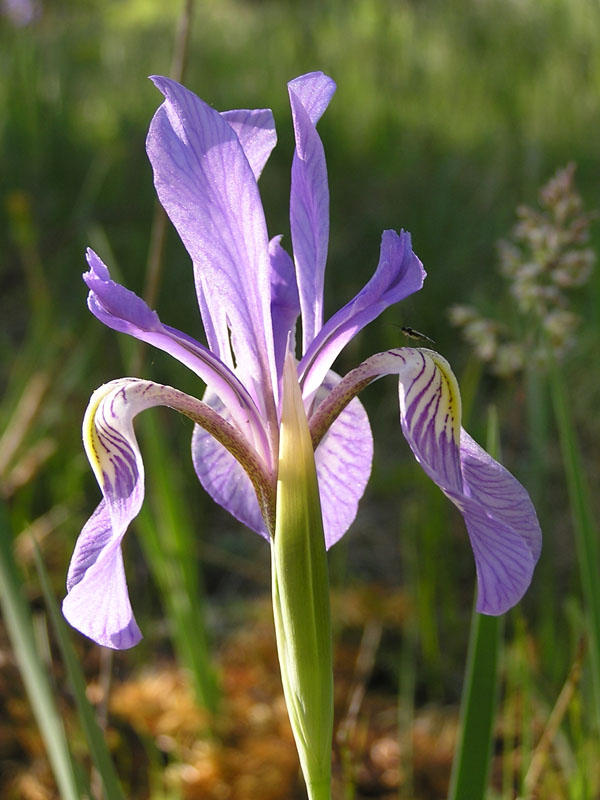
One of the best places to spot wildflowers is in montane meadows, or the open spaces between dense forests located at about 6,000 to 8,000 feet, Johnson said. He said that runs at ski resorts can be a good place to easily find wildflowers.
Anyone who is viewing wildflowers should not pick the flowers and should be careful not to step on them, since that can damage the plant — especially those in Colorado’s sensitive high Alpine environments above 9,500 feet, McCracken said. She noted that it is also best to keep dogs on leash, not only because dogs can also trample flowers, but because of wildlife like marmots and moose.
“Protect these ecosystems. They’re very special — not just for human enjoyment, but also to support life systems and cycles of other animals,” McCracken said. “We all need these places to stay healthy and intact, not just for humans and our next generation, but generations of animals too that depend on wildflowers and plants for food sources.”