Opinion | Wilderness areas can use your help
Sam Sheppard/Wilderness Workshop
Would you reply to this help-wanted ad?
“Wilderness enthusiasts needed to help maintain, preserve, and protect the Wilderness Areas in Eagle and Summit counties. Pay is nonexistent, job satisfaction high, hours completely flexible, working environment spectacular, and coworkers are cool people who share your love of Wilderness.”
I did, and have no regrets!
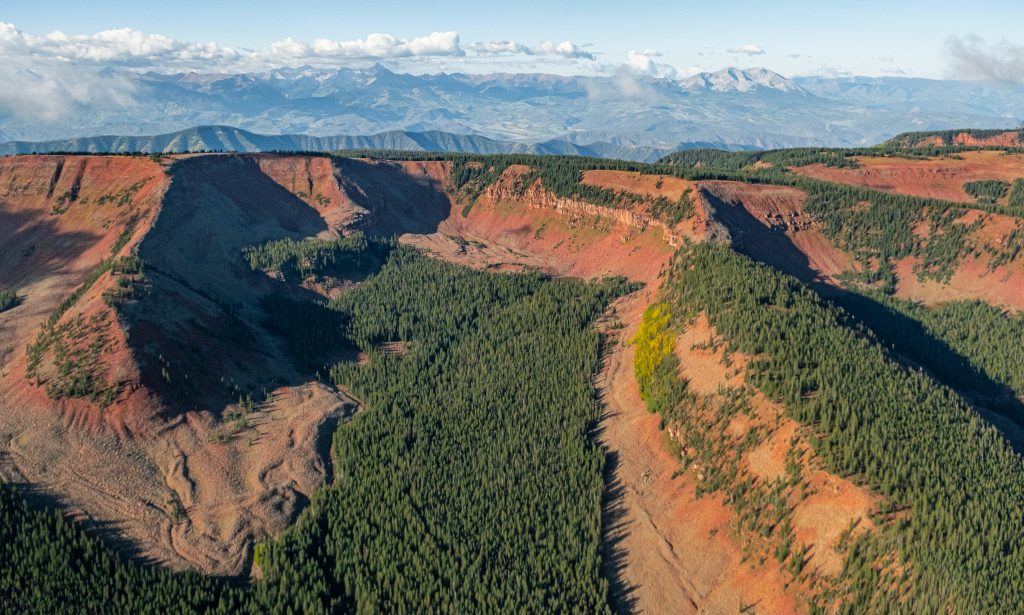
My “boss” is the Eagle Summit Wilderness Alliance, a local, all-volunteer nonprofit that helps the U.S. Forest Service look after the Eagles Nest, Holy Cross, Ptarmigan Peak and Flat Tops Wilderness — some of the most beautiful spaces in our country. If you’re like me, these lovely oases from modern civilization are a primary reason you live here.
But now, more than ever, after severe cuts to Forest Service staffing, not to mention the driest winter on record, our local Wilderness Areas could use a little human help.

Support Local Journalism
Trails don’t repair themselves from overuse or water damage. Trees that fall across trails don’t remove themselves. Trash doesn’t magically disappear, nor (sorry) is the Poop Fairy real.
Further, many trail users don’t know what a congressionally designated Wilderness Area is, let alone what special rules are in place to help protect these fragile places.
Perhaps in an ideal world the Forest Service would “take care” of all this. Even after recent staff cuts of upwards of 29%, our Forest Service employees are striving to do their best. But in Eagle and Summit counties alone, there are over 250,000 acres of official Wilderness Areas. Our White River National Forest — by the way, the most-visited forest in the country — has 2,500 miles of trails. The Forest Service can’t do the job alone.
That’s where ESWA volunteers come in. ESWA’s volunteer wilderness rangers hike our Wilderness trails, or serve as trailhead hosts at popular Wilderness trailheads. We help educate and assist visitors, conduct trail maintenance, clear fallen trees blocking trails and rehab illegal campsites. And several times each summer we backpack with our llama buddies deep into the Wilderness to conduct sustainability work.
Last year, we hiked over 3,000 miles and met with over 12,000 Wilderness users — and held hundreds of fire-safety conversations (more to come this year).
This year’s volunteer training is June 6 in Silverthorne. Here’s the link to sign up and get more info. Volunteering only requires a minimum of four outings a year — you choose your days and Wilderness trails. Deadline for applications is May 20.
If you love our Wilderness Areas, consider giving back! If you’re like me, you’re out there hiking anyway, so why not hike with a purpose. It’s fun, rewarding, and you’ll make some great friends. For more information about ESWA and our programs, visit https://www.wild4eswa.org. You’ll be glad you did — and so will the Wilderness Areas you love.
Frances Hartogh is the chair of the Eagle Summit Wilderness Alliance.